
Research points out: For those who take baths frequently in winter, if they don't want to end up in the hospital, five points should be noted!
Research points out: For those who take baths frequently in winter, if they don't want to end up in the hospital, five points should be noted!

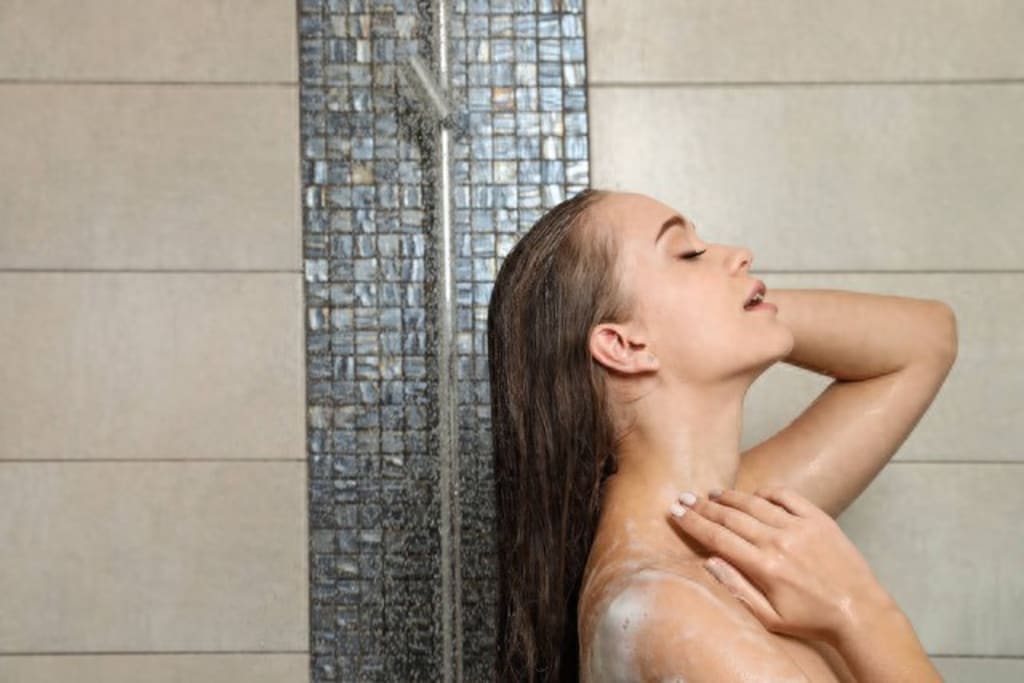
In the cold winter, taking a hot bath can make people feel warm, comfortable, and relaxed. However, doctors remind everyone that for those who take baths frequently in winter, if they don't want to enter the hospital prematurely, there are five key points to note.
Many people like to set the water temperature very high when taking a bath in winter, thinking that only in this way can it be warm enough. But in fact, excessively high water temperature can cause damage to the skin. There is a natural oil protective layer on the surface of the skin. Overly hot water will destroy this layer of oil, making the skin dry and itchy. If this continues for a long time, it may also trigger skin inflammation. The appropriate water temperature is generally between 37°C and 40°C. This temperature can not only clean the skin but also not overly damage the skin's barrier function. Moreover, excessively high water temperature will also cause the blood vessels all over the body to dilate. For some people with cardiovascular diseases, it may lead to fluctuations in blood pressure, accelerated heartbeat, increase the burden on the heart, and even trigger cardiovascular and cerebrovascular accidents. Therefore, when adjusting the water temperature, one must be cautious and avoid ignoring health risks just for the sake of temporary warmth.
In winter, time always seems to pass quickly when taking a bath, and one may accidentally take a long bath. But taking a long bath will make the skin stay in a wet state for a long time, further weakening the skin's barrier function and making it easier for bacteria and fungi to invade the skin and cause skin infections. At the same time, the bathroom space is relatively closed. The steam generated by hot water will reduce the oxygen content in the room. Staying inside for a long time may cause hypoxia, making people feel dizzy, fatigued, and panicked. Generally speaking, the bathing time in winter should be controlled within 15 to 20 minutes. This can not only ensure that the body is clean but also not have adverse effects on the body. If you feel unwell during the bathing process, you should immediately stop bathing and rest in a well-ventilated place.
Some people think that bathing should be done thoroughly clean, so they use a large amount of cleansing products such as body wash and soap and rub the skin repeatedly. But doing so will excessively remove the oil and beneficial bacteria on the skin surface, 破坏 the skin's microecological balance, and lead to dry and sensitive skin. Especially for some cleansing products with strong decontamination functions, they should be used with caution. In winter, the skin is already relatively dry. It is recommended to choose mild and moisturizing bathing products and not use them frequently. Use them 2 to 3 times a week. For some wrinkled parts of the body, such as the armpits and groin, after cleaning, you can apply some moisturizing lotion appropriately to maintain the moisture of the skin and prevent skin cracking.
When taking a bath, the bathroom will be filled with a large amount of steam. If the ventilation is poor, this steam will accumulate indoors and increase the air humidity, providing favorable conditions for the growth of mold. Staying in such an environment for a long time will not only affect the hygiene of the bathroom but may also trigger respiratory diseases such as coughing, wheezing, and allergies. Therefore, before and after taking a bath, it is necessary to ensure good ventilation in the bathroom. You can turn on the exhaust fan or open the window to let fresh air enter the room and expel the humid air. In addition, after taking a bath, dry the water stains on the ground and walls in time to keep the bathroom dry and tidy and reduce the possibility of mold growth.
During the bathing process, the body will lose a large amount of water through the skin. Especially in winter, the indoor air is dry, and the water loss is more obvious. If you don't replenish water in time after taking a bath, it will lead to water shortage in the body, with symptoms such as dry mouth, dry skin, and yellow urine. In severe cases, it may also affect blood circulation and metabolism. Therefore, after taking a bath, you should drink a cup of warm water as soon as possible to replenish the lost water in the body and promote the normal progress of metabolism. In addition, in daily life, you should also pay attention to drinking more water to maintain the balance of water in the body. Especially in winter, you should develop a good habit of drinking water regularly to maintain the normal physiological functions of the body.
Although taking baths frequently in winter can keep people clean and comfortable, if the above five points are not noted, it may bring hidden dangers to health. Only by following the correct methods and precautions during the bathing process can we ensure good health while enjoying warmth and avoid unnecessary disease troubles. Let us welcome every beautiful winter day with a healthy body.
About the Creator
L-doctor
Share medical science knowledge from time to time
Day 4 of Quitting
If this is how sobriety feels, maybe it’s better to go through life a little buzzed… this, along with other hits like, I want to kill myself, I wish I was dead, and I’m going to throw myself off a bridge have been the only thoughts on rotation these past few days. I promise myself that if, in a month, I still feel like this (‘this’ meaning despondent, full of rage, and simultaneously numb) I can go back to smoking. Until mid-February though? Nicotine is off the table.
By sleepy drafts20 days ago in Longevity
Enhance Balance and Functional Movement at Home: Foot and Neuromuscular Exercises
Introduction Foot strength and neuromuscular control are essential for maintaining balance, confidence, and safety during everyday life. A weak foot can lead to instability, poor posture, and an increased risk of injury—especially for older adults or people recovering from a sports injury.
By AhmedFitLife4 days ago in Longevity



Comments
There are no comments for this story
Be the first to respond and start the conversation.