
Is Low Testosterone Holding You Back?
Is Low Testosterone Slowing You Down?


Testosterone is often referred to as the "male hormone," playing a vital role in energy levels, muscle growth, mood regulation, and overall well-being. However, millions of men worldwide experience low testosterone (low T) without even realizing it. If you've been feeling more fatigued than usual, struggling with motivation, or noticing changes in muscle mass, low T might be the hidden culprit.
Signs of Low Testosterone You Shouldn’t Ignore
Low testosterone can manifest in various ways, affecting both physical and mental health. Some of the most common symptoms include:
- Fatigue and Low Energy: Constant tiredness even after a full night’s sleep.
- Reduced Libido and Erectile Dysfunction: Decreased sex drive and difficulty maintaining erections.
- Mood Swings and Depression: Feeling irritable, anxious, or experiencing prolonged sadness.
- Loss of Muscle Mass and Increased Body Fat: Difficulty maintaining strength and an increase in belly fat.
- Brain Fog and Difficulty Concentrating: Struggling with focus and memory retention.
If you’re experiencing several of these symptoms, it may be time to assess your testosterone levels.
What Causes Low Testosterone?
Testosterone levels naturally decline with age, but various factors can contribute to an earlier or more significant drop, including:
- Chronic Stress: Elevated cortisol levels interfere with testosterone production.
- Poor Diet: Diets high in processed foods and sugar can negatively impact hormone balance.
- Lack of Exercise: A sedentary lifestyle can lead to lower testosterone levels.
- Sleep Deprivation: Insufficient sleep disrupts hormone regulation.
- Medical Conditions: Diabetes, obesity, and hormonal disorders can also play a role.
Natural Ways to Boost Testosterone Levels
The good news is that lifestyle changes can significantly impact testosterone production. Here are some of the most effective natural methods:
1. Prioritize Quality Sleep
Aim for 7-9 hours of uninterrupted sleep per night. Sleep is crucial for testosterone production, with most hormone synthesis occurring during deep sleep.
2. Exercise Regularly
Strength training and high-intensity interval training (HIIT) are particularly effective in increasing testosterone. Focus on compound exercises like squats, deadlifts, and bench presses.
3. Improve Your Diet
Incorporate foods rich in healthy fats (avocados, nuts, olive oil), lean proteins, and micronutrients like zinc and vitamin D (found in eggs, fish, and leafy greens). Avoid excessive sugar and processed foods. A avoid too fatty and spicy food is important.
4. Manage Stress
Chronic stress leads to elevated cortisol, which suppresses testosterone production. Practices like meditation, deep breathing, and spending time in nature can help reduce stress levels.
5. Maintain a Healthy Weight
Excess body fat, particularly around the abdomen, is linked to lower testosterone levels. A balanced diet and regular exercise can aid in maintaining a healthy body composition.
6. Consider Herbal Supplements
Certain herbs, such as ashwagandha, fenugreek, and tongkat ali, have been studied for their testosterone-boosting properties. Always consult a healthcare professional before adding supplements to your routine.
When to See a Doctor
If natural methods don’t seem to help, or if your symptoms are severe, consider getting your testosterone levels checked. A simple blood test can provide insights into whether medical intervention, such as testosterone replacement therapy (TRT), might be necessary.
Final Thoughts
Low testosterone can impact many aspects of a man’s life, but the good news is that it’s manageable. By making mindful lifestyle changes—prioritizing sleep, eating a nutrient-rich diet, exercising, and managing stress—you can naturally optimize your testosterone levels and reclaim your vitality.
If you found this article helpful, share it with others who might benefit from these insights. Let’s take charge of our health, one step at a time!
About the Creator
Men's Health
Sharing valuable insights on men's health—covering everything from wellness tips to common health concerns. Stay informed and take control of your well-being!
Keep reading
More stories from Men's Health and writers in Longevity and other communities.
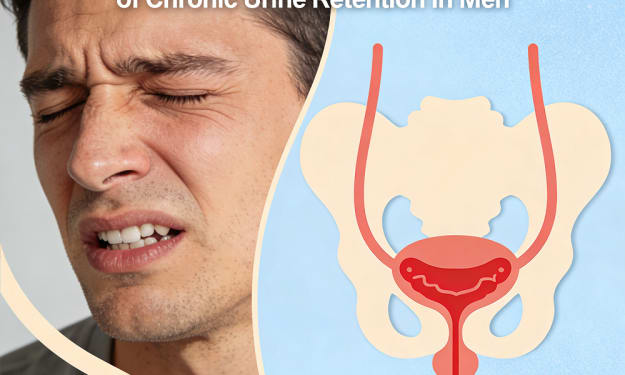
When Holding It Hurts: The Hidden Health Costs of Chronic Urine Retention in Men
We’ve all done it. You’re in a meeting, driving home, or lying awake at night, and you decide you can wait. You silence the urge and carry on. It feels like a minor act of self-control, even discipline. But for many men, turning a quick delay into a regular habit is where trouble begins. Chronic urine retention—holding your pee for long periods—doesn’t just cause discomfort; it gradually strains the system designed to store and release urine, inviting a mix of inflammatory and infectious problems that ripple through the urinary and reproductive organs.
By Men's Healthabout a month ago in Longevity
Day 4 of Quitting
If this is how sobriety feels, maybe it’s better to go through life a little buzzed… this, along with other hits like, I want to kill myself, I wish I was dead, and I’m going to throw myself off a bridge have been the only thoughts on rotation these past few days. I promise myself that if, in a month, I still feel like this (‘this’ meaning despondent, full of rage, and simultaneously numb) I can go back to smoking. Until mid-February though? Nicotine is off the table.
By sleepy drafts13 days ago in Longevity
Hoodia: Once a Miracle Now a Mirage
A Miracle from the Desert? The Kalahari Desert in southern Africa is not the most hospitable place to live in. The vast region is arid and hot throughout most of the year, and the vegetation is sparse. Still, it is here where a particular plant that captured the attention of several dietary companies throughout the world.
By Dean Traylora day ago in Longevity


Comments
There are no comments for this story
Be the first to respond and start the conversation.