
Intermittent Fasting: Benefits, Risks, and How to Begin
Intermittent Fasting: Benefits, Risks, and How to Begin

Intermittent fasting (IF) is a popular method of weight control and overall wellness. But what is intermittent fasting, and how do you begin it safely and successfully? In this in-depth guide, we will discuss the science of IF, its many benefits, possible risks, and easy steps to assist you in beginning your fasting regimen.
What Is Intermittent Fasting?
Intermittent fasting is not a diet but a pattern of eating that alternates between periods of eating and fasting. In contrast to the typical diets that emphasize what you consume, IF emphasizes when you consume it. This time-based method is designed to provide your body with enough time to rest, repair, and burn stored fat more effectively. It's adaptable and can be modified to suit various lifestyles and objectives.
One of the most well-known intermittent fasting methods includes:
- 16/8 Method: Eat within an 8-hour time frame and fast for 16 hours. This method is among the most used due to its ease and feasibility.
- 5:2 Diet: Eat normally on five days of the week and limit calorie consumption (500-600 calories) on two non-consecutive days.
- Eat-Stop-Eat: This method includes fasting for a complete 24 hours, either one or twice weekly.
- Alternate-Day Fasting: Fast every other day by eating nothing or a very few calories.
- Warrior Diet: Fast for 20 hours and have a single large meal within a 4-hour window.
All of these methods have various advantages and disadvantages, and it's important to select one that suits your lifestyle and health requirement.
Benefits of Intermittent Fasting
Intermittent fasting has many health advantages, both scientifically proven and anecdotal. Here are the main benefits in closer detail:
- Weight Loss and Fat Burning: IF automatically decreases calorie consumption and increases metabolism. By restricting the time during which you consume food, your body accesses stored fat for energy, leading to weight loss and fat reduction around the waistline.
- Better Heart Health: Intermittent fasting decreases blood pressure, lowers cholesterol, and reduces inflammation markers, which can decrease the risk of heart disease.
- Better Brain Function: IF maintains brain health by minimizing oxidative stress, inflammation, and blood glucose levels. It also increases the production of brain-derived neurotrophic factor (BDNF), which stimulates the formation of new neurons.
- Improved Blood Sugar Regulation: Intermittent fasting increases insulin sensitivity, which improves blood sugar regulation and reduces the risk of type 2 diabetes.
- Improved Longevity: Animal research indicates that intermittent fasting may prolong lifespan by promoting cellular repair mechanisms and decreasing the risk of age-related diseases.
- Improved Energy Levels: Most people experience increased energy levels and better concentration when practicing intermittent fasting due to more even blood sugar and hormone regulation.
- Simplified Meal Schedule: With fewer meals to prepare and plan, IF streamlines your daily schedule, saving time and energy.
Risks and Side Effects of Intermittent Fasting
Although intermittent fasting has numerous benefits, it is not for everyone. It is important to be mindful of the risks:
- Hunger and Irritability: Hunger, irritability, or fatigue are normal as your body adapts to fasting periods.
- Nutrient Deficiency: Skipping meals can lead to inadequate nutrient intake if you’re not careful about the quality of your food.
- Overeating: Some people may overcompensate by eating large portions or unhealthy foods during their eating windows, negating the benefits.
- Hormonal Imbalance: IF can affect hormone levels, particularly in women. Irregular periods, mood swings, and fatigue can sometimes occur.
- Not for Everyone: Pregnant or lactating women, people with a history of eating disorders, and those with some medical conditions must not use IF or talk to their doctor before they begin.
How to Begin Intermittent Fasting
Beginning intermittent fasting doesn't have to be complicated. Use these steps to smoothly begin your new dieting regimen:
- Select a Fasting Schedule: Newbies find the 16/8 schedule easiest to follow. It's straightforward—miss breakfast, have lunch at noon, and eat dinner by 8 PM.
- Set Realistic Objectives: Determine why you're interested in intermittent fasting—weight loss, improved health, or enhanced concentration—and set realistic objectives.
- Hydrate: Consume plenty of water, herbal tea, or black coffee while fasting to stay hydrated and suppress hunger.
- Emphasize Nutrient-Dense Foods: Within your eating windows, focus on whole, nutrient-dense foods such as lean protein, healthy fats, vegetables, and whole grains.
- Steer Clear of Refined and Sweet Foods: Processed foods and refined carbohydrates are likely to send your blood sugar soaring and keep you hungrier.
- Listen to Your Body: Tune in to your body's signals. Dizziness, overwhelming fatigue, and other alarming signs are reasons to modify your fasting regimen.
- Be Consistent: It takes time for your body to adapt to a new routine. Stick with your chosen method for a few weeks to see the full benefits.
- Combine with Exercise: Pair intermittent fasting with regular physical activity for better weight loss and overall health.
Tips for Success
- Start Slow: If fasting for 16 hours feels too difficult, begin with a 12-hour fast and gradually increase.
- Plan Your Meals: Plan healthy, nutritious meals in advance to keep yourself from giving in to cravings for unhealthy snacks.
- Manage Stress: Excessive stress can trigger cravings and mess with your fasting regimen. Engage in stress management activities such as yoga, meditation, or deep breathing.
- Get Enough Sleep: Proper sleep regulates hunger hormones and energy levels, making fasting simpler.
Final Thoughts
Intermittent fasting is a robust and versatile way to enhance general well-being, increase metabolism, and aid in weight loss. Yet, it's important to do IF responsibly and be aware of both advantages and possible downsides. With the right selection of the fasting protocol, concentration on nutrient-rich foods, and body awareness, you can utilize the full capacity of intermittent fasting.
As with any dramatic change in diet, please see a healthcare provider before you begin, particularly if you have health issues. Ready to give intermittent fasting a shot? Begin with small increments, remain consistent, and observe how your health will change over the long term.
About the Creator
Parveen Baloch
MPhil/Zoology, Freelance writer
Keep reading
More stories from Parveen Baloch and writers in Longevity and other communities.
Digital Detox Challenges: How 24 Hours Off Screens Can Change Your Life
1. Understanding the Need for Digital Detox In a world where screens have taken over our lives, the idea of a digital detox is more imperative than ever before. From non-stop social media scrolling to work emails and streaming services, screen time tends to take up hours of our day, leaving little space for substantial offline interactions. This over-reliance on technology can lead to stress, anxiety, and a lack of real-world connections. Studies have shown that excessive screen time is linked to sleep disturbances, eye strain, and even increased feelings of loneliness and depression. As our digital habits become more ingrained, the need to step back and reassess our relationship with technology grows.
By Parveen Baloch 10 months ago in Longevity
Day 4 of Quitting
If this is how sobriety feels, maybe it’s better to go through life a little buzzed… this, along with other hits like, I want to kill myself, I wish I was dead, and I’m going to throw myself off a bridge have been the only thoughts on rotation these past few days. I promise myself that if, in a month, I still feel like this (‘this’ meaning despondent, full of rage, and simultaneously numb) I can go back to smoking. Until mid-February though? Nicotine is off the table.
By sleepy drafts8 days ago in Longevity
Saudi Arabia Generic Drugs Market Size and Forecast 2025–2033
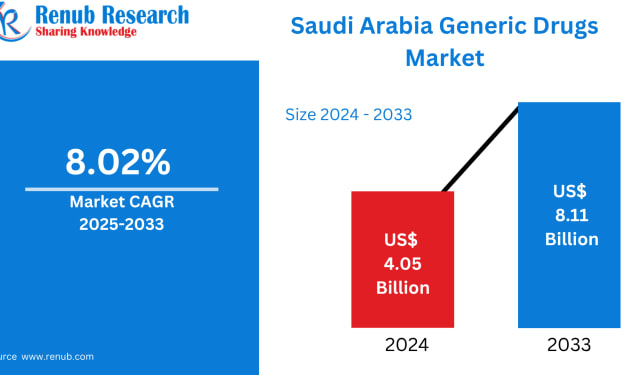
Saudi Arabia Generic Drugs Market Outlook The Saudi Arabia Generic Drugs Market is anticipated to grow to US$ 8.11 billion by 2033 from US$ 4.05 billion in 2024, expanding at a CAGR of 8.02% during 2025–2033. This growth is attributed to rising healthcare needs, proactive government efforts to curb pharmaceutical expenditure, and increasing awareness of cost-effective medication alternatives. Expanding domestic pharmaceutical manufacturing and regulatory support for generics are further strengthening the market’s long-term outlook.
By Marthan Sirabout 8 hours ago in Longevity
Wild Card Weekend Recap: What Happens Now?
I think I figured out why I love Wild Card Weekend so much. It's because it's the first playoff anything of the calendar year. The NFL season starts in the fall, and once upon a time, the champion was crowned either on or slightly before New Year's. The evolution of the NFL schedule has resulted in the playoffs starting just into the New Year, and currently, the final week of the season falls on the first weekend of the New Year, with Wild Card Weekend coming a week after that. So yes, chronologically, the NFL's Wild Card Weekend serves as the first playoff anything of the calendar year.
By Clyde E. Dawkins2 days ago in Unbalanced



Comments (1)
I love Intermittent Fasting! Good to know!