
Digital Detox Challenges: How 24 Hours Off Screens Can Change Your Life
Digital Detox Challenges: How 24 Hours Off Screens Can Change Your Life
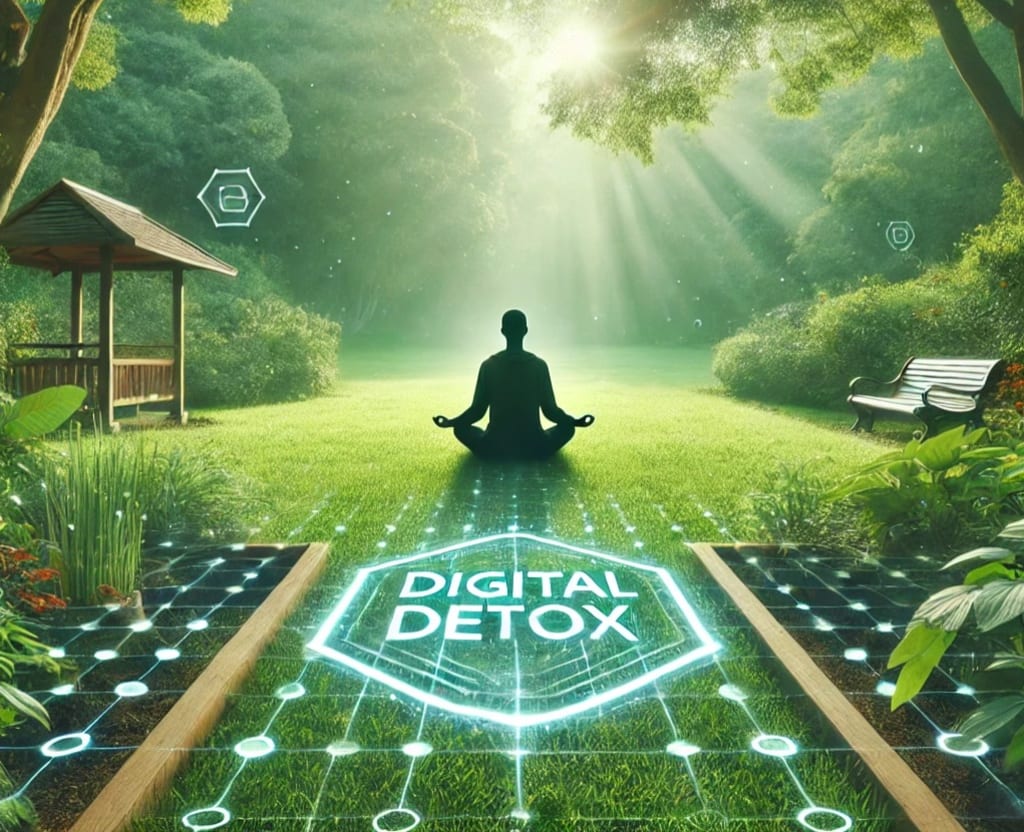
1. Understanding the Need for Digital Detox
In a world where screens have taken over our lives, the idea of a digital detox is more imperative than ever before. From non-stop social media scrolling to work emails and streaming services, screen time tends to take up hours of our day, leaving little space for substantial offline interactions. This over-reliance on technology can lead to stress, anxiety, and a lack of real-world connections. Studies have shown that excessive screen time is linked to sleep disturbances, eye strain, and even increased feelings of loneliness and depression. As our digital habits become more ingrained, the need to step back and reassess our relationship with technology grows.
A 24-hour digital detox is an easy but powerful method of taking back your time, attention, and wellness. By shutting down from screens for a temporary period, you give your mind a chance to reboot and regain focus on the important things in life. The break gives a chance to connect with yourself, your loved ones, and nature again. It also gives you a chance to see how technology affects your feelings and actions. By doing this practice, you learn a lot about your screen behaviors and form healthier, wiser ways of consuming digitally.
2. Getting Ready for Your Digital Detox
Preparation is important to a successful detox. Planning to go screen-free for one day involves strategy to reduce interruption and enhance impact. Begin by letting friends, family, and colleagues know in advance about your screen-free day to set the right expectations and prevent confusion. Explain that you will be inaccessible through digital media and offer backup means of getting in touch in the event of an emergency.
Then, schedule activities that don't involve technology. Consider what you truly love but tend to neglect because of screen time. Reading a paper book, going for a hike, journaling, or practicing arts and crafts such as painting or playing an instrument can make your day full of rewarding, screen-free activity. Time outside can be particularly healthy, providing fresh air, exercise, and a fresh connection to nature.
Make sure that you have tangible materials to help with your detox. Printed maps, notebooks, board games, and physical calendars can substitute for their digital counterparts. If you need your phone for an alarm clock, instead use a conventional one. Keeping these tools nearby helps minimize the temptation to switch back to your devices and stays true to your detox.
Set firm rules for your digital detox. Determine which devices you will abstain from—smartphones, tablets, computers, and TVs—and whether you will also avoid smartwatches and other internet-enabled devices. You may opt to permit some necessary functions, such as taking important calls, but not social media, emails, and entertainment apps.
3. The Challenges You'll Face
Leaving screens behind is not always simple. The initial few hours of a digital detox tend to show us just how deeply technology is ingrained in our existence. You may find yourself feeling FOMO (fear of missing out), irritability, or the automatic need to check your phone. These are normal reactions and reflect how used we've grown to having constant digital stimulation.
One shared difficulty is the sudden freedom of time. Without screens, you might find yourself not knowing what to do with the spaces normally filled by social media, streaming, or browsing online. This can cause frustration or boredom, particularly if you have not thought out alternative things to do.
The second setback is psychological bonding with technology. Notifications and notifications release dopamine chemicals, making this a vicious loop of reward and reinforcement. Conscious effort and being patient can dispel this one. Counteract these hurdles with specific intentions set for your detox. Remember all the good aspects, such as less stress, better concentration, and greater happiness.
Physical symptoms may also occur, e.g., anxiety or restlessness. Use mindfulness exercises such as gentle yoga, meditation, or deep breathing to ground yourself. Writing down thoughts and feelings helps to process what has happened and identify patterns within your online habits.
4. The Transformative Benefits
A day without screens opens the door to numerous positive changes. As your mind adjusts to the absence of digital distractions, you’ll likely notice improved mental clarity and a greater sense of calm. Without the constant influx of information and notifications, your brain can rest and recharge.
One of the most immediate benefits is deeper connections with those around you. Engaging in face-to-face conversations without the interruption of devices fosters more meaningful interactions. You’ll likely find yourself more present and attentive, strengthening your relationships.
Screen-free time also fosters creativity and productivity. Without the distraction of digital content, your mind can freely roam and discover new ideas. Most people find that they have better focus and productivity when working on offline hobbies or projects.
Improved sleep is another frequent result of digital detoxing. Blue light on screens interferes with the release of melatonin, which is a hormone that controls sleep. By not using screens, particularly at night, you assist your own body's natural sleep rhythm and have better nights of sleep.
Physical well-being gains also result from decreased screen time. Less sitting with devices typically means more exercise. Whether taking a walk through the park, riding your bike, or practicing yoga, adding movement to your device-free day improves your overall health.
5. Incorporating Digital Detox into Everyday Life
One-time detoxes are potent, but incorporating screen-free time into your everyday life can enhance the gains. Regularity in these behaviors assists in developing a balanced and thoughtful way of using technology, so that there are sustained benefits to well-being.
Create boundaries for screen time. Create no-screen areas, such as the dining table or bed, to foster device-free relationships and improved sleep hygiene. Set tech-free times, like mornings or nights, to begin and end your day with intention and peace.
Build in offline activities to your daily routine. Schedule hobbies that don't require screens, such as reading, gardening, or cooking. Prioritize seeing friends and loved ones face-to-face, and look into local events or classes that interest you.
Practice mindful technology use by assessing your digital habits. Determine which apps or platforms benefit your life and which cause stress or distraction. Unsubscribe from unwanted notifications and establish app limits to minimize mindless scrolling.
Consider extending your digital detox time beyond 24 hours. Detoxes that take place during weekends or normal screen-free days provide regular possibilities for contemplation and relaxation. The more that you do this, the less difficult it becomes to balance yourself with technology.
Taking a 24-hour break from screens isn't a test—it's a chance to rediscover the world around you and find a more present, serene version of yourself. By committing to digital detoxing as a habit, you make room for mindfulness, creativity, and true connection in a more digital world.
About the Creator
Parveen Baloch
MPhil/Zoology, Freelance writer
Keep reading
More stories from Parveen Baloch and writers in Longevity and other communities.
10 Health Myths You Still Believe — And Why They're Wrong!
Health advice is all around us—on social media, from well-intentioned friends and family. But not all of it is true. Misinformation tends to spread like wildfire, causing many of us to think health "facts" that are actually myths. These myths can be anything from old wives' tales to misinterpretations of scientific research. In this article, we'll debunk some of the most common health myths and provide evidence-based facts to help you make informed decisions about your health.
By Parveen Baloch 11 months ago in Longevity
Day 4 of Quitting
If this is how sobriety feels, maybe it’s better to go through life a little buzzed… this, along with other hits like, I want to kill myself, I wish I was dead, and I’m going to throw myself off a bridge have been the only thoughts on rotation these past few days. I promise myself that if, in a month, I still feel like this (‘this’ meaning despondent, full of rage, and simultaneously numb) I can go back to smoking. Until mid-February though? Nicotine is off the table.
By sleepy drafts9 days ago in Longevity
United States Artificial Intelligence in Diagnostics Market Size and Forecast 2025–2033
United States Artificial Intelligence in Diagnostics Market Overview The United States Artificial Intelligence in Diagnostics Market is undergoing a transformative phase as healthcare systems increasingly adopt intelligent technologies to enhance diagnostic precision and clinical efficiency. According to Renub Research, the market is expected to expand from US$ 424.41 million in 2024 to US$ 1,837.00 million by 2033, growing at a robust CAGR of 17.68% from 2025 to 2033. This rapid growth reflects the rising need for precision medicine, advanced imaging analytics, and AI-driven clinical decision support across hospitals, diagnostic laboratories, and specialty care centers in the U.S.
By Marthan Sir7 days ago in Longevity


Comments
There are no comments for this story
Be the first to respond and start the conversation.