
Hypertension Drugs, Side Effects, and Interactions
Navigating the Complexities of Hypertension Drugs

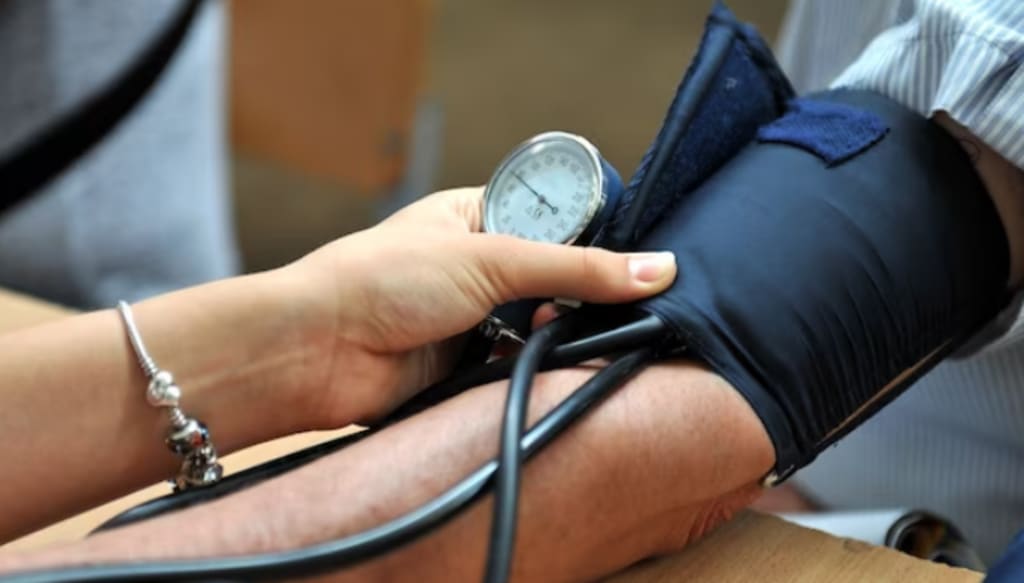
What is Hypertension
Hypertension, or high blood pressure, is a frequent disorder in which blood pressure is too high. Heart disease, stroke, and kidney failure can result. Hypertension has many risk factors, but its specific cause is unknown. They include obesity, smoking, high salt intake, and hypertension in the family.
Lifestyle changes are crucial for hypertension prevention and management. This involves maintaining a healthy weight, eating a low-salt, high-fruit and vegetable diet, and exercising regularly. Smoking cessation and alcohol restriction lower blood pressure.
ACE inhibitors, beta blockers, and diuretics treat hypertension. Nevertheless, different medications may have different side effects and may not be suitable for everyone, so it is vital to consult with a healthcare provider to discover the best treatment plan.
Hypertensives need regular blood pressure checks. Doctors or home blood pressure monitors can perform this.Untreated hypertension can cause many health issues. Lifestyle adjustments and healthcare providers can prevent and control hypertension and reduce the risk of significant health issues.
Symptoms of Hypertension
High blood pressure is a frequent illness with little symptoms. This makes it the "silent killer." Certain signs and symptoms of hypertension may not always be present.
1.Hypertension causes headaches. Dizziness, weariness, and nausea may accompany this dull or severe headache.
2.Hypertension can cause visual abnormalities including blurred vision or spots. Hypertension can damage eye blood vessels, causing vision issues.
3.Hypertension can cause chest discomfort. A dull discomfort or chest tightness may occur.
4.Hypertension can cause breathlessness, especially during exercise. This may indicate heart or lung blood vessel injury.
5.Palpitations can result from hypertension. This may indicate heart damage or heart failure.
Hypertension frequently has no symptoms, but headaches, visual abnormalities, chest pain, shortness of breath, and rapid or irregular heartbeat are common. If these symptoms occur, undergo regular checkups and monitor blood pressure. It's crucial to work with a doctor to manage hypertension and reduce your risk of significant health issues.
Types of Hypertension
High blood pressure, or hypertension, can be dangerous if untreated. Understanding hypertension kinds and causes is crucial to preventing and managing it.
Essential hypertension is first. This hereditary and lifestyle-related hypertension is the most frequent. Obesity, smoking, salt intake, and inactivity can induce essential hypertension.
Secondary hypertension. Kidney illness, sleep apnea, or adrenal gland tumors induce this hypertension. Secondary hypertension is rarer than essential hypertension but more dangerous and may require more rigorous therapy.
Gestational hypertension occurs throughout pregnancy. Medication treats this type of hypertension, which can harm the mother and baby.
Malignant hypertension causes organ damage and excessive blood pressure. Usually triggered by a medical ailment, this hypertension needs immediate treatment.
Isolated systolic hypertension is high systolic pressure with normal diastolic pressure. Arterial hardening causes this type of hypertension, which affects older people. Hypertension has several forms and its causes must be understood. Working with a doctor and implementing lifestyle changes can prevent and control hypertension and reduce the risk of significant health issues.
First Aid of Hypertension
Untreated hypertension, or high blood pressure, can cause several health issues. Nonetheless, various emergency first aid measures can help manage hypertension.
Keep calm and relax to manage hypertension. Tension and anxiety can raise blood pressure, so stay cool.
Second, check blood pressure. If you anticipate a hypertension crisis, take their blood pressure immediately. Hypertension crisis occurs at 180/120 mmHg.
Call 911 if unconsciousness, chest pain, shortness of breath, or severe headaches.
If the person is cognizant and able to swallow, give them an oral medication if they have it. Otherwise, visit a doctor first.
If the person is cognizant and able to swallow, encourage them to drink water or other non-caffeinated fluids and relax with deep breathing or meditation to drop their blood pressure.
Hypertension first aid is transient, so seek medical assistance immediately.
Untreated hypertension can cause many health issues. Nonetheless, various emergency first aid measures can help manage hypertension. Keep calm, monitor blood pressure, and give oral medication if prescribed. Call 911 and get medical help if symptoms are severe.
Drugs for hypertension
Untreated hypertension, or high blood pressure, can cause major health issues. Many hypertension treatments are effective.
Lifestyle adjustments start hypertension treatment. This includes eating a low-sodium, low-saturated-fat diet, exercising, and keeping a healthy weight. Smoking cessation and alcohol restriction lower blood pressure.Hypertension medication is routinely prescribed. Diuretics, beta blockers, ACE inhibitors, calcium channel blockers, and angiotensin receptor blockers are available. These drugs relax and expand blood arteries to assist the heart pump blood.
Hypertension may require multiple drugs. To find the right remedy, consult a doctor.Renal artery angioplasty employs a tiny balloon to open blood arteries to treat hypertension. It lowers blood pressure and improves kidney blood flow under general anesthesia.
Lastly, Pheochromocytoma surgery treats adrenal gland tumor-induced hypertension. Surgery under general anesthesia removes the tumor and damaged tissue.
Untreated hypertension can cause major health issues. Lifestyle adjustments, medication, renal artery angioplasty, and surgery can control hypertension. To find the right remedy, consult a doctor.
Impact of hypertension
1.Untreated hypertension, or high blood pressure, can have major health consequences. High blood pressure damages the heart, blood vessels, and other organs, causing many health issues.
2.Hypertension causes cardiac problems. High blood pressure strains the heart, thickening the heart muscle and increasing the risk of heart attack and stroke. Hypertension is a major risk factor for heart failure.
3.Hypertension damages blood vessels, increasing the risk of atherosclerosis. This can obstruct vessels, causing poor circulation, heart attack, and stroke.
4.Kidney damage and failure can result from hypertension. High blood pressure damages the eyes, causing visual issues.
5.Hypertension increases cognitive deterioration and dementia risk. Hypertension damages brain blood arteries, limiting oxygen and blood flow.
6.Sexual dysfunction is also linked to hypertension. Hypertension damages sexual organ blood vessels, causing erectile dysfunction in men and diminished sexual desire in women.
Hypertension, known as the "silent killer," can occur without symptoms. This is why frequent checkups and lowering high blood pressure are crucial.
Untreated hypertension can harm the body. High blood pressure damages the heart, blood vessels, and other organs, causing heart disease, atherosclerosis, kidney damage, visual issues, cognitive decline, dementia, and sexual dysfunction. Regular checkups and lowering high blood pressure are crucial.
About the Creator
Keep reading
More stories from Nnamdi Ani and writers in Longevity and other communities.
Day 4 of Quitting
If this is how sobriety feels, maybe it’s better to go through life a little buzzed… this, along with other hits like, I want to kill myself, I wish I was dead, and I’m going to throw myself off a bridge have been the only thoughts on rotation these past few days. I promise myself that if, in a month, I still feel like this (‘this’ meaning despondent, full of rage, and simultaneously numb) I can go back to smoking. Until mid-February though? Nicotine is off the table.
By sleepy drafts12 days ago in Longevity
Anti-venom Market Size and Forecast 2025–2033
Introduction Snakebites, scorpion stings, and other venomous encounters remain one of the world’s most under-recognized public health challenges. Each year, millions of people—particularly in rural, tropical, and developing regions—are exposed to venomous animals, often with limited access to timely medical care. In such settings, anti-venom is not merely a pharmaceutical product; it is a critical life-saving intervention.
By Renub Research5 days ago in Longevity



Comments
There are no comments for this story
Be the first to respond and start the conversation.