
Unlocking the power of Yoga
Unlocking the power of Yoga

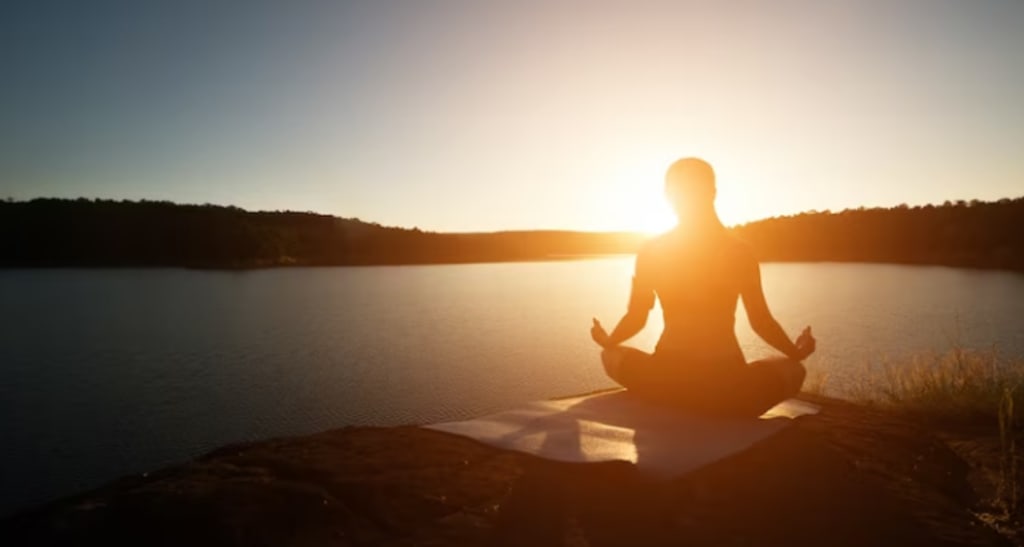
Yoga, a centuries-old Indian discipline, promotes physical and mental health. Yoga, which means "union" in Sanskrit, unites the mind, body, and spirit.
All versions of yoga combine physical postures, breathing exercises, and meditation. Asanas improve flexibility, strength, and balance. Pranayama activities control breathing and relax the mind. Dhyana meditation promotes relaxation and attention. Hatha yoga, a slow-paced, gentle form of yoga that emphasizes alignment and inner awareness, is very popular. Vinyasa yoga, which emphasizes movement and breath, is also popular.
Yoga, a complementary and alternative medicine, can cure stress, anxiety, depression, chronic pain, and sleeplessness. It also improves flexibility, strength, balance, and cardiovascular health.Yoga is accessible to all ages and fitness levels. It's a low-impact exercise that's easy on the joints and customizable.Yoga benefits the mind and body. It remains popular among all demographics. Yoga can help you lose weight, relieve stress, or find inner serenity.
Types of Yoga
Yoga has evolved into numerous forms over thousands of years. Each variety of yoga has its own focus and style, making it accessible to many people with diverse interests and fitness levels. Popular yoga styles include:
1. Hatha Yoga: This is the oldest type of yoga and the basis for all others. Hatha yoga emphasizes alignment, control, and inner awareness. Beginners and mediators will enjoy this calm, gentle meditation.
2. Vinyasa yoga: This yoga also called "flow" yoga, stresses movement and breath. It takes stamina, flexibility, and strength. This style integrates breath and movement to produce an energizing flow.
3. Ashtanga Yoga: This physically demanding form of yoga involves a specified sequence of postures. It builds strength, flexibility, and endurance in a fast-paced workout.
4. Iyengar Yoga: This type of yoga emphasizes alignment and uses props like blocks, straps, and blankets. It's slow and meticulous, perfect for injured people.
5. Bikram yoga: This type of yoga is conducted in a room heated to 105 degrees Fahrenheit. 26 postures and two breathing exercises are done in order. This method is difficult but purifying and flexible.
6. Kundalini Yoga: This spiritual, contemplative kind of yoga awakens Kundalini energy at the base of the spine. Kundalini yoga balances chakras by combining physical postures, breath control, and meditation.
7. Restorative Yoga: Relaxing and rejuvenating. It incorporates long-held passive postures using blankets, blocks, and bolsters. It is soothing and therapeutic, great for stress relief.
Different rules of yoga
Each yoga style offers unique benefits. Find a style that fits your requirements, interests, and fitness level. Yoga can be meditative or physically challenging.
Yoga is for everyone, regardless of age, fitness, or experience. To ensure safety and fun, there are regulations to observe. Important yoga rules:
Respect your body
Do yoga at your own speed and capacity. Listen to your body and don't overwork. Rest if the stance hurts.
Dress comfortably
Yoga requires a lot of movement, so wear loose, comfy clothes. Avoid tight clothing.Hydrate before, during, and after class: Yoga is physically demanding. Water, no coffee or alcohol.
Be on time
Yoga classes normally start on schedule, so arrive early to get set up.
Quiet
Yoga needs concentration, so be quiet and considerate during class.Leave your phone off or on silent mode and be present in class.
Avoid large meals two hours before class
Respect the teacher and other students: Yoga needs humility. Respect the teacher and classmates.
Avoid comparisons
Yoga is a personal practice, not a competition. Avoid comparisons and focus on your own progress.
Breathe
Yoga stresses breath control, so breathe throughout class.
Yoga demands humility. These guidelines will keep you and others safe and happy. Remember that yoga is personal, and your progress and well-being are most essential.
Benefits of Yoga
Yoga has lasted for thousands of years due to its many advantages. Yoga is a mind-body-spirit discipline. Yoga has several benefits:
Yoga improves strength, flexibility, balance, and fitness. It improves posture, muscle tone, and injury prevention.
Yoga reduces tension and anxiety. It can relax and quiet the mind.
Yoga improves mood, depression, anxiety, and cognitive function. It improves memory, focus, and self-awareness.
Yoga can enhance sleep quality, reducing insomnia and other sleep disorders.
Yoga lowers blood pressure and cholesterol, improving cardiovascular health.
Yoga can reduce pain and increase mobility for persons with arthritis and fibromyalgia.
Yoga can strengthen the respiratory system and increase lung function and breathing capacity.
Yoga reduces inflammation and boosts antibody production.
Yoga promotes food flow through the intestines and reduces constipation.
Yoga promotes self-awareness, inner tranquility, and a connection to a higher power.
Yoga benefits the body, mind, and spirit. All ages and fitness levels can perform this integrative mind-body-spirit activity. Yoga improves fitness, stress, and spirituality. It's a useful addition to anyone's life because it can be tailored to their requirements and goals.
Needed Materials for yoga
Yoga requires little equipment, but some material scan make yoga more comfortable and enjoyable. Popular yoga accessories include:
Yogis need a yoga mat. It cushions joints and stabilizes stances with a non-slip surface. Choose a mat thick enough to cushion but not too thick to balance on.Yoga blocks help with balance, alignment, and stability. They can adapt yoga positions for beginners and individuals with poor flexibility.
A long, thin strap helps increase flexibility and stretch depth. It aids balance and specific poses.Yoga blankets are helpful for people who are cold-sensitive or prefer a colder practice. These can be used as a warm-up blanket or a balance aid.
Cylindrical pillow supports the back and relaxes. It supports the head, neck, and knees in certain stances.Hot yoga and heavy perspiration require a yoga towel. These can be used on a mat for grip or on the body during poses for sweat absorption.Yoga clothes comfortable, breathable, and flexible. They're ideal for yoga because they're soft and flexible.
Keep your yoga gear in a yoga bag. This keeps your mat, towel, drink bottle, and other stuff organized and portable.
Yoga materials are not necessary but can make the practice more comfortable and enjoyable. They improve balance, alignment, stability, relaxation, and position modification. These items can elevate your yoga practice, whether you're novice or experienced. Accessories should match your aims and preferences.
About the Creator
Keep reading
More stories from Nnamdi Ani and writers in Longevity and other communities.
Staying Healthy in the Digital Age
Everyone is aware of the adage "health is wealth." In the digital era, however, this has never been more accurate. So many facets of our life rely on technology, from banking and shopping to communication and entertainment. Yet, with this greater dependence comes the need to look after ourselves, which includes preserving our physical and emotional wellbeing.So, what precautions can you do to maintain your health while living in this digital world? Today, we'll go beyond the fundamentals of getting enough sleep and eating your vegetables; we'll discuss a variety of techniques you may employ to maintain your health while interacting with technology.
By Nnamdi Ani3 years ago in Longevity
Day 4 of Quitting
If this is how sobriety feels, maybe it’s better to go through life a little buzzed… this, along with other hits like, I want to kill myself, I wish I was dead, and I’m going to throw myself off a bridge have been the only thoughts on rotation these past few days. I promise myself that if, in a month, I still feel like this (‘this’ meaning despondent, full of rage, and simultaneously numb) I can go back to smoking. Until mid-February though? Nicotine is off the table.
By sleepy drafts12 days ago in Longevity
So You Decided To Become a Nurse Practitioner:
So you decided to become an "Advanced Practice" nurse. Congratulations!... is what I would say if this was a good idea. Grad school? In this economy? What were you thinking? Likely it was something along the lines of either 1) “I've seen these other chucklefucks do it— Why can't I?” or even 2) “I've got a nice career, I should shake it up. I miss feeling like I have no clue what I'm doing.”
By Sandor Szabo2 days ago in Fiction



Comments
There are no comments for this story
Be the first to respond and start the conversation.