
How to Spot the Early Signs of Diabetes from Subtle Symptoms
Recognizing the silent clues your body gives before diabetes takes hold can help you take control of your health early.

Diabetes is often called a silent disease because its early signs can be so subtle that they are overlooked. However, catching diabetes in its early stages can significantly improve your quality of life and prevent complications down the line. If you’ve ever wondered whether certain symptoms might be a red flag, this article will walk you through how to recognize the early signs of diabetes and take action before it’s too late.
1. Unexplained Fatigue
Feeling tired even after a full night’s sleep? This could be more than just stress or a busy schedule. Fatigue is one of the earliest signs of diabetes. When your body has trouble using sugar for energy due to insulin resistance or lack of insulin, you might feel persistently drained.
Tip: If you notice chronic fatigue that doesn’t improve with rest, consider seeing a healthcare provider.
2. Increased Thirst and Frequent Urination
Are you constantly thirsty or making frequent trips to the bathroom? These are hallmark symptoms of high blood sugar. When glucose builds up in your bloodstream, your kidneys work overtime to filter and remove it, which increases urine production. As a result, your body becomes dehydrated, leading to excessive thirst.
What to Look For:
Drinking more water than usual but still feeling parched.
Waking up multiple times at night to urinate.
3. Blurred Vision
Vision problems don’t just happen with age—they can also signal diabetes. High blood sugar levels can cause the lens of your eye to swell, making it difficult to focus. If left untreated, diabetes can lead to more severe eye conditions like diabetic retinopathy.
Tip: Blurry vision that comes and goes is worth checking out, especially if you’re experiencing other symptoms.
4. Unexplained Weight Loss
Losing weight without trying can sound like a dream, but it might be a warning sign of diabetes. When your body can’t access sugar for energy, it starts breaking down fat and muscle, leading to rapid weight loss.
Red Flag: A loss of 10 pounds or more in a short time without changes to diet or exercise habits.
5. Increased Hunger
Do you feel hungry all the time, even after eating? This is called polyphagia, and it’s a common symptom of diabetes. When your body isn’t properly processing glucose, your cells don’t get the energy they need, tricking your brain into thinking you need more food.
What to Notice: Constant hunger that’s hard to satisfy, paired with other symptoms like fatigue or weight loss.
6. Slow-Healing Wounds and Frequent Infections
High blood sugar can damage your blood vessels, slowing down the healing process. If you notice cuts, bruises, or wounds that take unusually long to heal, it might be a sign of diabetes. Additionally, frequent infections (like urinary tract infections or yeast infections) could indicate that your immune system is compromised due to elevated glucose levels.
Pay Attention To:
Sores that don’t heal.
Recurring infections in the same areas.
7. Tingling or Numbness in Hands and Feet
Known as peripheral neuropathy, tingling or numbness in the extremities is often an early indicator of diabetes. High blood sugar can damage nerves over time, leading to these sensations.
Take Action If: You experience frequent tingling, burning, or numbness, especially in your hands or feet.
What to Do Next
If you recognize these symptoms in yourself or someone you love, don’t panic. Early detection is key to managing diabetes effectively. Here’s what you should do:
Schedule a Doctor’s Visit: A simple blood test can confirm whether you have diabetes or prediabetes.
Make Lifestyle Changes: Adopting a balanced diet, regular exercise, and healthy sleep habits can go a long way in managing blood sugar levels.
Monitor Your Symptoms: Keep track of your symptoms and how they evolve over time.
Final Thoughts
Diabetes doesn’t have to control your life—but ignoring the warning signs can lead to serious health issues. By staying aware of these subtle symptoms and seeking medical advice early, you can take charge of your health and prevent complications.
Remember: Your health is your greatest asset. Don’t ignore the whispers of your body—it might be trying to tell you something important.
Would you like to know more about managing blood sugar or preventing diabetes? Let me know in the comments below!
About the Creator
Millicent Chisom
Hi there! I'm Millicent Chisom, a medical student with a deep love for all things health, wellness, and of course—desserts! When I’m not immersed in medical textbooks or studying for exams,
Keep reading
More stories from Millicent Chisom and writers in Longevity and other communities.
The Journey Within: Emma's Path to Self-Discovery
In the bustling city of Veridian, Emma Thompson was known for her meticulous nature. As a 32-year-old accountant, her life revolved around numbers, deadlines, and a predictable routine. Yet, beneath the structured exterior lay a yearning for something more—a desire to break free from monotony and discover a deeper sense of purpose.
By Millicent Chisom11 months ago in Longevity
Day 4 of Quitting
If this is how sobriety feels, maybe it’s better to go through life a little buzzed… this, along with other hits like, I want to kill myself, I wish I was dead, and I’m going to throw myself off a bridge have been the only thoughts on rotation these past few days. I promise myself that if, in a month, I still feel like this (‘this’ meaning despondent, full of rage, and simultaneously numb) I can go back to smoking. Until mid-February though? Nicotine is off the table.
By sleepy drafts11 days ago in Longevity
United States Active Pharmaceutical Ingredients Market Size and Forecast 2025–2033
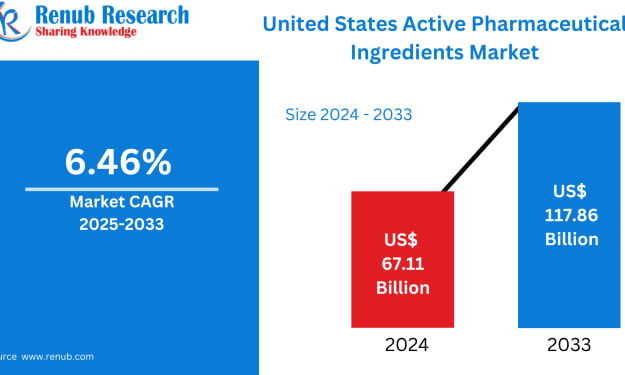
United States Active Pharmaceutical Ingredients Market The U.S. Active Pharmaceutical Ingredients (API) Market is anticipated to grow from US$ 67.11 billion in 2024 to US$ 117.86 billion in 2033, registering a CAGR of 6.46% during 2025–2033. This robust expansion is fueled by the rising demand for both branded and generic drugs, the increasing burden of chronic diseases, and rapid innovation in biopharmaceutical research. As the backbone of every therapeutic product, APIs are becoming increasingly strategic to healthcare security, drug affordability, and pharmaceutical competitiveness in the United States.
By jaiklin Fanandish3 days ago in Longevity
Miss Persephone's Manual to a Seemingly Ordinary Life
Miss Persephone was found at the dining table, her blue eyes swollen, her tears arriving and retreating like the tides of the ocean. Earlier that day, her family had visited her in the retirement home where she had lived for eight years. It was her eightieth birthday.
By Imola Tóth3 days ago in Fiction



Comments (1)
It’s great to know how to spot the signs! Very informative!