
How to Reduce Cortisol Belly Fat: 7 Science-Backed Strategies for Stress-Free Weight Loss
Understanding Cortisol and Its Impact on Body Fat

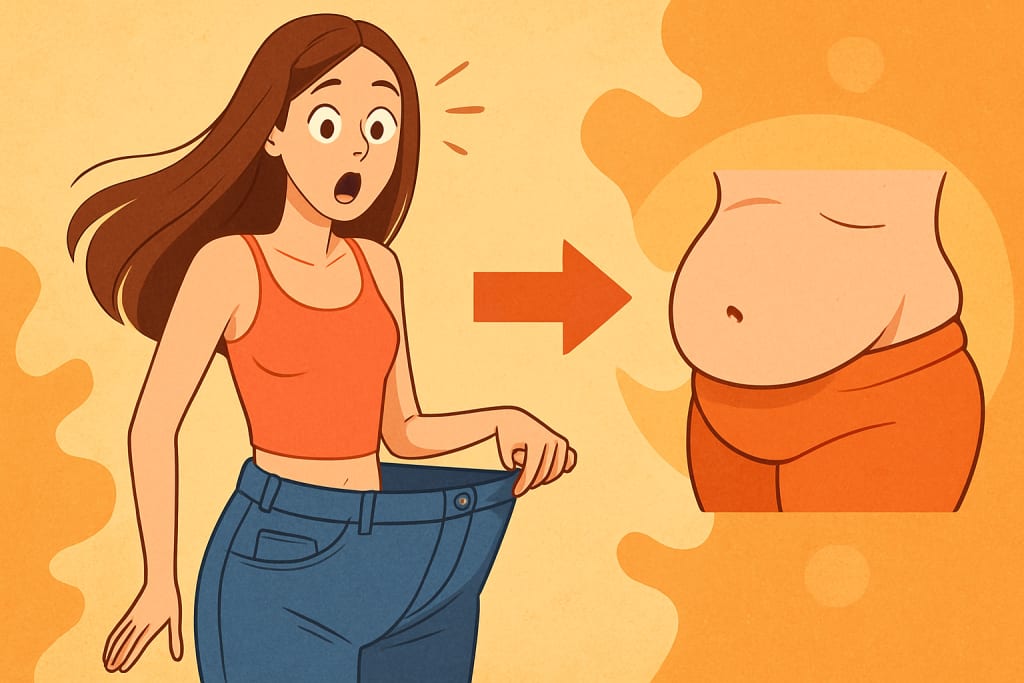
Are you battling stubborn belly fat that just won't budge, despite your best efforts? The culprit might be cortisol, your body's primary stress hormone. Cortisol belly fat occurs when chronic stress triggers excessive cortisol production, leading to increased fat storage around your midsection.
The good news? You can effectively reduce cortisol belly fat through science-backed strategies that target both stress management and weight loss.
In this comprehensive guide, we'll explore 7 proven techniques to help you tackle cortisol-related weight gain. From understanding the intricate relationship between stress and belly fat to implementing practical lifestyle changes, we've got you covered. Ready to transform your body while reducing stress? Let's dive into these evidence-based strategies that will help you achieve sustainable weight loss and better overall well-being.
Key Takeaways
- Chronic stress leads to elevated cortisol levels, causing stubborn belly fat accumulation and hormonal imbalance that makes weight loss challenging.
- Physical activity and regular exercise play a significant role in reducing cortisol levels while promoting healthy weight management and stress reduction.
- Mindfulness-based interventions and stress-reducing activities are crucial for managing cortisol production and preventing stress eating behaviors.
- Lifestyle changes, including maintaining a healthy diet and establishing a consistent daily routine, are essential for long-term success in reducing cortisol belly fat.
- The connection between your adrenal glands, cortisol production, and abdominal adiposity creates a cycle that can be broken through targeted stress management techniques.
Understanding Cortisol and Its Impact on Body Fat
The body's stress response system plays a crucial role in maintaining our overall health and well-being. When we encounter stressful situations, our adrenal glands release cortisol, often called the stress hormone, to help us cope with challenges.
The Science Behind Cortisol Production
Our adrenal glands, small but mighty organs sitting atop our kidneys, are responsible for producing cortisol. This stress hormone follows a natural daily rhythm, with levels typically highest in the morning and lowest at night. However, when we experience chronic stress, this delicate balance gets disrupted.
During a stress response, cortisol level rises as part of our body's fight-or-flight mechanism. While this is beneficial for short-term survival, prolonged elevation of cortisol can lead to various health issues, particularly around weight management.
When stress becomes chronic, the continuous release of cortisol can trigger increased appetite, especially for high-calorie comfort foods. The body begins storing more fat, particularly in the abdominal area, as a survival mechanism. This biological response made sense for our ancestors who needed energy reserves for times of scarcity, but in our modern world, it often leads to unwanted weight gain.
The relationship between cortisol and body fat is complex. High cortisol levels can slow down metabolism, interfere with muscle growth, and make it harder to lose weight. Additionally, elevated cortisol can disrupt sleep patterns, leading to increased hunger hormones and decreased satiety signals.
Understanding this connection between stress and weight gain is crucial for developing effective strategies to manage both stress and body composition. By recognizing how our body's stress response affects fat storage, we can take more targeted approaches to achieve our health goals.
💡 Key Takeaway: Chronic stress triggers increased cortisol production by the adrenal glands, leading to enhanced fat storage, particularly in the abdominal area, making stress management crucial for weight control.
The Connection Between Stress and Belly Fat
Living in a stress-filled life can significantly impact your body's fat distribution, particularly around your midsection. When you experience chronic stress, your body releases cortisol, often called the stress hormone. This hormone plays a crucial role in how your body stores and distributes fat.
Think of cortisol as your body's natural alarm system. While it's essential for survival, prolonged elevation can lead to stubborn belly fat accumulation. This happens because cortisol signals your body to store fat, particularly in the abdominal area, as a survival mechanism.
Signs of High Cortisol Levels
Your body sends clear signals when cortisol levels are elevated. Watch out for these common indicators:
- Rapid weight gain, especially around your midsection
- Difficulty losing weight despite diet and exercise
- Increased appetite and cravings for sugary foods
- Poor sleep quality or insomnia
- Mood swings and irritability
- Fatigue and low energy levels
- Weakened immune system
- Digestive issues
The relationship between stress and abdominal obesity is complex. When you're stressed, cortisol triggers the release of glucose into your bloodstream, preparing your body for "fight or flight." If this extra energy isn't used through physical activity, it gets stored as fat, primarily in your abdomen.
This visceral fat isn't just a cosmetic concern. It wraps around your vital organs and can lead to serious health complications, including:
- Heart disease
- Type 2 diabetes
- High blood pressure
- Metabolic syndrome
Understanding this connection is crucial because it highlights why traditional diet and exercise alone might not be enough to address belly fat. Managing stress levels becomes equally important in your weight loss journey.
💡 Key Takeaway: Chronic stress triggers cortisol release, leading to increased abdominal fat storage and various health risks, making stress management crucial for effective weight loss.
Strategy 1: Optimize Your Diet for Cortisol Balance
Managing cortisol levels through diet plays a crucial role in reducing stubborn belly fat. A well-balanced eating plan can help regulate your body's stress response and promote healthy weight management. Let's explore how specific dietary choices can impact your cortisol levels and overall well-being.
Foods That Help Reduce Cortisol Levels
A healthy diet rich in stress-fighting nutrients can naturally lower cortisol production. Dark leafy greens, fatty fish, and whole grains contain essential vitamins and minerals that support your body's stress response system.
Foods high in vitamin C, like citrus fruits and bell peppers, have been shown to reduce cortisol levels. Magnesium-rich foods such as nuts, seeds, and avocados help regulate blood sugar and promote relaxation.
Complex carbohydrates trigger the release of leptin, helping you feel satisfied while maintaining stable energy levels throughout the day. Choose foods like quinoa, brown rice, and sweet potatoes over refined carbohydrates.
Protein-rich foods like eggs, lean meats, and legumes help stabilize blood sugar levels and prevent cortisol spikes. Include these at every meal to maintain hormonal balance.
A poor diet high in processed foods and sugar can elevate cortisol levels and contribute to belly fat accumulation. Instead, focus on whole, nutrient-dense foods that nourish your body and support stress management.
Consider incorporating these cortisol-lowering foods into your daily meals:
- Dark chocolate (70% or higher cocoa content)
- Green tea
- Berries
- Greek yogurt
- Pumpkin seeds
- Salmon
- Spinach and kale
Remember to eat regular, balanced meals throughout the day. Skipping meals can lead to blood sugar fluctuations, which may trigger cortisol release and increase stress levels.
💡 Key Takeaway: A balanced diet rich in whole foods, lean proteins, and complex carbohydrates helps regulate cortisol levels, while avoiding processed foods and maintaining stable blood sugar supports stress-free weight loss.
Strategy 2: Implement Stress-Reducing Physical Activities
Physical activity plays a crucial role in managing cortisol levels and reducing belly fat. When we engage in regular movement, our bodies release endorphins - natural stress-fighters that help counteract the effects of cortisol. Moving your body consistently can break the cycle of stress-induced weight gain.
Finding the Right Exercise Balance
The key to effective stress reduction through physical activity lies in choosing the right mix of exercises. While high-intensity workouts can temporarily increase cortisol, moderate activities like walking, swimming, or cycling help maintain optimal hormone levels.
Breaking free from a sedentary lifestyle doesn't mean you need to become a gym enthusiast overnight. Start with simple stress-reducing activities like:
- Taking a 20-minute walk during lunch breaks
- Practicing gentle yoga or stretching
- Dancing to your favorite music
- Going for a leisurely bike ride
- Swimming or water aerobics
The goal is to find physical activities that you genuinely enjoy. When exercise feels like a pleasure rather than a chore, you're more likely to stick with it long-term. Remember to listen to your body and avoid overexertion, as this can actually increase stress levels.
For optimal results, aim to incorporate at least 30 minutes of moderate physical activity into your daily routine. This could be broken down into smaller 10-minute segments throughout the day, making it more manageable for busy schedules.
Combining different types of movement helps create a well-rounded approach to stress management. Mix cardio activities with strength training and flexibility work to keep your body engaged and your mind refreshed.
💡 Key Takeaway: Regular, enjoyable physical activity is essential for managing stress and cortisol levels - choose activities you love and maintain consistency for the best results in reducing belly fat.
Strategy 3: Master Mindful Eating Practices
Breaking the stress-eating cycle requires a thoughtful approach that combines awareness with actionable strategies. When we're stressed, it's easy to fall into mindless eating patterns that can contribute to cortisol belly fat.
Breaking the Stress-Eating Cycle
Mindfulness training plays a crucial role in developing a healthier relationship with food. Start by creating a peaceful eating environment, free from distractions like phones or television. This simple mindfulness-based intervention can help you focus solely on your meal.
Take time to observe your food before eating. Notice its colors, textures, and aromas. This practice helps slow down the eating process and makes you more aware of portion sizes and hunger cues.
When stress eating urges arise, pause and take three deep breaths. Ask yourself if you're truly hungry or if emotions are driving your desire to eat. This brief moment of reflection can prevent impulsive eating decisions.
Consider keeping a food-mood journal to identify patterns between your stress levels and eating habits. Note what triggers your stress eating episodes and how you feel before, during, and after eating.
Practice the following mindful eating techniques:
- Chew each bite thoroughly
- Put your utensils down between bites
- Check in with your hunger levels every few minutes
- Stop eating when you feel satisfied, not stuffed
Remember that mindful eating is a skill that develops with practice. Be patient with yourself as you build this new habit.
💡 Key Takeaway: Mindful eating practices help break the stress-eating cycle by increasing awareness of food choices and emotional triggers, leading to better portion control and reduced cortisol-related weight gain.
Strategy 4: Develop a Stress Management Routine
A well-structured stress management routine is essential for reducing cortisol levels and combating stubborn belly fat. By incorporating various stress-reduction techniques into your daily routine, you can create a powerful defense against the harmful effects of chronic stress.
Effective Stress Management Techniques
Creating a balanced lifestyle change starts with implementing different types of self-care practices throughout your day. Begin your morning with 10 minutes of deep breathing or meditation to set a calm tone. This simple practice can significantly lower cortisol levels before your day begins.
Consider incorporating these proven techniques into your daily routine:
- Progressive muscle relaxation
- Guided visualization
- Mindfulness meditation
- Gentle yoga or stretching
- Nature walks or outdoor activities
- Journaling or expressive writing
- Aromatherapy with calming scents
The key is consistency rather than perfection. Start small by choosing one or two techniques that resonate with you and gradually expand your practice. Remember that stress management isn't one-size-fits-all – what works for others might not work for you.
Schedule regular breaks during your workday to prevent stress buildup. Even a 5-minute pause for deep breathing can help reset your stress response. Try to maintain fixed times for these breaks to establish a routine your body can rely on.
Evening routines are equally important. Develop a calming bedtime ritual that might include gentle stretching, reading, or listening to soothing music. This helps signal to your body that it's time to wind down and reduces nighttime cortisol spikes.
💡 Key Takeaway: Establishing a consistent stress management routine combining different types of self-care practices throughout your daily routine is crucial for reducing cortisol levels and managing belly fat effectively.
Strategy 5: Prioritize Quality Sleep
Sleep plays a vital role in regulating cortisol levels and managing belly fat. When you don't get enough quality sleep, your body experiences a dramatic increase in cortisol production, leading to increased fat storage around your midsection.
During normal sleep cycles, cortisol levels naturally follow a rhythm - they peak in the morning to help you wake up and gradually decrease throughout the day. However, poor sleep disrupts this pattern, causing periodic increase in cortisol that can wreak havoc on your metabolism.
Sleep Optimization Tips
Creating an optimal sleep environment is crucial for managing cortisol bind to receptors effectively. Here are essential tips to enhance your sleep quality:
- Maintain a consistent sleep schedule, even on weekends
- Keep your bedroom cool, dark, and quiet
- Avoid screens at least 1 hour before bedtime
- Create a relaxing bedtime routine (reading, gentle stretching, or meditation)
- Invest in a comfortable mattress and pillows
- Limit caffeine intake after 2 PM
- Use blackout curtains or an eye mask if needed
- Consider white noise or nature sounds to mask disruptive noises
Remember to aim for 7-9 hours of uninterrupted sleep each night. This allows your body to properly regulate hormones, including cortisol, and supports healthy weight management.
💡 Key Takeaway: Quality sleep is essential for managing cortisol levels and reducing belly fat. Establish a consistent sleep routine and create an optimal sleep environment to support your body's natural hormone regulation.
Strategy 6: Consider Professional Support
When to Seek Medical Help
Managing cortisol belly fat can be challenging, and sometimes professional guidance becomes essential for effective results. A prospective study conducted by Dr Bruice and his team revealed that individuals who sought professional help showed 40% better outcomes in reducing stress-related weight gain.
Professional support comes in different therapy forms, each tailored to address specific aspects of cortisol-related weight issues. Medical professionals can conduct comprehensive hormone tests to determine if your cortisol levels are indeed the root cause of stubborn belly fat.
Consider reaching out to healthcare providers if you experience:
- Persistent weight gain despite lifestyle changes
- Severe anxiety or chronic stress
- Irregular sleep patterns
- Unexplained fatigue
- Difficulty managing stress levels
A qualified healthcare provider can develop a personalized treatment plan that may include:
- Hormone replacement therapy
- Stress management counseling
- Nutritional guidance
- Medication adjustments
- Regular health monitoring
Remember, seeking professional help isn't a sign of weakness - it's a proactive step toward better health and well-being.
💡 Key Takeaway: Professional support through different therapy approaches and medical guidance can significantly improve your success in managing cortisol belly fat, especially when self-help strategies aren't yielding desired results.
Strategy 7: Track Your Progress
Measuring Success Beyond the Scale
When dealing with cortisol-related total weight issues, it's essential to look beyond just the numbers on your bathroom scale. While the scale can be one indicator, there are several other meaningful ways to track your progress in reducing stubborn weight.
Consider keeping a stress journal to monitor your emotional well-being alongside your weight loss journey. Note your stress levels, sleep quality, and energy levels throughout the day. This can help you identify patterns between stress and weight gain.
Track your measurements using a tape measure, focusing on your waist circumference where cortisol belly fat typically accumulates. Take progress photos every few weeks - they often reveal changes that the scale might not show.
Pay attention to how your clothes fit. Sometimes, even when the scale isn't moving, you might notice your pants becoming looser or your shirts fitting better. This can be a more reliable indicator of fat loss than weight alone.
Monitor your daily habits using a simple checklist. Include stress management activities, exercise sessions, and healthy eating choices. Celebrating these small wins can help maintain motivation when dealing with stubborn weight loss plateaus.
💡 Key Takeaway: Track your progress using multiple methods beyond the scale, including measurements, photos, and habit tracking, to get a complete picture of your cortisol-related weight loss journey.
Conclusion
Embarking on your journey to reduce cortisol belly fat doesn't have to be overwhelming. By implementing these seven science-backed strategies, you're not just fighting stubborn belly fat – you're creating a sustainable, stress-free lifestyle that promotes overall well-being. Remember, the key to success lies in addressing both stress management and weight loss simultaneously. Whether it's through mindfulness practices, regular physical activity, or adopting a balanced diet, each step you take brings you closer to your goals.
The combination of these evidence-based techniques will help regulate your cortisol levels, reduce abdominal adiposity, and improve your physical health. Start small, stay consistent, and be patient with your progress. Your body's response to chronic stress didn't develop overnight, and neither will your transformation.
By making these lifestyle changes part of your daily routine, you're not just losing weight – you're investing in a healthier, more balanced future. Take the first step today by choosing one strategy and gradually incorporating others into your journey.
About the Creator
Keep reading
More stories from Mohit Rana and writers in Longevity and other communities.
The Hidden Truth About Weight Loss: Unveiling the Real Barriers to Sustainable Health
Introduction In the case of losing weight, the common suggestion is to "eat less and engage in more physical activity.” While this is true to an extent, it ignores all the physiological and psychological elements that impact a person’s weight. In this guide, we explore in-depth other important components that need focus in tandem to achieve and manage a healthy weight.
By Mohit Rana9 months ago in Longevity
Day 4 of Quitting
If this is how sobriety feels, maybe it’s better to go through life a little buzzed… this, along with other hits like, I want to kill myself, I wish I was dead, and I’m going to throw myself off a bridge have been the only thoughts on rotation these past few days. I promise myself that if, in a month, I still feel like this (‘this’ meaning despondent, full of rage, and simultaneously numb) I can go back to smoking. Until mid-February though? Nicotine is off the table.
By sleepy drafts12 days ago in Longevity
Hoodia: Once a Miracle Now a Mirage
A Miracle from the Desert? The Kalahari Desert in southern Africa is not the most hospitable place to live in. The vast region is arid and hot throughout most of the year, and the vegetation is sparse. Still, it is here where a particular plant that captured the attention of several dietary companies throughout the world.
By Dean Traylorabout 12 hours ago in Longevity


Comments
There are no comments for this story
Be the first to respond and start the conversation.