
How to Keep Your Brain 20 Years Younger: Science-Backed Habits That Actually Work
Simple daily routines proven to protect memory, sharpen focus, and slow cognitive aging

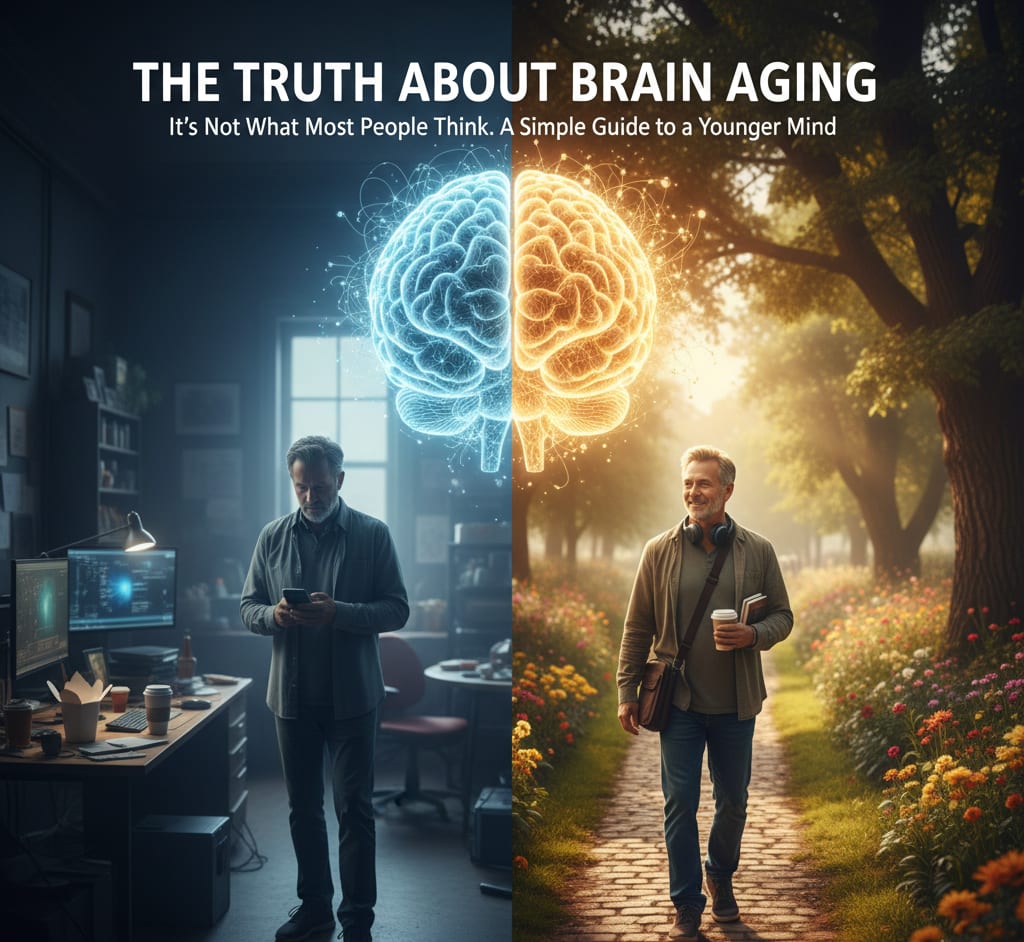
Michael didn’t notice it happening all at once.
There was no dramatic moment where his memory suddenly failed him. No alarming diagnosis. No obvious warning sign.
Instead, it crept in quietly.
He’d walk into a room and pause, unsure why he was there. He’d forget the name of a colleague he had worked with for years. Midway through a familiar story, his thoughts would slip away, leaving him awkwardly searching for words.
At first, he laughed it off.
Everyone forgets things, right?
But at 52, those small moments began to linger in his mind longer than they should have. He was healthy. He exercised occasionally. He worked full time, paid his bills, and lived what most would call a normal life.
Still, a question kept returning late at night:
Is this how the brain starts aging?
What Michael didn’t realize at the time was that his brain wasn’t failing—it was responding to how he lived. And when he changed a few everyday habits, something remarkable happened.
His mind began to feel younger again.
The Truth About Brain Aging (It’s Not What Most People Think)
Many people believe cognitive decline is inevitable—that memory loss, mental fog, and slower thinking are simply part of getting older.
Science tells a different story.
While aging does affect the brain, how fast it ages is heavily influenced by daily habits. Research shows that the brain remains adaptable, flexible, and capable of forming new connections well into later life—a phenomenon known as neuroplasticity.
In other words, your brain is not fixed. It responds to how you treat it.
Michael’s improvements didn’t come from a single miracle solution. They came from small, consistent changes that science now strongly supports.
1. Daily Movement: The Brain’s Natural Booster
Michael didn’t start training for a marathon.
He simply began walking.
Every morning, about 30 minutes before work, he walked around his neighborhood while the streets were quiet. No pressure. No fitness goals. Just movement.
Within weeks, something shifted.
His thoughts felt clearer. Conversations flowed more easily. The mental fog he’d accepted as normal began to lift.
Why it works:
Regular physical activity increases blood flow to the brain, delivering oxygen and nutrients essential for memory and concentration. Studies consistently show that walking, cycling, and light aerobic exercise support the hippocampus—the part of the brain responsible for learning and memory.
You don’t need extreme workouts. Consistency matters more than intensity.
2. Sleep: Where Memory Is Actually Built
For years, Michael treated sleep as optional.
He fell asleep with the TV on. Scrolled his phone late into the night. Five or six hours felt “good enough.”
Then he made one simple rule:
No phone in the bedroom. Lights off earlier.
The difference was immediate.
Within days, he woke up feeling more alert. Within weeks, he noticed he wasn’t forgetting things as often.
Why it works:
During deep sleep, the brain clears out waste products and consolidates memories. Chronic sleep deprivation interrupts this process, leading to forgetfulness, slower thinking, and poor focus.
Sleep isn’t rest for the brain—it’s maintenance.
3. Brain-Friendly Nutrition (No Diet Required)
Michael didn’t overhaul his diet or follow a strict plan.
He just made better swaps.
• Olive oil instead of butter
• Nuts instead of chips
• Fruit instead of processed desserts
• More vegetables
• Fish a few times a week
That was it.
Soon, the afternoon mental crashes disappeared. His energy stabilized—and so did his thinking.
Why it works:
The brain relies on healthy fats, antioxidants, and steady blood sugar. Diets rich in whole foods—similar to the Mediterranean diet—are linked to slower cognitive decline and better memory performance.
You don’t need perfection. You need patterns.
4. Learning Something New: The Ultimate Brain Exercise
Michael realized he hadn’t learned a new skill in years.
So he tried something different.
He downloaded an app to learn Italian. He pulled his old guitar out of storage and started practicing again.
It felt awkward. Slow. Frustrating.
But it also felt alive.
Why it works:
Learning new skills forces the brain to form new neural connections. This strengthens cognitive reserve—the brain’s ability to adapt and resist aging-related decline.
Crosswords are fine. New languages, instruments, and complex skills are even better.
5. Social Connection: The Overlooked Brain Nutrient
This change surprised him most.
Michael began meeting a friend for coffee once a week. Calling family instead of texting. Joining a small weekend walking group.
After these interactions, he felt mentally energized.
Why it works:
Meaningful social interaction stimulates memory, attention, emotional regulation, and language centers in the brain. Loneliness, on the other hand, is strongly linked to faster cognitive decline and dementia risk.
Humans evolved to think together—not alone.
6. Quiet Time: Letting the Brain Breathe
Michael always thought he wasn’t stressed—just busy.
But he started taking 10 minutes a day with no screens, no noise, no input. Sometimes sitting outside. Sometimes walking slowly without headphones.
Those minutes changed everything.
Focus came easier. His mind felt less scattered.
Why it works:
Moments of mental stillness activate the brain’s default mode network, which supports creativity, memory consolidation, and emotional balance. Constant stimulation keeps the brain in a reactive state.
Silence isn’t empty—it’s restorative.
What Changed After a Few Months
The changes weren’t dramatic—but they were undeniable.
• He remembered names faster
• Lost his words less often
• Felt more present in conversations
• Experienced clearer thinking throughout the day
His wife noticed before he did.
“You seem sharper lately,” she said.
She was right.
A Healthier Way to Think About Brain Aging
Michael realized something important.
He had spent years worrying about visible signs of aging while ignoring his most valuable asset—his mind.
His brain didn’t need hacks or supplements.
It needed care.
The same care humans gave their brains long before modern life disrupted sleep, movement, food, connection, and quiet.
The Encouraging Truth
Occasional forgetfulness doesn’t always mean decline.
Often, it’s feedback.
A reminder that the brain thrives on simple, human habits.
Michael didn’t find a miracle cure.
He changed how he lived.
And quietly, without drama, his brain began to feel years younger—making everyday life easier, clearer, and more enjoyable again.
About the Creator
Adil Ali Khan
I’m a passionate writer who loves exploring trending news topics, sharing insights, and keeping readers updated on what’s happening around the world.
Keep reading
More stories from Adil Ali Khan and writers in Longevity and other communities.
Is Coffee Good or Bad for Your Brain? Science Explains
Introduction Coffee is one of the most popular drinks in the world. Millions of people start their day with a cup of coffee. Some say coffee makes them smarter, faster, and more focused. Others believe coffee damages the brain and causes anxiety and poor sleep. So what is the truth?
By Adil Ali Khan5 days ago in Longevity



Comments
There are no comments for this story
Be the first to respond and start the conversation.