
“How I Took Control of My Diabetes—And The Diet That Saved My Life”
A Personal Journey Through Struggle, Awareness, and a Life-Saving Change in Eating Habits
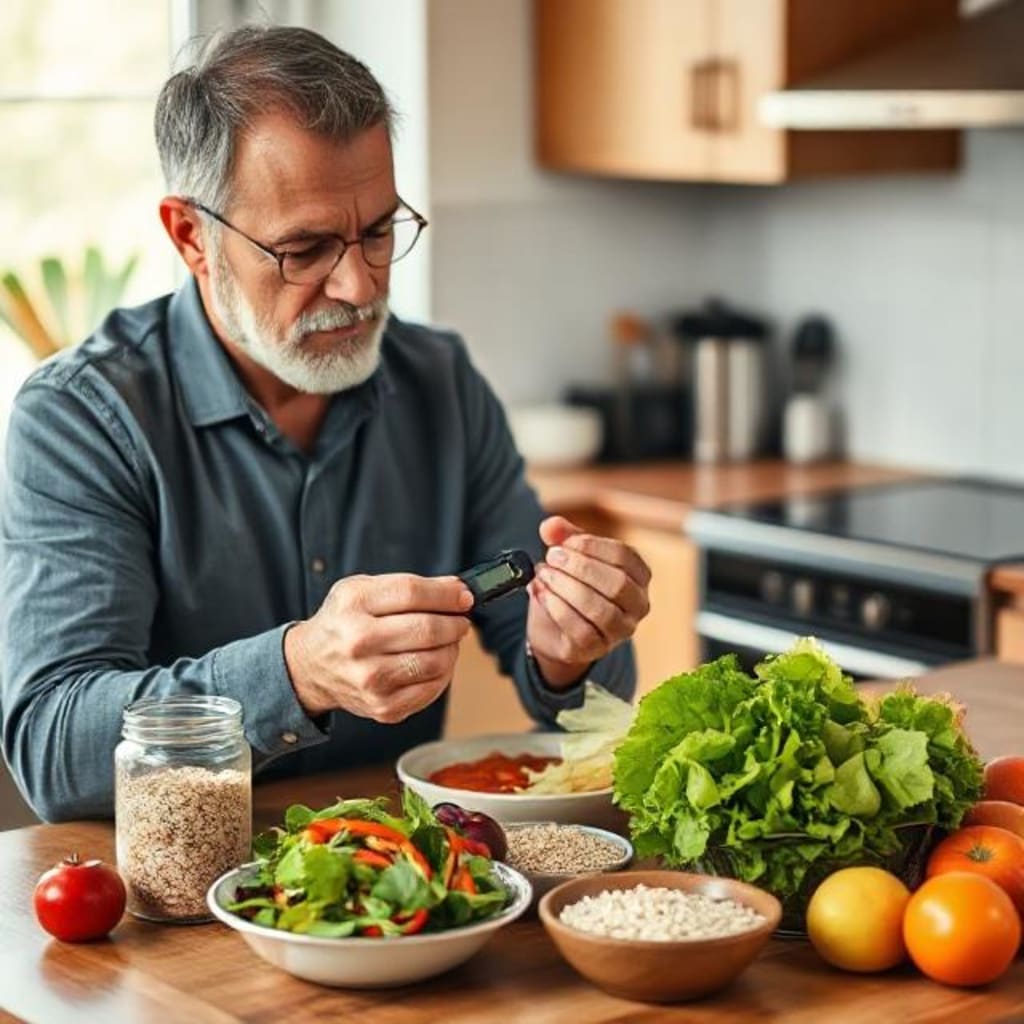
How I Took Control of My Diabetes—And The Diet That Saved My Life
By Umar Farooq
I remember the moment like it was yesterday. The doctor looked at me with concern and said, "Your blood sugar levels are dangerously high. You have Type 2 Diabetes." At 42, I thought I was just tired, overworked, maybe a little overweight—but I didn’t think I was sick. That diagnosis hit me like a truck.
The first few weeks were filled with fear and confusion. I had no idea what to eat, what to avoid, or how I got here. My diet had always been what you’d call “normal”—parathas in the morning, sugary tea, a heavy lunch, and fast food dinners when work got too hectic. I didn’t realize how those choices were silently hurting me.
This is my story—not of a perfect recovery, but of real change, slow improvement, and the power of food.
---
The Wake-Up Call
When I got diagnosed, my fasting blood sugar was 190 mg/dL. The doctor warned me that if I didn’t make changes fast, I would face long-term complications: eye damage, nerve issues, even heart disease.
I was prescribed metformin, a common diabetes medication. But my doctor said something that stuck with me:
> “Medicine will help manage your sugar levels—but only your diet and lifestyle will truly change the game.”
That’s when I started researching everything I could about diabetes and diet. I watched YouTube videos, read articles from Mayo Clinic, WebMD, and Harvard Health. And slowly, a pattern started to emerge: low-glycemic, high-fiber, balanced nutrition was key.
---
Breaking Up With Sugar
The first major enemy? Refined sugar.
I went cold turkey. No more soft drinks, no more sugary tea, no desserts after dinner. Instead, I switched to:
Unsweetened herbal teas
Water with lemon
Fruits like berries (low GI)
Stevia or monk fruit as natural sweeteners
Within 2 weeks, I noticed I wasn’t craving sugar anymore. My energy was stable. My mood improved.
---
Rebuilding My Plate
I learned a rule that saved me:
“Half your plate veggies, a quarter lean protein, a quarter whole grains.”
Here’s what my typical day looked like after the change:
Breakfast:
Rolled oats with chia seeds, almonds, and a few blueberries
Boiled egg or Greek yogurt
Lunch:
Grilled chicken breast or tofu
Brown rice or quinoa
A big salad with olive oil & lemon dressing
Snack:
A handful of mixed nuts
Apple slices with peanut butter
Dinner:
Lentil soup or baked fish
Steamed broccoli, spinach, or kale
A small sweet potato or barley
I also drank at least 8 glasses of water a day and avoided anything fried.
---
Grocery Shopping: The Game Changer
One of the best pieces of advice I received online was:
“Shop the perimeter of the grocery store.”
That’s where the fresh food is—produce, dairy, meat. The processed stuff lives in the center aisles.
So every Sunday, I created a list and shopped with a plan. No random snacks, no “just in case” cookies. Everything I bought had a purpose.
---
The Results: A Real Turnaround
After 3 months, I went back to the doctor. Here were the results:
Fasting blood sugar: Down from 190 to 115 mg/dL
Weight: Lost 16 pounds
Energy levels: Stable, no crashes
Medication: Cut in half
Even the doctor was surprised. He said, “Most people rely only on pills. You did the hard part—changing your habits.”
---
What I Wish I Knew Earlier
Here are some lessons I want to share with anyone dealing with diabetes:
1. Carbs aren’t the enemy—bad carbs are.
Choose whole grains, beans, and fiber-rich veggies.
2. Track your food.
I used a free app called MyFitnessPal. It showed me hidden sugars and carbs I never noticed before.
3. Portion size matters.
You can eat rice or potatoes—but keep it small.
4. Sleep and stress impact sugar too.
I started walking daily and doing light meditation. It helped big time.
5. Don’t skip meals.
Skipping meals made my sugar crash and led to binge eating later.
---
Diabetes Is Not a Sentence—It’s a Signal
Getting diagnosed felt like the end of the world. But in reality, it was a second chance. A warning. A reset button.
Today, I still check my sugar levels daily. I still crave pizza sometimes. And yes, I do enjoy the occasional dessert—but with control and balance.
This journey taught me that food is not just fuel. Food is medicine.
---
Final Thoughts: My Message to You
If you or someone you love is battling diabetes, know this:
You have more power than you think. Every small choice counts. Your next meal can either spike your sugar—or support your healing.
Take it one meal, one walk, one day at a time.
And never underestimate what real, wholesome food can do for your body and mind.
Because if I can turn it around—you can too.
About the Creator
Keep reading
More stories from Umar Farooq and writers in Longevity and other communities.
"From Zero to $67 in 17 Days: How I Started Earning Online Without Any Skills"
By Umar Farooq Back in early 2025, I found myself sitting on my bed, scrolling through endless YouTube videos about “how to make money online.” Most of them seemed fake or way too complicated. Some asked for upfront money, others felt like scams. I wasn’t looking for a get-rich-quick scheme — I just wanted to make a few honest dollars from my phone or laptop.
By Umar Farooq6 months ago in Motivation
Day 4 of Quitting
If this is how sobriety feels, maybe it’s better to go through life a little buzzed… this, along with other hits like, I want to kill myself, I wish I was dead, and I’m going to throw myself off a bridge have been the only thoughts on rotation these past few days. I promise myself that if, in a month, I still feel like this (‘this’ meaning despondent, full of rage, and simultaneously numb) I can go back to smoking. Until mid-February though? Nicotine is off the table.
By sleepy drafts13 days ago in Longevity



Comments
There are no comments for this story
Be the first to respond and start the conversation.