
Health vs. Work: A Bengaluru CEO’s ICU Wake-Up Call
Work vs. Health: A Bengaluru CEO’s Near-Fatal Wake-Up Call

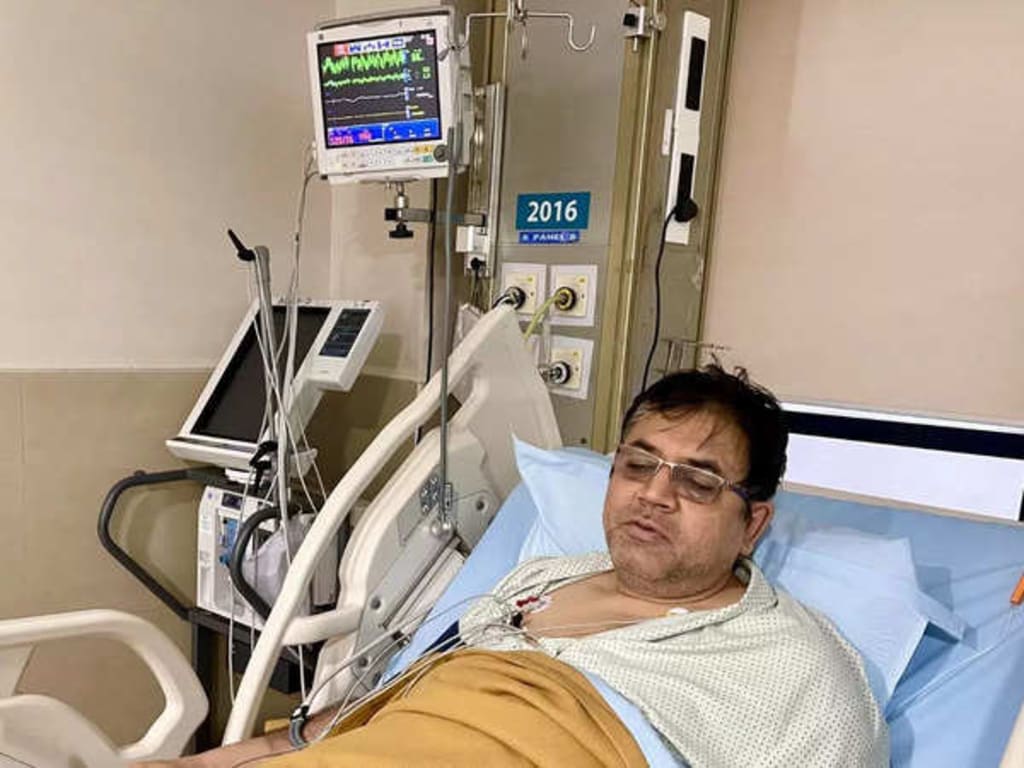
In today’s fast-paced professional world, the debate between prioritizing work or health is never-ending. For Amit Mishra, a Bengaluru-based CEO, this debate became a life-changing reality after a sudden health crisis landed him in the ICU. His story serves as a stark reminder that no career goal is worth sacrificing your well-being.
A Sudden Health Crisis: From Routine Work to ICU
On a regular Saturday afternoon, Amit Mishra, founder and CEO of a tech company in Bengaluru, was working casually on his laptop. Without warning, he experienced a severe nosebleed. What started as a minor trickle quickly turned into a frightening scene—blood soaked through a thick cotton cloth and filled the washbasin. Mishra rushed to the hospital, where doctors struggled to stop the bleeding.
The situation worsened when his blood pressure skyrocketed to 230/130, a dangerously high level. Shockingly, Mishra had no prior symptoms like headaches or dizziness. Doctors admitted him to the ICU immediately. The next morning, his blood pressure plummeted, causing him to faint. Despite extensive tests—ECGs, cholesterol checks, and even an angiography—the root cause of his blood pressure spikes remained unclear. All other results were normal, leaving doctors puzzled.
Lessons from the ICU: Health Comes First
After four days in the hospital, Mishra returned home with a new perspective. In a heartfelt LinkedIn post, he shared key lessons from his ordeal:
1.Your Body Doesn’t Always Warn You
Mishra stressed that health emergencies can strike without obvious signs. Many assume symptoms like headaches or fatigue will signal a problem, but this isn’t always true. Regular check-ups are crucial to catch hidden issues early.
2.Never Ignore Minor Symptoms
Even small signs—like occasional dizziness or unexplained tiredness—shouldn’t be brushed aside. Mishra admitted he’d overlooked minor discomforts while focusing on work.
3.Prepare for Emergencies
Knowing basic first aid, having emergency contacts ready, and acting quickly during a crisis can save lives. Mishra credits his swift response and the hospital’s efficiency for preventing a worse outcome.
4.Health Is Non-Negotiable
“Work is important, but health is non-negotiable,” Mishra wrote. He urged professionals to set boundaries, take breaks, and avoid glorifying overwork.
Public Response: A Call for Lifestyle Changes
Mishra’s post resonated deeply online. Thousands wished him a speedy recovery and praised his courage in sharing the story. Many professionals related to his experience, sparking discussions about work culture and health:
- Movement Matters
Users highlighted the importance of physical activity, especially for desk-bound workers. Simple habits like stretching, walking, or yoga can reduce long-term health risks. - Sleep and Diet Are Key
Comments emphasized prioritizing 7–8 hours of sleep and nutritious meals over late-night work sessions or junk food. - Prevention Over Cure
Several pointed out that relying on health insurance isn’t enough. Proactive steps—like routine tests and stress management—are essential to avoid emergencies. - Mental Health Matters Too
The discussion expanded to include burnout and anxiety. Users stressed that mental and physical health are interconnected, urging employers to support work-life balance.
Mishra’s Road to Recovery
Currently resting at home, Mishra is following doctors’ orders to avoid stress and focus on recovery. Though the cause of his health scare remains unknown, he’s committed to regular check-ups and lifestyle changes. He expressed gratitude for the medical team’s quick action and the support from loved ones.
Final Thoughts: Don’t Wait for a Wake-Up Call
Amit Mishra’s story isn’t unique. Many professionals, especially in high-pressure industries like tech, neglect their health until it’s too late. His experience underscores critical truths:
- Routine Check-Ups Save Lives
Annual health screenings can detect issues like hypertension or cholesterol imbalances early, even if you feel fine. - Small Daily Choices Add Up
Hydration, short walks, and mindful eating cost little time but offer huge long-term benefits. - Work Culture Needs to Change
Companies must encourage employees to take breaks, use vacation days, and seek help when overwhelmed.
The Bottom Line
Amit Mishra’s terrifying ordeal is a wake-up call for everyone. In a world where “hustle culture” often glorifies sacrificing sleep and health for success, his message is clear: Your career can’t thrive if your body breaks down. Prioritizing health isn’t a luxury—it’s the foundation of a fulfilling, sustainable life. As Mishra wisely advises, “Don’t wait for a crisis to start caring for yourself.”
Whether you’re a CEO, a freelancer, or a student, remember: no deadline, promotion, or project is worth risking your well-being. Listen to your body, take those health check-ups seriously, and make self-care a non-negotiable part of your routine. After all, you can’t pour from an empty cup.
About the Creator
Akrang Raja
Welcome! Explore health 🩺 & business finance 💼 articles. Expert advice, actionable insights. Simplify money management, boost productivity, achieve wellness. Trusted content for your goals. Follow for regular updates!
Keep reading
More stories from Akrang Raja and writers in Longevity and other communities.
Measles Outbreak Spreads: Tennessee Reports 4 Cases Amid National Rise
The Tennessee Department of Health confirmed three new measles cases this week, raising the state’s total to four. This comes as part of a larger national outbreak, with the Centers for Disease Control and Prevention (CDC) reporting 483 cases across 20 states and cities. Here’s what you need to know about the growing health concern.
By Akrang Raja 11 months ago in Longevity
The Best Time To Eat Breakfast for Blood Sugar and Energy
Eating breakfast within 1–2 hours of waking up can help support blood sugar and provide energy and nutrients to start your day. Eating breakfast at a consistent time is important. Changing meal times can disrupt the body’s internal clock, which helps regulate blood sugar. A balanced breakfast with complex carbs, protein, and healthy fats helps support blood sugar.
By Good health to everyone43 minutes ago in Longevity
How Adult Nutrition Can Improve Energy, Confidence, and Performance
When people talk about health, they often focus on fitness, weight loss, or muscle gain. But one important topic is often overlooked—adult nutrition and how it impacts intimacy, energy, and confidence.
By Being Inquisitiveabout 6 hours ago in Longevity



Comments
There are no comments for this story
Be the first to respond and start the conversation.