

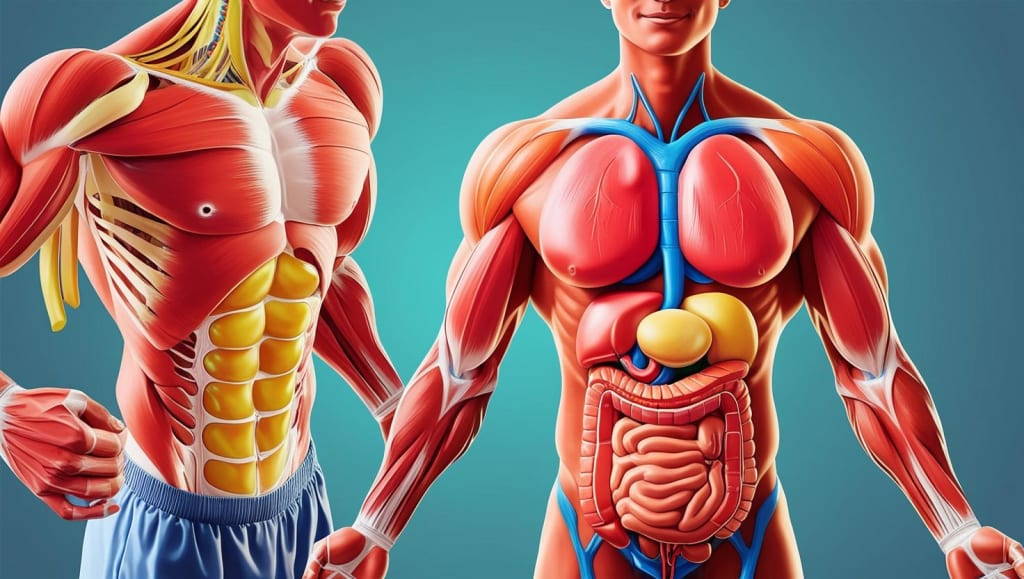
The Body’s Natural Ability to Heal Itself: Unlocking the Wisdom Within
The human body is a masterpiece of biological engineering. Beneath the surface of skin, bone, and muscle lies an astonishingly complex system designed not only to survive but to *heal*. While modern medicine often takes center stage in our understanding of recovery, it's easy to forget that the body itself is inherently intelligent — equipped with mechanisms to repair, regenerate, and restore balance long before we intervene with pills, surgeries, or therapies.
But what exactly does it mean when we say the body can “heal itself”? How does it happen? And how can we support — rather than sabotage — this natural process?
Let’s take a deeper look at the body’s intrinsic healing power, and how you can harness it to live a healthier, more vibrant life.
Innate Intelligence: The Built-In Healing System
The body’s ability to heal is not something learned — it’s something *inherent*. From the moment of conception, cells know how to divide, differentiate, and organize into complex systems. This same intelligence continues throughout your life, orchestrating recovery after injury, regulating internal balance (homeostasis), and protecting against disease.
Some examples of self-healing in action include:
- A **cut** on the skin closing and forming a scar
- A **broken bone** realigning and fusing without any conscious effort
- The **immune system** fighting off pathogens like viruses or bacteria
- **Liver regeneration** after damage or surgery
- The **gut lining** renewing itself every few days
Every second, your body is monitoring, correcting, and restoring itself — often without you even noticing.
The Immune System: The Guardian of Healing
Central to the body’s self-repair capabilities is the **immune system** — a vast network of cells, tissues, and organs that defend against invaders and facilitate healing. When you get a cut, for instance, immune cells immediately rush to the site to prevent infection, clear debris, and signal the beginning of tissue repair.
Key players include:
- **White blood cells** that identify and destroy pathogens
- **Cytokines** that signal repair and inflammation responses
- **Macrophages** that clean up damaged cells
- **T-cells and B-cells** that provide adaptive immunity for future protection
A balanced immune response is crucial — too weak, and you’re vulnerable; too strong, and it can lead to chronic inflammation or autoimmune conditions. Supporting immune health through rest, nutrition, and stress reduction is key to enhancing the body’s healing potential.
Neuroplasticity: The Brain’s Ability to Rewire
Healing isn’t limited to wounds and illnesses — it also happens in the brain. **Neuroplasticity** is the brain’s remarkable ability to reorganize and form new neural connections, especially after trauma like a stroke or injury.
This means:
- Lost functions (like speech or movement) can be re-learned
- Damaged pathways can be bypassed by creating new ones
- Habits, thoughts, and emotions can be rewired for healing
Therapies like cognitive rehabilitation, meditation, visualization, and even learning new skills can stimulate neuroplastic healing. Your brain is always changing — and you can influence the direction of that change.
The Healing Power of Sleep
One of the most powerful — yet often overlooked — healing tools is **sleep**. During sleep, the body performs essential maintenance:
- **Cellular repair** and growth
- **Hormone regulation** (especially growth hormone and melatonin)
- **Brain detoxification** via the glymphatic system
- **Memory consolidation** and emotional processing
Chronic sleep deprivation weakens the immune system, delays wound healing, and increases the risk of chronic diseases. On the other hand, quality sleep accelerates recovery and enhances mental clarity, mood, and resilience.
Supporting natural healing often starts with something as simple — and radical — as getting enough rest.
The Role of Inflammation: Friend or Foe?
Inflammation often gets a bad rap, but it’s a **vital part** of the healing process. Acute inflammation is the body’s response to injury or infection — it brings immune cells to the site, removes harmful agents, and initiates repair.
However, when inflammation becomes **chronic**, it turns destructive, contributing to conditions like arthritis, diabetes, heart disease, and even cancer.
To support the body’s healing:
- Embrace anti-inflammatory foods (berries, fatty fish, turmeric, leafy greens)
- Avoid pro-inflammatory triggers (processed sugar, refined carbs, trans fats)
- Manage stress (which drives up cortisol and inflammatory markers)
- Get regular movement (exercise reduces systemic inflammation)
When you reduce unnecessary inflammation, you clear the path for your body to heal more efficiently.
Nutrition: Fueling Regeneration
What you eat literally becomes the building blocks of your cells, hormones, neurotransmitters, and enzymes. Healing can’t happen without the raw materials your body needs to regenerate.
Key nutrients for natural healing include:
- **Vitamin C** – essential for collagen production and immune function
- **Vitamin D** – modulates immune response and inflammation
- **Zinc** – important for wound healing and DNA repair
- **Omega-3 fatty acids** – powerful anti-inflammatory agents
- **Protein** – provides amino acids needed for tissue repair
Whole foods, especially fruits, vegetables, quality proteins, and healthy fats, supply the vitamins and minerals necessary for the body to do what it was designed to do: repair itself.
The Mind-Body Connection: Healing Through Emotion
Science continues to affirm what ancient systems like Ayurveda and Traditional Chinese Medicine have known for centuries: **your thoughts, emotions, and beliefs profoundly impact your physical health**.
Stress, trauma, and negative thinking patterns can suppress immune function, disrupt digestion, increase inflammation, and slow healing.
Conversely, practices that improve mental and emotional well-being — such as:
- **Meditation**
- **Gratitude journaling**
- **Therapy**
- **Deep breathing**
- **Spending time in nature**
— can activate the parasympathetic nervous system, promoting rest, digestion, and repair. This state is often referred to as the **“healing mode.”**
Movement and Exercise: Stimulating Regeneration
Exercise isn’t just for fitness — it’s a healing tool. Physical activity:
- Improves circulation (delivering oxygen and nutrients to tissues)
- Boosts lymphatic drainage (clearing toxins)
- Strengthens bones and muscles
- Releases endorphins (natural painkillers and mood enhancers)
Even gentle forms of movement — like yoga, walking, or tai chi — stimulate natural healing without overstressing the body.
The key is consistency and listening to your body’s cues. Too little movement stagnates healing; too much can hinder recovery.
Listening to the Body: Healing as a Relationship
The body constantly sends signals — hunger, fatigue, pain, discomfort, tightness, energy shifts. Learning to **listen** to these messages can guide your healing process.
Ignoring your body’s cues in favor of pushing through stress, skipping meals, or numbing symptoms often backfires. Healing begins when you respect your body’s natural rhythms and responses.
Tuning in can involve:
- **Mindfulness practices**
- **Body scans**
- **Rest when needed**
- **Recognizing emotional patterns**
Healing isn’t something that happens *to* you — it’s something you can *partner with*.
Supporting vs. Suppressing: A Shift in Mindset
Too often, we approach health by trying to silence symptoms — pain, fever, fatigue — rather than understanding their role in the healing process. While symptom relief has its place, it’s important to ask:
Why is this happening? What is my body trying to tell me?
Instead of fighting the body, support it:
- Choose nourishment over restriction
- Allow rest instead of resisting it
- Embrace healing practices that align with nature
True health isn’t the absence of symptoms — it’s the presence of balance, vitality, and resilience.
Conclusion: The Miracle of Self-Healing
The body’s natural ability to heal itself is one of the most awe-inspiring aspects of being human. While modern medicine can offer incredible interventions, it is the body’s *own* wisdom that does the heavy lifting — closing wounds, regenerating tissue, recalibrating systems, and keeping you alive every single day.
By nurturing your immune system, feeding your cells, quieting your mind, and trusting your body, you can unlock the full potential of self-healing — a power that’s been within you all along.
Because healing isn’t just something that happens.
It’s something your body *knows* how to do.
About the Creator
Gabriela Tone
I’ve always had a strong interest in psychology. I’m fascinated by how the mind works, why we feel the way we do, and how our past shapes us. I enjoy reading about human behavior, emotional health, and personal growth.
Keep reading
More stories from Gabriela Tone and writers in Longevity and other communities.
The Rhythm of Little Stars
The Rhythm of Little Stars A Journey to Finding the Perfect Baby Schedule When Emma first brought baby Oliver home from the hospital, she thought she was ready. She had read the books, joined the forums, listened to every piece of advice from mothers, grandmothers, neighbors, and strangers in grocery store lines. "Sleep when the baby sleeps," they said. "Feed on demand." "Let them cry it out." "Never let them cry it out."
By Gabriela ToneExclusive • 11 months ago
The Connection Between ADHD and Genetics.
Commentary An Impulsive Gene? My youngest son jumps from one task to another. Ask him to clean his room, he eventually quits because he becomes fixated on something. He can’t sit still for long. On the other hand, when he’s doing something he likes, he is fixated on it, sometimes barely taking in his surroundings or listening to others.
By Dean Traylorabout 9 hours ago in Longevity
Calling vs Income
There is a tension that never quite goes away once it has been seen clearly, and it sits at the intersection of calling and survival. Some forms of work feel unquestionably meaningful, even necessary, yet remain economically fragile or entirely unsupported. Other forms of work provide stability, predictability, and income, while feeling hollow or misaligned with who a person actually is. Once this divide becomes visible, it is difficult to unsee, and even harder to navigate honestly without resentment creeping in.
By Peter Thwing - Host of the FST Podcasta day ago in Longevity
A More Human Vocal
When we launched Vocal nearly a decade ago, the world was a very different place. LLMs did not exist, and stories were created one at a time by people sitting down to write, revise, and share something personal. Many of our assumptions about publishing, trust, and participation were built for a world where effort and output were inseparable.
By Justin @ Vocal3 days ago in Resources


Comments
There are no comments for this story
Be the first to respond and start the conversation.