
Hay Fever Relief: 20 Doctor-Approved Tips to Beat Allergies This Summer
Struggling with itchy eyes, sneezing, and blocked sinuses? Discover 20 expert-backed strategies to manage hay fever and enjoy the season symptom-free.

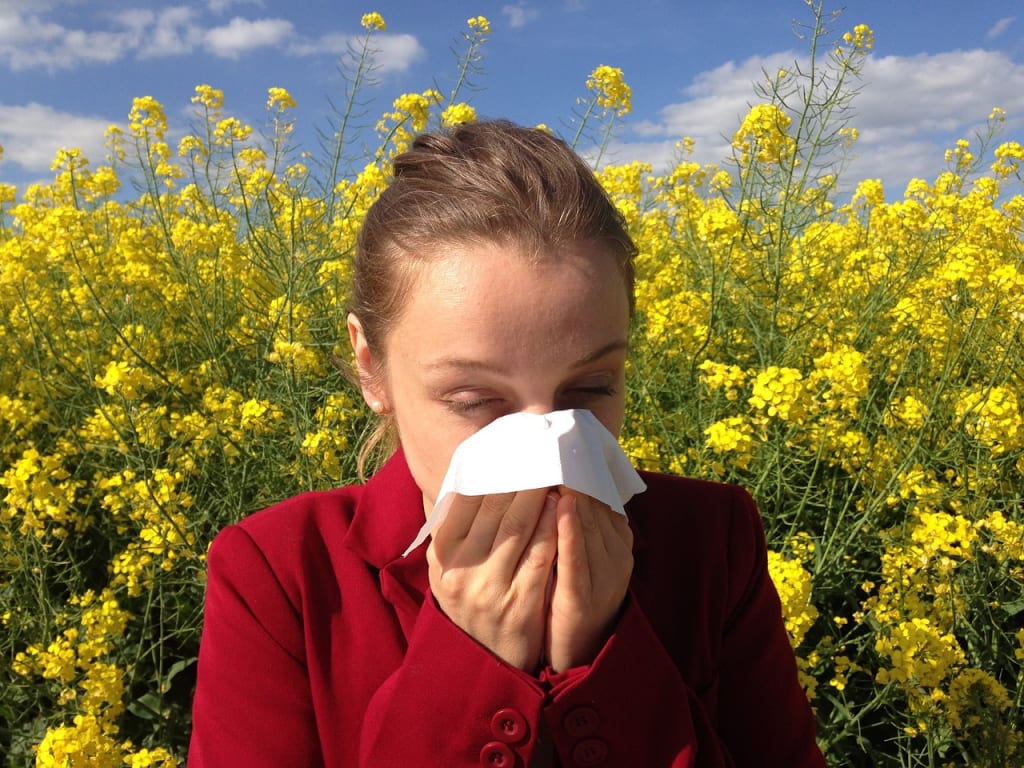
Do you dread the sunny season because of sneezing, itchy eyes, and a stuffy nose? Hay fever, also known as allergic rhinitis, affects millions, especially during high pollen seasons. But don't worry—experts and allergy doctors have shared their best advice to help you beat hay fever and breathe easy again.
What Is Hay Fever?
Hay fever is an allergic reaction caused by pollen from trees, grass, and weeds. It leads to inflammation in your nose, eyes, and throat. You may feel itchy, sneezy, congested, or have watery eyes. It’s not something you’re born with—it can develop later in life, even in your 20s or 30s.
Why Hay Fever Is Getting Worse
Thanks to climate change, plants are producing more pollen. This makes hay fever season start earlier and last longer. According to doctors, about 25% of adults in the UK have a pollen allergy—and that number is rising.
Common Symptoms of Hay Fever
- Sneezing
- Itchy eyes, throat, and ears
- Runny or blocked nose
- Watery eyes
- Tiredness
- Facial swelling in severe cases.
If you're unsure whether it's hay fever or a cold, remember: colds don’t cause itching. Try taking an antihistamine—if your symptoms improve, it's likely an allergy.
Know When Hay Fever Strikes
The type of pollen you’re allergic to matters:
- Tree pollen: Late January to April
- Grass pollen: April to July
- Weed pollen: Late summer into autumn
Some people are unlucky enough to be allergic to all three types.
Hay Fever Can Affect Your Daily Life
Hay fever doesn’t just make you feel miserable. It can also impact your sleep, mood, focus, and even academic performance. Kids with severe hay fever may perform worse in summer exams compared to their winter mock exams.
Simple Lifestyle Changes That Help
Doctors recommend these easy habits to reduce exposure to pollen: - Keep windows shut during high pollen times.
- Dry clothes indoors to avoid pollen sticking to them.
- Shower and change clothes after spending time outside.
- Use an air filter in your bedroom.
- Change pillowcases daily.
Apply a small amount of petroleum jelly around your nostrils to catch pollen.
Choosing the Right Medication
1. Antihistamines
These block histamine, which causes allergy symptoms. Choose non-drowsy options like cetirizine, loratadine, or fexofenadine. Avoid older types like chlorphenamine (Piriton), which can make you sleepy.
2. Nasal Sprays
Steroid nasal sprays reduce inflammation. Start using them two weeks before pollen season. For best results, rinse your nose with saltwater first. Aim the spray away from the center of your nose and don’t sniff after spraying—it’s meant to stay in your nose, not be swallowed.
3. Combination Sprays
Some sprays include both steroids and antihistamines. Many people find them more effective.
4. Generic Medications
You don’t need to buy expensive brands. Generic versions have the same active ingredients and are much cheaper.
Still Struggling? Talk to Your GP
If over-the-counter options don’t work, ask your GP about immunotherapy. This treatment involves taking small doses of pollen under the tongue, starting months before pollen season. Over time, it trains your immune system to stop reacting so strongly.
In severe cases, a short course of oral steroids may help—especially if you have exams or important events. But avoid steroid injections like Kenalog, which can cause serious side effects.
How to Dress for Pollen Protection
Wear wraparound sunglasses and a wide-brimmed hat to keep pollen out of your eyes and face. In high-risk areas, consider wearing an FFP3 mask, which has been shown to reduce allergy symptoms.
Natural Remedies: What Works and What Doesn’t
Many people suggest eating local honey, but doctors say it won’t help. The pollen in honey comes from flowers, not the trees and grasses that cause hay fever.
Supplements like quercetin are sometimes marketed as natural antihistamines, but there’s little clinical evidence to support them. If you try them, make sure to consult a healthcare provider first.
Watch the Weather and Pollen Forecast
Warm, windy days are the worst for hay fever. High pollution levels can make symptoms even worse. Check daily pollen forecasts and plan your outdoor activities accordingly. On high pollen days, avoid grassy parks and try visiting the coast, where the air is usually clearer.
Stay Safe During Thunderstorms
Surprisingly, some thunderstorms can break pollen into tiny particles that enter deep into your lungs, triggering asthma-like symptoms. During or right after a storm, stay indoors, close your windows, and wear a mask if you must go out.
Be Understanding—And Ask for It, Too
Hay fever can be exhausting. People often underestimate how miserable it feels. If you don’t suffer from it, try to be compassionate. And if you do, don’t hesitate to ask friends or family to mow the lawn before you visit.
Final Thoughts
Hay fever may be common, but it doesn’t have to take over your summer. With the right approach—smart habits, proper medication, and awareness—you can take control of your symptoms and enjoy the season again.
About the Creator
Akrang Raja
Welcome! Explore health 🩺 & business finance 💼 articles. Expert advice, actionable insights. Simplify money management, boost productivity, achieve wellness. Trusted content for your goals. Follow for regular updates!
Keep reading
More stories from Akrang Raja and writers in Longevity and other communities.
Effective and Sustainable Weight Loss: Finding the Right Approach for You
America’s struggle with weight is no secret. Nearly 75% of adults face challenges with being overweight or obese, according to the CDC. Despite millions investing time and money into diets each year, lasting success remains elusive for many. The truth is, sustainable weight loss isn’t about quick fixes or extreme restrictions—it’s about creating a personalized, balanced lifestyle that you can maintain long-term. Let’s explore practical strategies to help you achieve your goals.
By Akrang Raja 11 months ago in Longevity
The Porcelain Protocol: Engineering Perfection in the Middle Kingdom
In the shimmering high-rises of Chengdu and the bustling tech hubs of Shenzhen, a new kind of industrial revolution is taking place—one that isn't measured in steel output or software exports, but in the precise millimeters of a double-eyelid crease and the sharp angle of a "V-line" jaw. China has rapidly evolved into the world’s most sophisticated laboratory for cosmetic transformation. What was once a hushed medical necessity or a luxury for the cinematic elite has transformed into a standardized, multi-billion-dollar rite of passage for the modern Chinese woman. To understand this phenomenon is to peel back the layers of a society caught between ancient physiognomy and a hyper-competitive digital future.
By yusuf selho7 days ago in Longevity
Microsoft's Purposeful Marketing Deception About AI's Ability To Beat Physicians In Diagnosis
When you look at the world of scientific research... If you are not careful... You will be fooled into believing things that are not actually supported by the data.
By Dr. Cody Dakota Wooten, DFM, DHM, DAS (hc)a day ago in Longevity



Comments
There are no comments for this story
Be the first to respond and start the conversation.