
Female Fertility | Desire to have a child and ways to increase women's fertility
Female Fertility


Female fertility is determined by a variety of factors including age, lifestyle, and medical history. Age is one of the most important factors in determining female fertility. As a woman ages, her fertility declines. This is due to a decrease in the number of eggs available for fertilization, as well as a decrease in the quality of eggs that remain. Lifestyle factors such as smoking, drinking, poor diet, and stress can also have an effect on female fertility. Medical history can also influence fertility, as some conditions such as endometriosis or polycystic ovary syndrome can make it more difficult for a woman to conceive.
In order to maximize female fertility, it is important for women to maintain a healthy lifestyle, including a balanced diet, regular exercise, and stress management. Additionally, women should talk to their healthcare providers about any medical conditions they may have that could affect their fertility. Finally, women should be aware of their age and the impact it can have on fertility. If a woman is considering trying to conceive, it is important to do so sooner rather than later, as fertility decreases with age.
Female fertility age 50

The chances of a woman over the age of 50 becoming pregnant naturally are extremely low. According to the American Society for Reproductive Medicine, the chances of a 50-year-old woman conceiving naturally are approximately 1%. However, with the assistance of reproductive technologies such as in vitro fertilization (IVF), the chances of becoming pregnant can be improved. It is important to note that fertility decreases significantly with age, and the risks associated with pregnancy at an older age also increase.
Foods to incorporate into your diet to boost your fertility
1. Lean proteins - Lean proteins such as fish, chicken, eggs, and legumes are a great way to boost your fertility. They provide essential vitamins and minerals that help promote healthy sperm production.
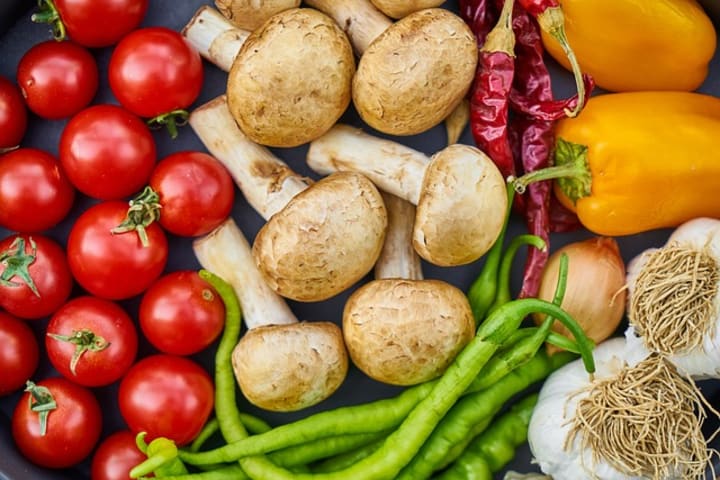
2. Healthy fats - Healthy fats such as olive oil, nuts, avocados, and seeds are packed with essential fatty acids that can help improve fertility.
3. Dark, leafy greens - Dark, leafy greens are full of folate, which is important for fertility health. Eating plenty of spinach, kale, and other dark, leafy greens can help boost your fertility.
4. Whole grains - Whole grains provide essential vitamins and minerals that can help boost fertility. Quinoa, brown rice, and oats are all good choices.
5. Berries - Berries are packed with antioxidants that can help improve your fertility. Eating a variety of berries can help you get the vitamins and minerals you need to promote fertility.
6. Citrus fruits - Citrus fruits are high in vitamin C, which can help improve fertility. Eating oranges, grapefruits, limes, and lemons can provide your body with the nutrients it needs to promote fertility.
7. Leg
What is the best supplement for female fertility?

Depending on the person's needs, the optimal dietary supplement for female fertility will vary. However, some of the supplements that are frequently suggested are Coenzyme Q10, iron, folic acid, zinc, vitamin B6 and B12, omega-3 fatty acids, and vitamins B6 and B12. Also helpful for enhancing fertility may be herbal supplements like chasteberry, red raspberry leaf, and maca root. Before taking any supplements, it's crucial to consult a doctor because some of them could mix negatively with prescription drugs or have undesirable side effects.
How can you increase your potential for pregnancy?
1. Manage any existing health conditions. Certain conditions, such as polycystic ovary syndrome (PCOS), can affect fertility. If you have a condition that could affect your ability to conceive, work with your doctor to develop a plan for managing it.
2. Maintain a healthy lifestyle. Eating a balanced diet, exercising regularly, and avoiding smoking and excessive alcohol consumption can help improve your overall health and your chances of getting pregnant.
3. Track your cycles. Knowing when you ovulate can help you time intercourse correctly. You can track your cycles with an app, ovulation predictor kits, or by tracking your basal body temperature.
4. See a fertility specialist. Seeing a fertility specialist can help you identify any issues that may be preventing you from getting pregnant.
5. Use ovulation-stimulating medications. Your doctor may prescribe medications such as clomiphene citrate to help you ovulate.
6. Try intrauterine insemination (IUI). This involves placing sperm directly into the uterus. This can increase the chance of conception if there are issues with the sperm or if you have difficulty conceiving due to infertility.
7. Consider in vitro
Best fertility medications to conceive
To help women conceive safely and naturally, NuviaLab Female Fertility is a full line of fertility-related health products. Products are designed to provide the best care to women who are trying to get pregnant. Products provide a quick and easy way to understand and manage your fertility, from tracking ovulation to helping you decide when it's best to try for a child. With the use of a number of natural, non-invasive fertility solutions, you may make decisions about your fertility health and progress toward achieving your fertility goals.
Natural support for female fertility
NuviaLab Female Fertility, a blend of 19 premium plant extracts, vitamins, and minerals, aids women in their efforts to conceive. The supplement contains ingredients that:

• Aid in maintaining regular fertility;
• Promote the continuance of healthy sexual activity;
• Take part in cell division;
• Lessen feelings of exhaustion and fatigue-related sensations.
In your future days as a mother, we wish you much love and happiness. Congratulations!
Day 4 of Quitting
If this is how sobriety feels, maybe it’s better to go through life a little buzzed… this, along with other hits like, I want to kill myself, I wish I was dead, and I’m going to throw myself off a bridge have been the only thoughts on rotation these past few days. I promise myself that if, in a month, I still feel like this (‘this’ meaning despondent, full of rage, and simultaneously numb) I can go back to smoking. Until mid-February though? Nicotine is off the table.
By sleepy drafts12 days ago in Longevity
More Than 5 Million Native Plants Reintroduced in Deserts Are Slowing Land Degradation and Rebooting Arid Ecosystems
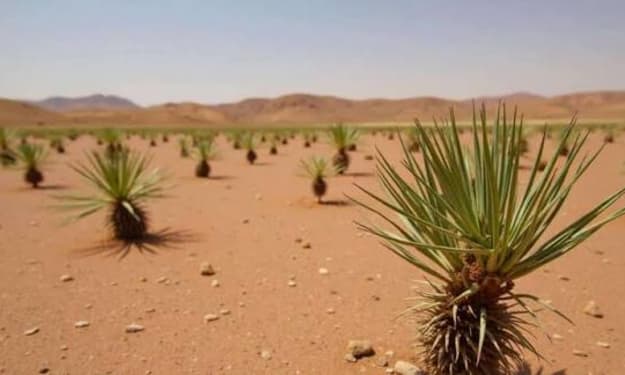
Deserts are often seen as barren, unforgiving landscapes, but they are far from lifeless. These ecosystems, while harsh, support unique biodiversity and provide critical environmental services, from carbon sequestration to regulating local climates. Yet, decades of overgrazing, unsustainable land use, and climate change have taken their toll, leaving many arid regions struggling with soil erosion, loss of native vegetation, and diminished ecological resilience. Now, a bold rewilding effort is turning the tide: over five million native plants have been reintroduced into deserts worldwide, and the early results are promising. The scale of the initiative Across regions from the deserts of the Middle East and North Africa to the arid plains of Australia and North America, conservation organizations, local communities, and governments have collaborated to replant native species that were once nearly wiped out. These plants range from hardy shrubs and grasses to iconic desert flowers, all carefully selected for their ability to survive in extreme conditions and restore ecological balance. The numbers are staggering: more than 5 million individual plants have been transplanted over the last five years, covering thousands of hectares. While this effort is labor-intensive, involving soil preparation, irrigation during establishment phases, and ongoing monitoring, the environmental payoff has been remarkable. Slowing land degradation One of the primary goals of these reintroductions is to combat land degradation, a process that affects over 40% of the planet’s land surface. In deserts, degradation is particularly acute because soil erosion occurs rapidly in the absence of stabilizing vegetation. Without plants to anchor the soil, wind and water can strip away fertile topsoil, creating a feedback loop of declining vegetation and worsening erosion. Early monitoring reports suggest that reintroduced native plants are helping to stabilize sandy soils and reduce the spread of desertification. In some areas of the Middle East, for instance, wind erosion rates have decreased by up to 30% in regions where shrubs and grasses were replanted. This stabilization not only benefits the environment but also local communities that rely on the land for grazing, agriculture, and other livelihoods. Rebooting arid ecosystems Beyond slowing soil loss, these plant reintroductions are rebooting entire desert ecosystems. Deserts are home to a diverse array of wildlife, including insects, birds, and mammals that rely on native plants for food and shelter. By re-establishing vegetation cover, these efforts have triggered a cascade of ecological benefits. In parts of the Sonoran Desert in North America, researchers observed a noticeable increase in pollinator populations, such as bees and butterflies, following the reintroduction of native flowering plants. Similarly, small mammals and reptiles that had disappeared from degraded areas are gradually returning, attracted by improved habitat structure and food availability. Climate resilience Another key advantage of reintroducing native plants is enhancing climate resilience. Many desert plants are adapted to survive extreme heat, drought, and poor soils. By re-establishing these species, ecosystems can better withstand climate-related stresses, such as prolonged droughts or extreme heatwaves. Additionally, some species improve soil moisture retention and reduce surface temperatures, creating microclimates that further support biodiversity. Community engagement and knowledge transfer What makes these rewilding efforts particularly successful is the integration of local communities. Indigenous knowledge about native species, planting techniques, and seasonal cycles has been invaluable. In some regions, schools and community groups participate in planting days, turning conservation into a source of pride and education. This engagement ensures that restored areas are maintained, monitored, and valued over the long term. Looking ahead While the reintroduction of five million native plants is a significant achievement, experts caution that long-term success requires continued investment, monitoring, and protection from overgrazing, development, and climate pressures. However, the initiative provides a compelling example of how targeted, science-backed restoration can reverse environmental damage. For arid ecosystems, these efforts are more than just planting trees and shrubs—they represent hope. They demonstrate that even the most fragile landscapes can recover when humans actively collaborate with nature, restoring not only plants but the entire web of life that depends on them. As the world grapples with climate change and land degradation, the lessons from these desert rewilding projects offer a blueprint for action: by investing in native biodiversity, we can slow degradation, rebuild ecosystems, and create landscapes that are resilient, productive, and teeming with life once again.
By Fiaz Ahmed Brohi5 days ago in Longevity
Wild Card Weekend Recap: What Happens Now?
I think I figured out why I love Wild Card Weekend so much. It's because it's the first playoff anything of the calendar year. The NFL season starts in the fall, and once upon a time, the champion was crowned either on or slightly before New Year's. The evolution of the NFL schedule has resulted in the playoffs starting just into the New Year, and currently, the final week of the season falls on the first weekend of the New Year, with Wild Card Weekend coming a week after that. So yes, chronologically, the NFL's Wild Card Weekend serves as the first playoff anything of the calendar year.
By Clyde E. Dawkins7 days ago in Unbalanced



Comments
There are no comments for this story
Be the first to respond and start the conversation.