
FaceAge AI & How Your Selfie Could Predict Cancer Survival
Exploring the Future of AI-Driven Health Diagnostics Through Facial Analysis

What Is FaceAge AI?
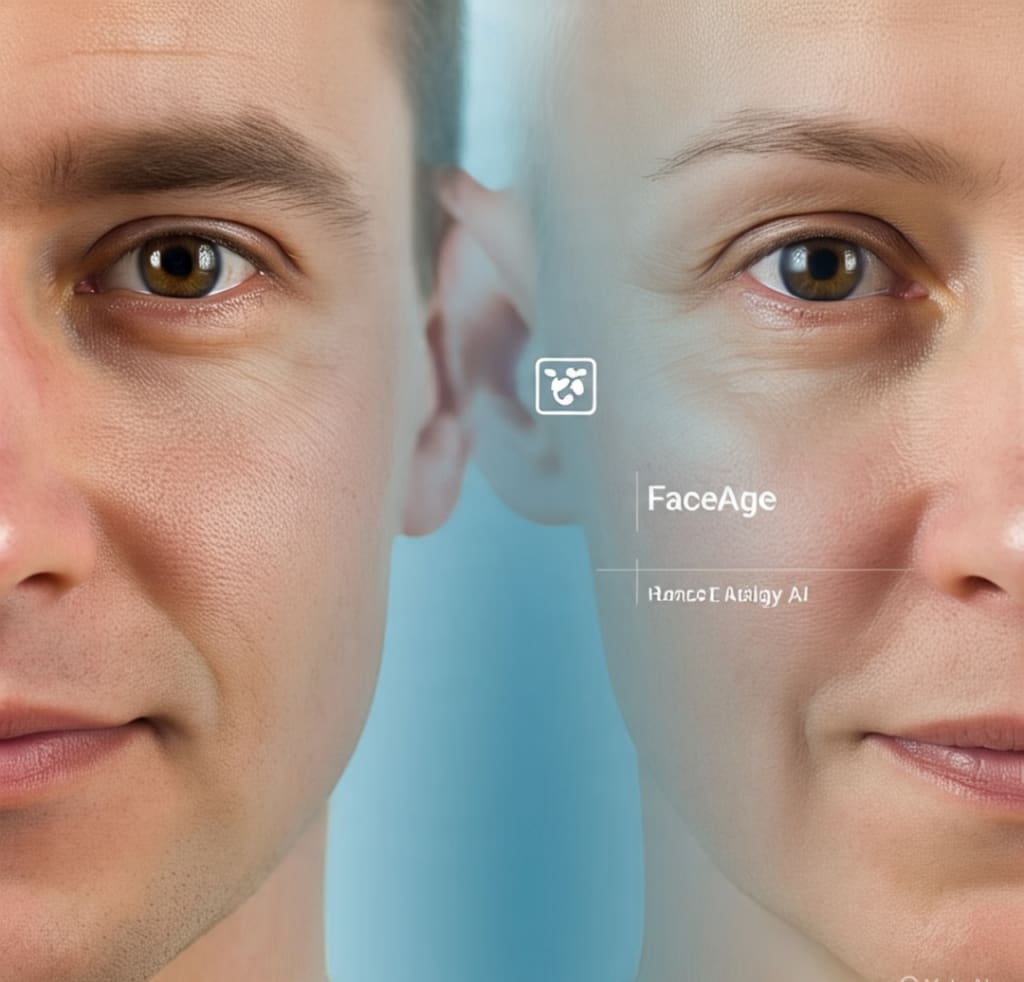
FaceAge AI is an advanced facial recognition tool developed by researchers and data scientists to estimate a person’s biological age based on the visual markers in a selfie. Unlike chronological age (the number of years you’ve been alive), biological age reflects how “old” your body really is—factoring in genetics, lifestyle, disease risk, and environmental exposures.
What makes FaceAge unique is its potential to serve as a non-invasive, predictive tool in clinical settings. By analyzing subtle facial markers, such as skin texture, bone structure, wrinkles, and facial asymmetries, the AI can assess aging processes that may not be visible to the human eye.
How It Works: The Science Behind the Selfie
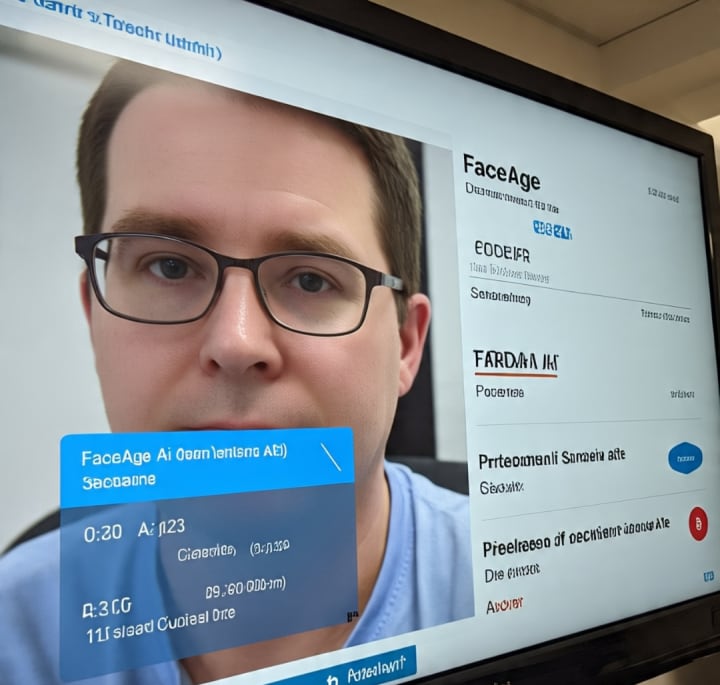
Using thousands of high-resolution images and medical records, the developers trained FaceAge’s deep learning model to correlate facial features with biological aging markers. These include:
Skin elasticity and hydration levels
Eye and cheekbone positioning
Facial fat distribution
Fine lines and wrinkle depth
Symmetry and facial muscular tone
What’s impressive is that FaceAge AI can identify early signs of accelerated aging, which are often linked to chronic illnesses—including various types of cancer. By comparing your selfie to the massive database it’s trained on, the tool generates an estimated biological age score.
The Link Between Biological Age and Cancer Survival
Researchers have long known that biological age is a better predictor of health outcomes than chronological age, especially in diseases like cancer. Someone who is 55 years old chronologically may have the biological age of a 65-year-old, depending on their lifestyle, stress levels, and overall health.
A study conducted by the University of Pittsburgh showed that FaceAge scores were strongly correlated with cancer patient survival rates. Patients whose FaceAge score was significantly older than their actual age were more likely to have worse outcomes. This is because biological aging reflects how well the body can recover from illness, tolerate treatment, and fight disease.
This makes FaceAge a valuable triage tool in oncology and other areas of personalized medicine.
Benefits of FaceAge AI in Healthcare
1. Early Risk Detection
FaceAge could become a first-line screening tool for aging-related conditions—such as heart disease, diabetes, and cancer—before symptoms appear.
2. Personalized Treatment Plans
Knowing a patient’s biological age allows doctors to customize treatment intensity. A biologically older patient might need a different approach than a younger one, even if their chronological ages are the same.
3. Non-Invasive Monitoring
Because it only requires a photo, FaceAge is non-invasive, fast, and inexpensive, making it ideal for telemedicine and remote diagnostics.
4. Improved Prognostic Accuracy
For oncologists, adding FaceAge data to traditional cancer staging could enhance survival predictions and treatment outcome forecasting.
Ethical Questions and Limitations
As with any AI in healthcare, ethical concerns exist:
Privacy: What happens to the facial data after analysis?
Bias: Is the tool equally accurate across different races, genders, and ages?
Overreliance: Could doctors place too much trust in AI-generated scores?
Moreover, while promising, FaceAge is still undergoing clinical validation and is not yet a standalone diagnostic tool. It works best when used alongside traditional medical tests and professional judgment.
The Future of AI and Selfie Diagnostics
FaceAge is part of a broader movement toward AI-powered health diagnostics. Similar tools are being developed to:
Detect heart disease from voice recordings
Monitor blood pressure through smartphone cameras
Predict mental health trends from facial expressions
As these technologies advance, your face could soon become your most powerful health monitor. The shift from invasive testing to visual diagnostics will make healthcare more accessible and proactive.
Final Thoughts
FaceAge AI offers a glimpse into a future where a simple selfie could help predict your risk of disease, personalize your treatment, and potentially extend your life. While still in development, its applications in cancer survival prediction and beyond are both exciting and transformative.
As we continue to embrace AI in healthcare, tools like FaceAge may redefine how we view aging, illness, and wellness—one face at a time.
FaceAge AI, biological age vs chronological age, cancer survival prediction, facial recognition health technology, AI in healthcare, AI diagnostics, non-invasive health screening, AI and oncology, selfie health scanner
__________________________________________
Thank you so much for reading this! 🥰 If you liked my writing, please leave a comment, click the heart and subscribe for free!
About the Creator
Muhammad
Explore deeply emotional stories and poems about future love, heartbreak, and healing. Each piece captures real moments of connection, loss, and personal growth—crafted to resonate with readers seeking authentic, relatable experiences.
7 Habits That Can Spike Your Morning Blood Sugar
Blood sugar levels that are consistently high in the morning can happen for a variety of reasons. Habits such as poor-quality sleep, intense evening exercise, nighttime snacks or alcohol, and skipping dinner can all contribute to high morning blood sugar, as can insulin timing and type.
By Good health to everyone6 days ago in Longevity
The Politics of Playing Dress-Up
Well, to start off I'd like to say a happy world book day to all who celebrate. I know I haven't really posted anything on my socials about it but I'm not a jubilant kind of person. I lay low most of the time. Let's start off with a popular anecdote from the vaults...
By Annie Kapur6 days ago in Geeks




Comments
There are no comments for this story
Be the first to respond and start the conversation.