
The Dark Side of Toxic Positivity And How to Escape It
How Toxic Positivity Silences Real Emotions—and What to Do Instead


It could be worse.
Just stay positive.
Everything happens for a reason.
Those phrases used to be my emotional armor. I’d repeat them to myself whenever life felt overwhelming—during a breakup, a job loss, or even when I was just tired and burned out. But over time, I began to notice something unsettling: I wasn’t feeling better. I was feeling numb.
This is the dark side of toxic positivity.
While optimism has its place, there’s a fine line between healthy encouragement and emotional suppression. Toxic positivity is the belief that no matter how bad things get, people should always maintain a positive mindset. But when positivity becomes a weapon against reality, it stops helping—and starts hurting.
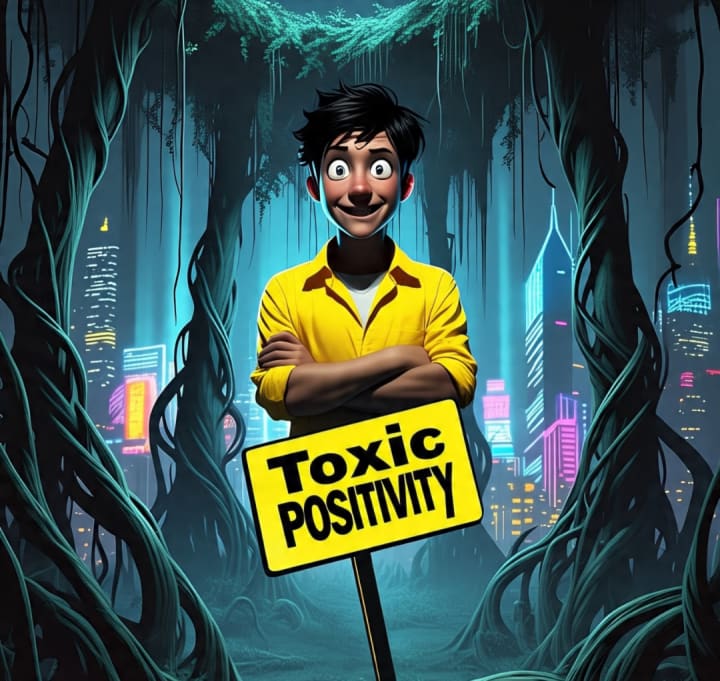
What Is Toxic Positivity?
Toxic positivity is different from healthy optimism. It denies real feelings by insisting that negative emotions are wrong, weak, or unhelpful. Instead of allowing space for pain, fear, or sadness, toxic positivity demands that you smile through it all.
Common examples of toxic positivity include:
Telling someone to “look on the bright side” during a crisis.
Minimizing someone’s struggles with phrases like at least you have…
Feeling guilty for having negative thoughts or emotions.
Forcing yourself to suppress anger, grief, anxiety in favor of fake cheerfulness.
These patterns can lead to emotional disconnection—not only from others, but from yourself.
How I Got Caught in the Trap
In my mid-20s, I was going through what looked like a “successful” life from the outside: a stable job, a good apartment, and a happy relationship—or so I thought. But inside, I was emotionally exhausted. When I lost my job during a company downsizing, I told myself it was a blessing in disguise. When the relationship ended months later, I said I was fine.
But I wasn’t fine. I was angry, lost, and deeply sad. Still, I told myself to “stay grateful” and “move on.” My inner world became a warzone of silenced feelings. I refused to let myself feel negative emotions because I thought they made me weak.
What nobody tells you is that avoiding pain doesn’t make it go away—it makes it grow.
The Psychological Cost of Forced Positivity
According to mental health experts, constantly pushing away difficult emotions can lead to:
Increased stress and anxiety
Emotional avoidance and repression
Damaged relationships due to lack of thenticity
Delayed healing and unresolved trauma
What’s worse, people struggling with toxic positivity often isolate themselves. If you’re always the “positive one,” it becomes hard to admit when you're not okay.
How to Escape the Trap of Toxic Positivity
The good news? You can unlearn toxic positivity and build a healthier emotional life. Here’s how I did it—and how you can too.
1. Name Your Emotions Without Judging Them
When you feel angry, sad, or anxious, don’t try to push it away. Instead, acknowledge it. Say: “I’m feeling overwhelmed right now.” Validating your feelings is the first step toward healing.
2. Replace Fake Positivity With Authentic Support
Instead of saying “everything happens for a reason,” try “This is really hard. I’m here for you.” Offer empathy—not solutions.
3. Allow Space for Grief, Disappointment, and Anger
Not every moment needs a silver lining. Sometimes, the most powerful thing you can do is sit with your pain without rushing to fix it.
4. Surround Yourself With Emotionally Honest People
Seek out relationships where vulnerability is welcomed. Let go of the pressure to be the one who always holds it together.
5. Use Affirmations That Honor the Full Emotional Spectrum
Swap “Just be happy” with “It’s okay to feel what I’m feeling.” Give yourself permission to be human.
Finding Strength in Emotional Honesty
Letting go of toxic positivity doesn’t mean becoming negative. It means being real. It means recognizing that pain and joy can coexist. That sometimes, the strongest thing you can do is cry, scream, grieve—or just admit that you’re not okay.
Today, my life isn’t perfect. But it’s authentic. I still believe in hope and growth, but I also believe in the power of tears, bad days, and uncomfortable truths. I don’t chase positivity anymore—I cultivate emotional honesty.
Because healing doesn’t start with pretending everything is okay.
It starts with saying: “This is hard—and that’s okay.
toxic positivity
dark side of toxic positivity
how to escape toxic positivity
emotional suppression
fake positivity
authentic emotional healing
healthy emotional support
dealing with negative emotions
__________________________________________
Thank you so much for reading this! 🥰 If you liked my writing, please leave a comment, click the heart and subscribe for free!
About the Creator
Muhammad
Explore deeply emotional stories and poems about future love, heartbreak, and healing. Each piece captures real moments of connection, loss, and personal growth—crafted to resonate with readers seeking authentic, relatable experiences.
Day 4 of Quitting
If this is how sobriety feels, maybe it’s better to go through life a little buzzed… this, along with other hits like, I want to kill myself, I wish I was dead, and I’m going to throw myself off a bridge have been the only thoughts on rotation these past few days. I promise myself that if, in a month, I still feel like this (‘this’ meaning despondent, full of rage, and simultaneously numb) I can go back to smoking. Until mid-February though? Nicotine is off the table.
By sleepy drafts10 days ago in Longevity
STD Self-Testing Market Size and Forecast 2025–2033
Introduction: A Quiet Revolution in Sexual Health The way people approach sexual health is undergoing a significant transformation. Once bound by social stigma, long clinic wait times, and concerns over privacy, diagnostic testing for sexually transmitted diseases (STDs) is increasingly moving into the home. At the center of this shift is the rapidly expanding STD self-testing market, which empowers individuals to screen for infections in a private, convenient, and accessible manner.
By Janine Root 4 days ago in Longevity


Comments
There are no comments for this story
Be the first to respond and start the conversation.