
Eco‐Love: How Shared Environmental Values Can Strengthen Relationships
Discover how environmental activism and sustainability can forge deeper connections and nourish the bonds between partners.

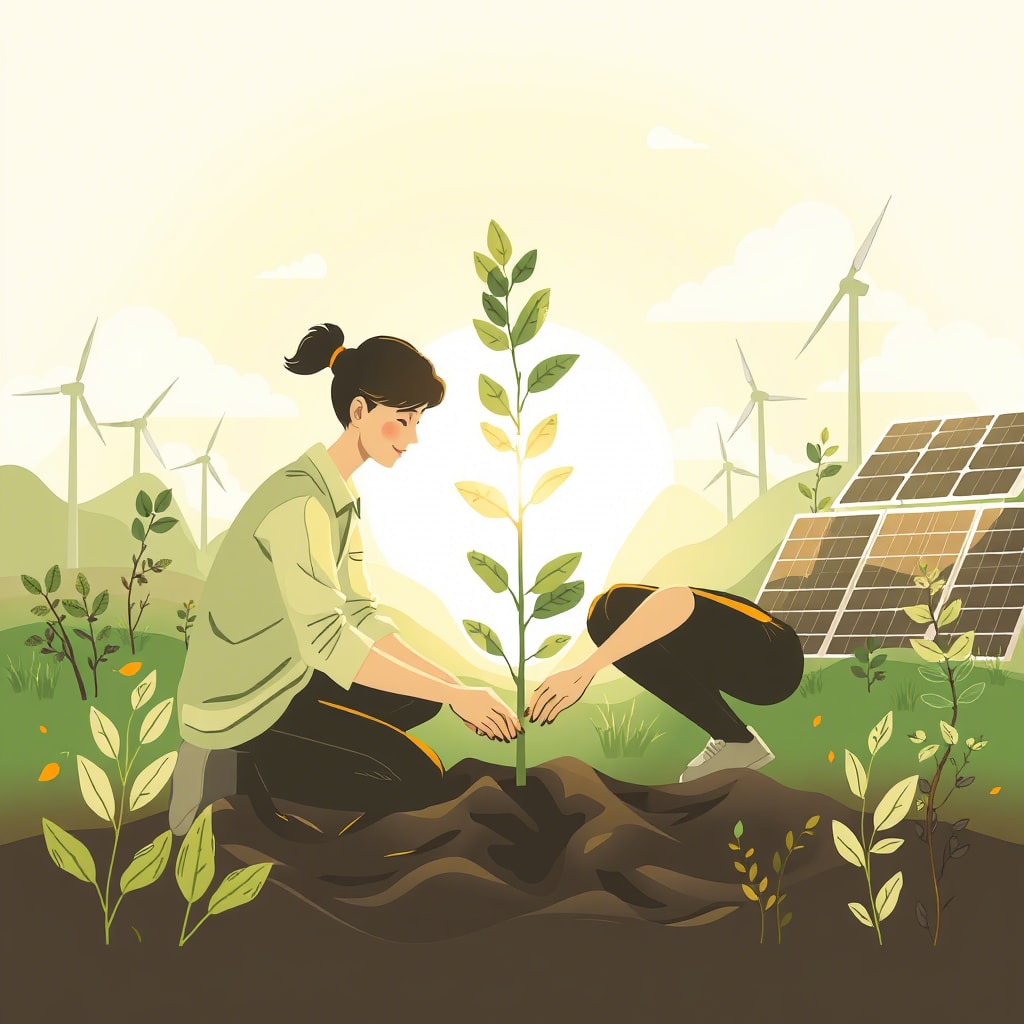
Introduction
In today’s rapidly changing world, where climate change and environmental degradation are urgent challenges, many individuals are increasingly aligning themselves with eco-conscious lifestyles. For couples who share a passion for sustainability, their commitment to the planet often forms a critical component of their relationship. This unique bond, which we can call "Eco‐Love," is built on shared values, joint endeavors in environmental activism, and a mutual responsibility to future generations. This article explores how shared environmental values can become a powerful force in forging deeper and more resilient connections between partners.
The Foundation of Eco‐Love
At the heart of an eco-conscious relationship lies a shared vision. For many couples, environmental values are not just about personal habits—they represent a commitment to bettering the world. This shared vision promotes a sense of purpose and unity. When both partners are actively involved in sustainability efforts—be it through reducing waste, supporting local organic farms, or advocating for renewable energy—they embed their relationship with meaning beyond the mundane.
Every sustainable action, from recycling diligently to minimizing energy use, reinforces the idea that every small choice contributes to a larger cause. This philosophy can infuse everyday decisions with a sense of intentionality and collective purpose, reinforcing the partnership’s underlying strength. In a world where external pressures can strain relationships, eco‐love provides a foundation that nurtures communication and teamwork.
Building a Shared Lifestyle
One of the most impactful ways environmental values strengthen relationships is through the creation of a shared lifestyle. When both partners commit to living sustainably, they often spend time researching eco-friendly alternatives, planning green projects, and learning together about issues like climate change, biodiversity loss, and the importance of reducing carbon footprints. This shared learning experience becomes a journey, one in which each partner grows individually and as part of a duo.
Consider the practical ways that sustainable living transforms a home. From installing energy-efficient appliances to designing a zero-waste kitchen, these decisions are collaborative and carry symbolic weight. They demonstrate a couple’s belief in collective action and inspire both partners to remain committed to a lifestyle that upholds their ideals. Moreover, this joint commitment can lead to a more harmonious living environment where both feel supported in their shared mission.
Environmental Activism as a Couple’s Mission
For many, sustainability is not only a lifestyle but also a cause worth fighting for. When couples engage in environmental activism, the external struggles they face help solidify their partnership. Working side by side on issues like community clean-ups, tree-planting campaigns, or local environmental policy advocacy provides a sense of accomplishment and mutual pride.
Such activism also exposes couples to diverse communities, opening up opportunities to forge new connections with like-minded individuals and organizations. These experiences can broaden their perspectives and deepen their commitment to both their cause and each other. When adversity arises—such as climate-related emergencies or political setbacks—the shared resolve to make a difference can serve as a powerful reminder that they are never alone in their fight.
Nurturing Empathy and Communication
Eco‐love often creates an environment where empathy and communication flourish. When couples adopt sustainable practices, they are typically more mindful of the world around them and more empathetic towards its struggles. This heightened awareness naturally extends to their interpersonal relationships. It encourages partners to listen more deeply, to value the opinions and needs of others, and to foster mutual respect.
Communication becomes a two-way street where each partner feels valued for their contribution to the shared vision of a better world. Practical discussions about sustainability—whether planning ways to reduce water usage or debating the merits of veganism—serve as a platform for honing conflict resolution skills. These conversations, although sometimes challenging, are crucial to the growth of a relationship, as they teach patience, negotiation, and understanding. In essence, working together for a greater cause provides a framework for enduring dialogue, transforming everyday challenges into opportunities for growth.
The Psychological Benefits of Eco‐Love
Embracing an eco‐conscious lifestyle not only contributes to the planet’s well-being but also offers psychological advantages for those involved. Research has shown that engaging in meaningful activities—such as environmental stewardship—can lead to higher levels of life satisfaction and a sense of purpose. For couples, these benefits are doubly significant.
When partners experience personal fulfillment from their sustainable practices, their overall happiness tends to rise. This shared contentment can lead to a reduction in stress and an increased resilience to life’s challenges. Furthermore, the knowledge that one’s actions are contributing to the betterment of the planet fosters self-esteem and a sense of social responsibility. As couples see tangible results from their efforts—whether it’s a flourishing community garden or tangible improvements in local environmental quality—they feel a reinforced connection to each other, united by shared achievements and aspirations.
Navigating Challenges Together
While eco‐love has many benefits, it is not without its challenges. Differences in opinions about sustainability practices or the pace at which to adopt eco-friendly changes can sometimes lead to conflicts. For instance, one partner may advocate for a radical overhaul of their lifestyle while the other prefers incremental changes. However, these differences, when managed constructively, can actually strengthen a relationship.
Open dialogue is key. By discussing their environmental philosophies openly and without judgment, couples can learn to appreciate and integrate diverse perspectives. Compromise, experimentation, and mutual support are essential ingredients in navigating these challenges. Couples who succeed in reconciling different approaches to sustainability often emerge with a more balanced and integrated vision of eco‐love—one that is flexible, adaptive, and resilient.
Inspiring Others Through Eco‐Love
One of the most rewarding outcomes of an eco‐love partnership is its potential to inspire others. Whether it’s within a local community or a broader social network, couples who live by their environmental values often become ambassadors for change. Their actions and lifestyle choices—whether big or small—offer a tangible example of how personal commitment to sustainability can make a difference.
This ripple effect is a powerful motivator. As more couples embrace eco‐love, there is potential for significant social change. By demonstrating that shared values can lead to stronger, more fulfilling relationships, eco‐love helps to normalize sustainable practices, encouraging society at large to consider the broader impact of everyday choices on the environment and on human connections.
Conclusion
Eco‐love is more than a buzzword—it represents a transformative approach to relationships in the modern world. By aligning personal values with a commitment to environmental stewardship, couples can build relationships that are not only deeply satisfying but also socially and morally enriching. Whether through shared sustainable living practices, joint environmental activism, or simply fostering a communication style imbued with empathy and purpose, eco‐love reinforces the idea that our personal well-being is intricately linked to the health of our planet.
In an era where environmental challenges are increasingly prominent, the dual pursuit of love and sustainability provides a hopeful blueprint for the future. Eco‐love teaches us that when two people come together with a shared passion for the environment, they can create a partnership that is as nurturing for their souls as it is vital for the Earth. With every recycled item, every conservation project, and every candid conversation about the future, couples who embrace eco‐love leave a lasting legacy—a legacy defined by compassion, resilience, and a tireless commitment to a better world.
About the Creator
Mysteries with Professor Jahani
Professor Abdul Baqi Jahani, Ph.D. from Oxford, is an esteemed educator and writer specializing in global governance and legal theory. He adeptly combines academic rigor with storytelling to provide insightful analyses on law society.
Reader insights
Outstanding
Excellent work. Looking forward to reading more!
Top insights
Compelling and original writing
Creative use of language & vocab
Easy to read and follow
Well-structured & engaging content
Excellent storytelling
Original narrative & well developed characters
Expert insights and opinions
Arguments were carefully researched and presented
Heartfelt and relatable
The story invoked strong personal emotions
Masterful proofreading
Zero grammar & spelling mistakes
On-point and relevant
Writing reflected the title & theme
Keep reading
More stories from Mysteries with Professor Jahani and writers in Longevity and other communities.
When Love Meets Legacy: How Romantic Relationships Shape the Stories We Leave Behind
Introduction Love is not merely a fleeting emotion confined to a moment in time; it is the foundation upon which legacies are built. When two lives intertwine in romance, they create a narrative that extends far beyond their immediate relationship. Their love becomes a thread woven into the broader tapestry of family traditions, artistic expressions, memories, and cultural identities. In this exploration, we reflect on how romantic relationships shape the stories we leave behind, touching every aspect of our lives—from the intimate corners of home to the grand stages of art and collective memory.
By Mysteries with Professor Jahani11 months ago in Longevity
Doctors Hate How Simple This Longevity Secret Is (But It Might Add Years to Your Life)
Longevity has become one of the most talked-about topics in modern health. Everywhere you look, there are promises of anti-aging breakthroughs, advanced supplements, and complex routines designed to extend life. It creates the impression that living longer is complicated—something reserved for those with access to the latest science and unlimited resources.
By Lukáš Hrdlička5 days ago in Longevity
Scientists Are Shocked: This “Boring” Lifestyle Secret Might Be the Real Key to Living Longer
When people search for ways to live longer, they often expect something groundbreaking—a newly discovered supplement, a futuristic treatment, or a secret used by the ultra-wealthy. The idea that longevity could come down to simple, everyday habits feels almost disappointing.
By Lukáš Hrdlička5 days ago in Longevity
Tatt~Master
— Assembly Line Tatt Machine ~ Impressions to Impress — As I begin to understand more about the Tattoo Phenomenon. I've written silly, yet verbatim, dating site anecdotes in 'Frazzled.' So let me ask you: Would you be More attracted to someone slathered with tattoos, or Less?
By Jay Kantora day ago in Humor



Comments
There are no comments for this story
Be the first to respond and start the conversation.