
Doctor Removes Kidney But What He Found Inside Left Everyone in Shock!
Medical Negligence


Doctor Removes Kidney But What He Found Inside Left Everyone in Shock!
Medical science has advanced tremendously saving millions of lives and improving healthcare standards worldwide. However medical negligence remains a critical issue sometimes leading to devastating consequences for patients. A recent case highlighted a shocking example of such negligence an 18 year old surgical mistake that left a broken laser fiber inside a patient’s kidney causing years of suffering infections and ultimately the removal of the non functional organ. This incident raises serious concerns about medical ethics accountability and the urgent need for stricter surgical protocols. The patient had undergone multiple kidney surgeries over the years yet his condition continued to deteriorate. His kidney had stopped functioning and had become a constant source of infections. After exhausting all other medical options the patient opted for kidney removal. A skilled surgeon performed the procedure laparoscopically ensuring minimal invasion and a smooth operation. However what was discovered after the surgery was beyond anyone’s expectations. Upon removing the kidney the surgeon decided to examine its interior to better understand the root cause of the damage. To his shock he found a broken laser fiber embedded inside the organ an instrument that had been mistakenly left behind by another surgeon 18 years ago. This foreign object had been silently causing infections inflammation and chronic pain yet no previous doctor had identified the issue.
When the patient was informed about this discovery he immediately recognized which doctor had performed that particular surgery years ago. It was a heartbreaking realization that a mistake made nearly two decades ago had cost him his kidney and affected his quality of life for years. This case is a stark reminder of the importance of surgical diligence and the consequences of even a minor oversight in the medical field. Medical negligence refers to any act or omission by a healthcare provider that deviates from the accepted standard of practice leading to harm or injury to a patient. It can manifest in various forms including misdiagnosis surgical errors medication mistakes and failure to provide timely treatment. In this particular case the negligence was not only careless but had long term repercussions that could have been avoided with proper attention and responsibility. Surgeons are trained to follow strict protocols including counting and verifying surgical instruments before closing up a patient. If the surgeon from 18 years ago had adhered to these protocols this entire ordeal could have been prevented. Additionally if the patient had continued experiencing pain and infections doctors over the years should have conducted thorough investigations rather than treating only the symptoms. A more in depth diagnosis could have led to the early discovery of the foreign object potentially saving the kidney from irreversible damage. Medical negligence cases like this not only harm individual patients but also erode trust in the healthcare system. When patients seek medical help they place their complete faith in doctors and surgeons believing they will receive the best possible care. However when such errors occur it shakes the very foundation of that trust. The aftermath is not just physical suffering but also emotional distress and financial burdens due to prolonged treatments and unnecessary procedures.
Preventing medical negligence requires a multifaceted approach. First and foremost hospitals must implement stringent monitoring and quality control measures to ensure all surgical procedures adhere to the highest safety standards. Every medical professional involved in patient care must be held accountable for their actions. Routine post operative follow ups and thorough diagnostic tests should become standard practice especially for patients experiencing prolonged complications after surgery. Additionally patients should be more proactive in their healthcare journey. If symptoms persist despite multiple treatments seeking second opinions and demanding comprehensive investigations can sometimes uncover hidden medical errors. While patients should not bear the burden of identifying surgical mistakes increased awareness and self advocacy can sometimes lead to life saving discoveries. Medical education and training institutions must also emphasize ethical responsibility alongside technical expertise. Future doctors should be instilled with a strong sense of accountability and commitment to patient safety. A good surgeon is not just skilled with a scalpel but is also meticulous cautious and willing to double check every aspect of their work to prevent errors. In this case the patient eventually found relief through surgery but the real question remains could this suffering have been prevented? The answer is undoubtedly yes. If the original surgeon had exercised caution if follow up doctors had conducted more thorough evaluations and if there had been stricter medical oversight this patient’s ordeal could have been avoided.
This case serves as a lesson not just for medical professionals but for the entire healthcare system. Every doctor nurse and surgeon must recognize the immense responsibility they carry and take every possible step to ensure patient safety. Medical negligence has far reaching consequences affecting not just the individual patient but also the credibility of the medical profession. The reality is that surgical errors, if left unchecked can lead to tragedies far worse than the one described here. Patients lose their lives families suffer unimaginable grief and trust in healthcare systems is diminished. The only way forward is to implement more rigorous safety measures, enforce medical accountability and ensure that patient well being remains the top priority. At its core medicine is a profession built on trust compassion and responsibility. When a doctor takes an oath to save lives that promise must be honored with the highest level of care and precision. Mistakes may be inevitable in any field but in medicine even a minor oversight can cost a patient their health their organs or even their life. This case is not just a tragic story of one patient’s suffering but a call to action for the medical community worldwide. Hospitals policymakers and healthcare professionals must come together to strengthen medical protocols enhance accountability and ensure that no patient ever has to endure 18 years of unnecessary pain due to someone else’s carelessness.
About the Creator
Adnan Rasheed
Author & Creator | Writing News , Science Fiction, and Worldwide Update| Digital Product Designer | Sharing life-changing strategies for success.
Keep reading
More stories from Adnan Rasheed and writers in Longevity and other communities.
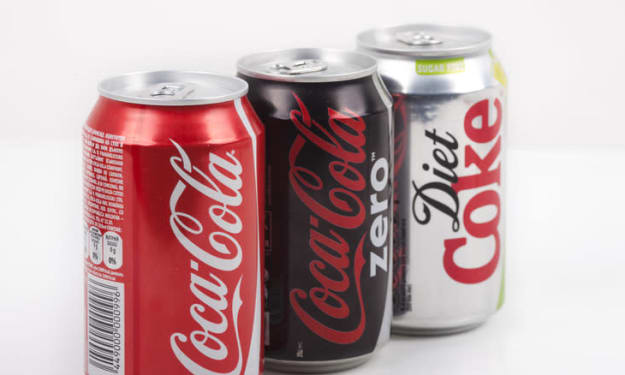
How Is Diet Coke Different From Coke Zero?
How Is Diet Coke Different From Coke Zero? Diet Coke and Coke Zero Sugar are two of Coca Cola's most well known sugar free sodas often mistaken for one another due to their similar branding and promises of zero sugar and zero calories. However despite their shared mission of offering a healthier alternative to regular Coca Cola these two drinks have distinct differences in taste, ingredients and even cultural significance. While Diet Coke has remained a beloved staple for decades Coke Zero Sugar has gained traction as a closer alternative to classic Coca Cola. The primary factors that differentiate them include their sweeteners acidity regulators and how each drink is formulated to appeal to different consumer preferences. The popularity of Diet Coke has made it a cultural icon. It has been the go to choice for many since its launch in 1982, particularly among those who grew up with it as a lighter alternative to traditional sodas. Over the years it has been featured in movies television shows and even fashion trends becoming associated with a certain level of sophistication and lifestyle. In contrast Coke Zero Sugar originally introduced as Coke Zero in 2005 before being reformulated and rebranded in 2017was designed to taste more like the original Coca Cola rather than offering an entirely unique flavor like Diet Coke. This distinction plays a significant role in how each beverage is perceived and consumed. At the heart of the difference between Diet Coke and Coke Zero Sugar is their ingredient composition. Both beverages contain carbonated water caramel color phosphoric acid aspartame potassium benzoate natural flavors and caffeine. However three key ingredients set them apart Coke Zero Sugar includes potassium citrate and acesulfame potassium while Diet Coke contains citric acid instead. These differences significantly influence their taste and mouthfeel. Diet Coke is known for its crisp lighter taste with a slight tartness which comes from its reliance solely on aspartame as the sweetener. Aspartame provides a distinctive sweetness that many Diet Coke drinkers have come to love even though it does not mimic the exact taste of classic Coca Cola. Additionally the presence of citric acid enhances the beverage's tanginess giving it a sharper and more refreshing taste profile. This acidity contributes to the signature bite that Diet Coke enthusiasts often crave.
By Adnan Rasheed12 months ago in Longevity
After the warmest weather of the year so far, is winter finally over?
As much of the Northern Hemisphere basks in unseasonably warm temperatures, many are asking whether winter is truly coming to an end or if this is merely a brief interlude before the chill returns. Meteorologists note that while recent weeks have brought record-breaking warmth in several regions, the seasonal transition is more nuanced, and forecasts suggest that cold snaps may still make surprise appearances. Across parts of North America, Europe, and Asia, thermometers have consistently recorded temperatures above seasonal averages. In cities like New York City, Paris, and Beijing, residents have reported unusually mild weather, prompting early sightings of blooming flowers and active wildlife that typically emerge later in the season. Local authorities have even issued advisories for heat-sensitive infrastructure, such as early melting of snow and ice causing minor flooding in some urban areas. Climatologists emphasize that while short-term warmth can feel like the end of winter, it does not necessarily indicate a permanent shift. “Weather and climate are distinct concepts,” said Dr. Hannah Moore, a meteorologist at the National Weather Service. “A week or two of warm temperatures is a weather event. Winter, defined by astronomical and climatological markers, continues until the official seasonal end.” The current warm spell has been linked to several atmospheric phenomena. A persistent high-pressure system has settled over large portions of the Northern Hemisphere, drawing in warmer air from lower latitudes. At the same time, shifts in the jet stream have allowed cold Arctic air to remain farther north than usual, creating a pocket of warmth at mid-latitudes. While such patterns often produce temporary spikes in temperature, they do not necessarily mark the end of the season. Unseasonably warm conditions have significant ecological and societal impacts. Early thawing of snowpacks in mountainous regions increases the risk of spring flooding. Wildlife, particularly migratory birds and hibernating mammals, may be confused by inconsistent cues from the environment, affecting feeding and breeding patterns. Agricultural communities are also on alert, as early warmth can prompt premature growth of crops, leaving them vulnerable to potential late frosts. Despite the optimism brought by sunshine and mild days, experts caution that winter is not officially over until astronomical markers, such as the vernal equinox, are reached. Moreover, historical climate data shows that sudden cold snaps in March and even early April are not uncommon. For instance, a notable late-season cold wave in 2018 caused widespread frost damage across parts of Europe and North America, highlighting the unpredictable nature of transitional seasons. The psychological effects of early warmth are also notable. Residents often report a boost in mood and increased outdoor activity, reflecting the strong link between sunlight and human well-being. Cities have seen a surge in park attendance, cycling, and other recreational pursuits. However, meteorologists urge caution: the allure of warm weather should not lead to underestimating potential residual winter hazards, such as icy patches on roads or sudden snow flurries. Climate change adds another layer of complexity. While seasonal averages are gradually shifting upward globally, the variability from year to year remains significant. Scientists warn that interpreting a single warm spell as a permanent end to winter is misleading. Instead, it should be seen as part of broader patterns of climate variability, including more frequent temperature extremes and unusual weather events. In conclusion, while recent warmth may feel like the curtain call for winter, it is too early to declare the season officially over. Atmospheric patterns, historical precedent, and the persistence of cold pockets all suggest that winter can still make intermittent returns. For now, residents can enjoy the sunny reprieve but should remain prepared for sudden chills. Seasonal transitions are rarely linear, and this early taste of spring may merely be a preview of the warmth to come rather than a definitive end to winter’s reign.
By Fiaz Ahmed 5 days ago in Longevity
What Happens to Your Blood Sugar When You Skip Breakfast
Skipping breakfast may affect blood sugar regulation, especially in people with metabolic conditions. Some people experience higher glucose spikes and increased hunger later in the day. Meal timing that aligns with your natural rhythms may support steadier energy and metabolism.
By Good health to everyoneabout 7 hours ago in Longevity



Comments
There are no comments for this story
Be the first to respond and start the conversation.