
Discover The Power of Backyard Plants for Health and Fitness - Part 13/20
Tansy : From Backyard to Table, Exploring Culinary Delights and Health Potential of a Resilient Backyard Plant
Section 1: Introduction
Tansy, a vibrant and resilient backyard plant, has a long history of culinary and medicinal uses. With its distinctive aroma and attractive appearance, tansy offers a unique blend of nutritional value, potential health benefits, and culinary versatility. In this article, we will explore the fascinating world of tansy, from its nutritional composition and potential health benefits to its culinary applications and global presence in cuisine.
Section 2: Nutritional Values and Health Benefits
Tansy leaves contain various nutrients and bioactive compounds that contribute to its potential health benefits. It is rich in antioxidants, such as flavonoids and terpenes, which help protect the body against oxidative stress and inflammation. Tansy also contains essential oils like thujone and camphor, which are known for their antimicrobial and insect-repellent properties.
While tansy has been historically used in traditional medicine for various ailments, it is important to note that its consumption should be approached with caution. The presence of certain compounds, such as thujone, in high concentrations can be toxic and may have adverse effects on health. Therefore, it is recommended to consult with a healthcare professional before using tansy for therapeutic purposes.
Section 3: Culinary Versatility
Tansy, with its unique bitter flavor and aromatic qualities, offers a surprising culinary versatility that can add an intriguing twist to various dishes and beverages. Let's delve into the culinary world of tansy and explore its many possibilities.
While tansy is not commonly found in mainstream cuisine today, it has a rich history of culinary use in certain cultures, particularly in Europe. Its distinctive bitter taste, reminiscent of sage or wormwood, adds a complex flavor profile to dishes and beverages when used in moderation.
One way to incorporate tansy into culinary creations is through infusions. Tansy leaves can be steeped in hot water to create a fragrant herbal tea or infusion. The bitterness of tansy is balanced by a hint of mint and citrus, creating a unique and refreshing beverage. Tansy tea is often enjoyed on its own or combined with other herbs to create flavorful blends.
Beyond infusions, tansy leaves can be used sparingly as a culinary herb to add depth and complexity to savory dishes. In traditional European cuisines, tansy has been used in small quantities to enhance the flavor of sauces, soups, and stews. Its bitter notes provide a contrast and balance to rich and fatty foods, creating a harmonious combination of flavors.
Tansy can also be incorporated into baked goods and desserts. In certain European countries, tansy has been used in the production of traditional sweets such as cakes, puddings, and biscuits. Its bitter flavor adds a unique twist to these treats, making them stand out from more conventional options.
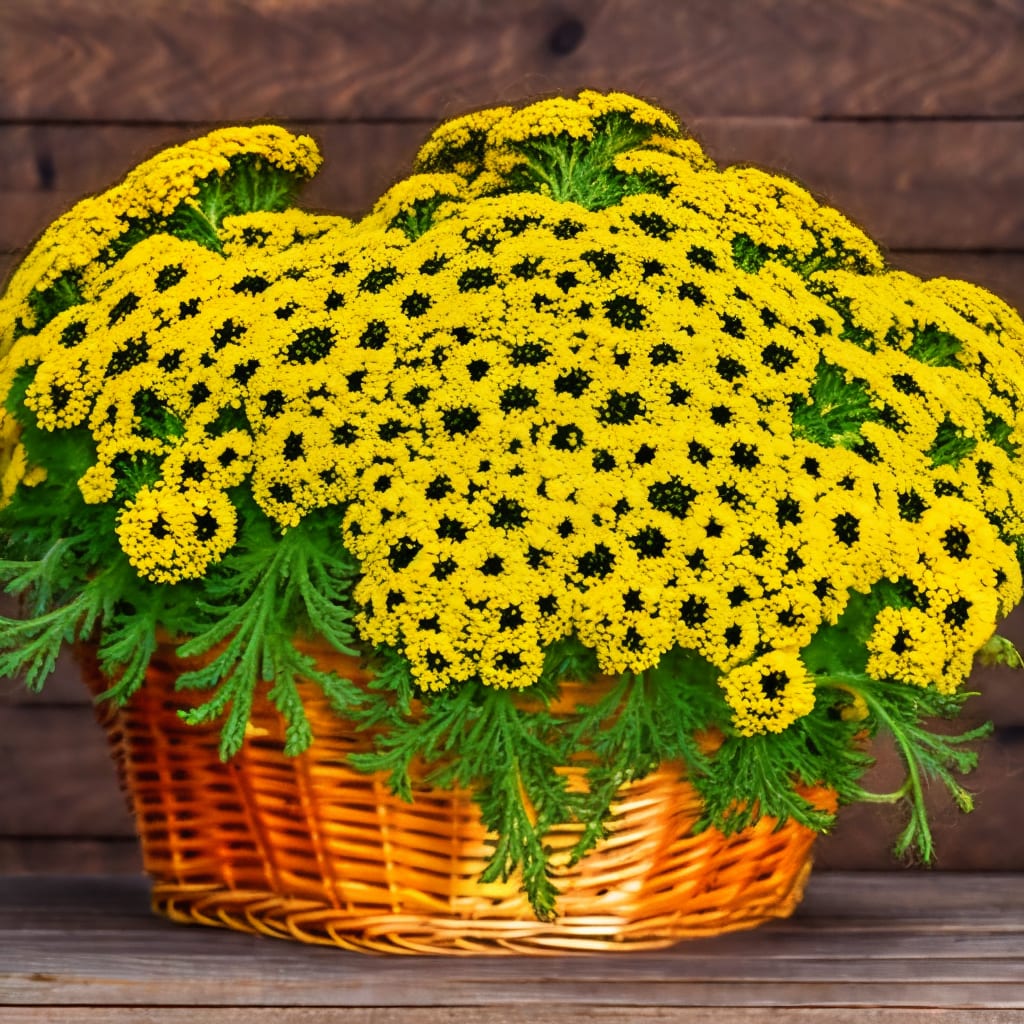
Furthermore, tansy can be used as a decorative element in culinary presentations. Its vibrant yellow flowers and finely divided leaves make it an attractive addition to salads, fruit platters, or cheese boards. The visual appeal of tansy adds a touch of natural beauty to the overall presentation, making the dish visually enticing.
It is worth noting that tansy should be used in moderation due to its intense bitter taste and potential toxicity in large quantities. The presence of certain compounds, such as thujone, can be harmful when consumed in excess. Therefore, it is recommended to consult with a knowledgeable source or reference reputable culinary resources when using tansy in cooking or baking.
The culinary versatility of tansy offers an opportunity for adventurous cooks and culinary enthusiasts to experiment with unique flavors. From infusions and seasonings to baked goods and decorative elements, tansy adds a distinctive bitter note to various culinary creations. While its bitter flavor profile may not be universally embraced, tansy invites exploration and provides an opportunity to create dishes and beverages that stand out with their distinct taste.
So, why not embrace the culinary potential of tansy and experiment with this intriguing herb in your own kitchen? Explore its flavors, infuse your dishes, and let the bitterness of tansy add a captivating twist to your culinary creations.file and aromatic qualities make it an intriguing addition to culinary creations. Its leaves have a distinct bitter taste with hints of mint and citrus, adding complexity to dishes and beverages. While tansy is not commonly used in mainstream cuisine, it has been incorporated into traditional recipes in certain cultures.
Section 4: World of Cuisine
Tansy, with its unique bitter flavor and aromatic qualities, has made occasional appearances in traditional cuisines around the world, particularly in certain European culinary traditions. Let's take a culinary journey and explore the global presence of tansy in cuisine.
In some European cuisines, tansy has been used sparingly to add a distinct bitter and herbaceous note to various dishes. It has been incorporated into traditional recipes, especially in regions with a history of foraging and wild plant use. In countries such as Italy, France, and the United Kingdom, tansy has been used in small quantities as a seasoning or flavoring agent.
One notable culinary use of tansy is in traditional English cuisine. In the past, tansy was often used in Easter dishes, particularly in tansy pudding. Tansy leaves were infused into milk or cream and then incorporated into a sweetened egg custard mixture. This dessert was enjoyed during the Easter season as a symbolic and flavorful treat.
Tansy has also been employed in the production of traditional liqueurs and spirits. In certain regions, tansy leaves have been infused into alcohol, creating unique herbal liqueurs that offer a bitter and aromatic flavor profile. These tansy-infused liqueurs are often enjoyed as a digestif or used as a key ingredient in cocktails, providing a distinctive taste experience.
Beyond Europe, tansy has occasionally appeared in traditional herbal drinks and remedies in some cultures. Its bitter and aromatic qualities were believed to aid digestion and alleviate certain ailments. However, it is important to note that tansy should not be consumed in large quantities due to the potential toxicity of its compounds.
While tansy's presence in cuisine may be limited and largely tied to specific culinary traditions, it showcases the historical and cultural significance of this unique herb. The use of tansy in various European dishes and beverages highlights its potential to add complexity and depth to culinary creations.
It is important to exercise caution when using tansy in cooking or baking, as its intense bitter flavor may not be universally embraced. It is recommended to consult with knowledgeable sources, reference reputable culinary resources, or engage in traditional cooking practices when incorporating tansy into your culinary repertoire.
While tansy may not be widely recognized or commonly used in mainstream cuisine, its global presence in certain culinary traditions highlights its potential as a unique flavoring agent. From traditional English desserts to infused liqueurs, tansy adds a distinct bitter and herbaceous note to dishes and beverages, offering a taste experience that is both intriguing and memorable.
So, if you have the opportunity to explore traditional recipes or experiment with tansy in your own culinary creations, embrace the global heritage of this herb and let its unique flavors transport you to a world of culinary discovery.
Section 5: Conclusion
In conclusion, tansy is a backyard plant that offers a blend of culinary potential, nutritional value, and potential health benefits. While its distinctive bitter flavor may not be universally embraced, tansy holds a place in traditional European cuisine and herbal remedies. Its aromatic qualities and unique taste profile contribute to its culinary versatility, providing an opportunity for creative exploration in the kitchen.
About the Creator
Day 4 of Quitting
If this is how sobriety feels, maybe it’s better to go through life a little buzzed… this, along with other hits like, I want to kill myself, I wish I was dead, and I’m going to throw myself off a bridge have been the only thoughts on rotation these past few days. I promise myself that if, in a month, I still feel like this (‘this’ meaning despondent, full of rage, and simultaneously numb) I can go back to smoking. Until mid-February though? Nicotine is off the table.
By sleepy drafts13 days ago in Longevity
Global Sensor Market Size and Forecast 2025–2033
Introduction Invisible to the eye yet fundamental to modern life, sensors have become the backbone of today’s digital economy. From smartphones that recognize faces to factories that optimize production in real time, from vehicles that detect hazards to hospitals that monitor patients remotely, sensors quietly convert the physical world into actionable data. As industries race toward automation, connectivity, and intelligence, the role of sensors has expanded from simple measurement tools to mission-critical components of digital transformation.
By jaiklin Fanandish5 days ago in Longevity
My New Book is Finally Here
My poetry collection Beautiful and Brutal Things is done. It's actually done and finally published over 270 pages. Over a year of my life went into this book. More than a year, really. Long days at my computer, sometimes seven days a week because I couldn't stop even when I probably should have. Then two months of editing that felt harder than the writing itself. But it's finished, and I'm still standing, and the book is real.
By Tim Carmichael3 days ago in BookClub



Comments