
Diabetic Foot Ulcer
Understanding the Symptoms, Treatment, and Evidence-Based Management
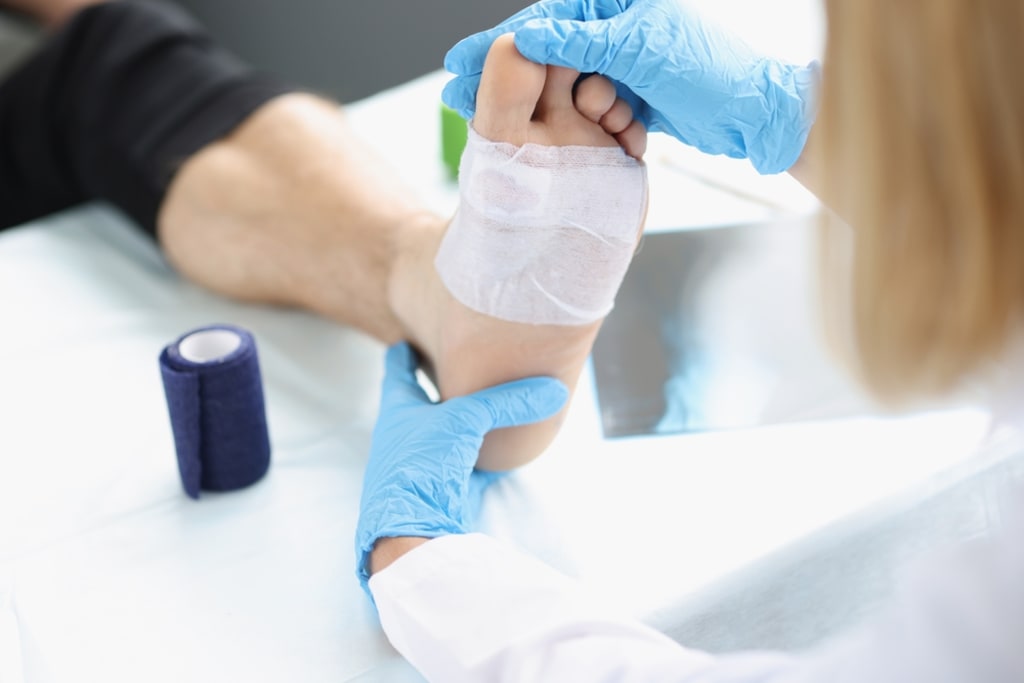
A diabetic foot ulcer (DFU) is one of the most serious and common complications of long-standing diabetes mellitus. These open wounds, usually located on the sole of the foot or toes, occur due to a combination of nerve damage, poor circulation, and impaired wound healing. If left untreated, diabetic foot ulcers can lead to severe infections, hospitalization, and even lower-limb amputation. Understanding early symptoms, appropriate treatment, and long-term management is essential for improving outcomes and quality of life in people with diabetes.
What Is a Diabetic Foot Ulcer?
A diabetic foot ulcer is a chronic, non-healing wound that develops due to diabetic neuropathy (loss of sensation) and peripheral arterial disease (reduced blood flow). Because many patients cannot feel pain in their feet, minor cuts or pressure injuries may go unnoticed and worsen over time.
Studies indicate that up to 25% of people with diabetes will develop a foot ulcer at some point in their lifetime, making prevention and early intervention critically important.
Diabetic Foot Ulcer Symptoms
Recognizing diabetic foot ulcer symptoms early can prevent serious complications. Common signs include:
- An open sore or wound on the foot that does not heal
- Swelling, redness, or warmth around the affected area
- Drainage or pus from the wound
- Discoloration of surrounding skin
- Foul odor, indicating possible infection
- Pain or tenderness (may be absent in advanced neuropathy)
Any wound lasting more than two weeks in a person with diabetes should be evaluated by a healthcare professional immediately.
Diabetic Foot Ulcer Treatment
Effective diabetic foot ulcer treatment focuses on wound healing, infection prevention, and addressing the underlying causes.
1. Wound Care and Debridement
Regular cleaning and removal of dead or infected tissue (debridement) help reduce bacterial load and promote healing. Maintaining a moist wound environment with appropriate dressings is a cornerstone of care.
2. Pressure Off-Loading
Reducing pressure on the ulcer is critical. This may involve specialized footwear, orthotic devices, or total contact casting. Off-loading significantly improves healing rates and reduces recurrence.
3. Infection Control
If infection is present, diabetic foot ulcer medication may include topical or systemic antibiotics, selected based on clinical assessment and culture results. Prompt infection management is essential to prevent deeper tissue or bone involvement.
4. Blood Sugar Optimization
Poor glycemic control impairs immune function and wound healing. Tight blood glucose management is a vital part of ulcer treatment and overall diabetes care.
Diabetic Foot Ulcer Medication: What’s Used?
Medications used in diabetic foot ulcers depend on the wound condition and severity. These may include:
- Antibiotics for infected ulcers
- Topical antiseptics for wound cleansing
- Anti-inflammatory agents to reduce local inflammation
- Pain management medications when needed
Medication is always combined with proper wound care and mechanical off-loading, as drugs alone cannot heal diabetic ulcers.
Management of Diabetic Foot Ulcers: A Multidisciplinary Approach
Successful management of diabetic foot ulcers requires coordinated care from multiple healthcare professionals, including physicians, podiatrists, wound care nurses, and diabetes educators.
Key components include:
- Regular foot examinations
- Early treatment of calluses and minor injuries
- Patient education on daily foot inspection
- Smoking cessation to improve circulation
- Nutritional support for tissue repair
Evidence shows that structured, multidisciplinary foot care programs can reduce amputation rates by more than 40%.
Prevention: The Best Strategy
Preventing diabetic foot ulcers is far more effective than treating them. Patients should be encouraged to:
- Inspect feet daily for cuts or blisters
- Wear properly fitting footwear
- Avoid walking barefoot
- Keep feet clean and moisturized (avoiding moisture between toes)
- Seek medical care promptly for any foot abnormality
Routine foot screening is recommended at least once a year for all patients with diabetes.
Frequently Asked Questions (FAQs)
1. Can diabetic foot ulcers heal completely?
Yes, with early diagnosis, proper wound care, infection control, and good blood sugar management, many diabetic foot ulcers can heal successfully.
2. How long does diabetic foot ulcer treatment take?
Healing time varies depending on ulcer depth, infection status, circulation, and glucose control. Some ulcers heal within weeks, while others may take several months.
3. Are diabetic foot ulcers life-threatening?
If untreated, they can become serious due to infection and sepsis. Early and consistent management significantly reduces these risks.
4. When should I see a doctor for a foot wound?
Any non-healing foot wound, redness, swelling, or discharge in a person with diabetes should be evaluated immediately.
Conclusion
A diabetic foot ulcer is a serious but preventable complication of diabetes. Early recognition of symptoms, evidence-based diabetic foot ulcer treatment, appropriate diabetic foot ulcer medication, and structured management of diabetic foot ulcers are essential to prevent infection, amputation, and long-term disability. With timely medical care, patient education, and multidisciplinary support, outcomes for diabetic foot ulcers can be significantly improved.
References & Sources
- American Diabetes Association – Standards of Medical Care in Diabetes : https://diabetesjournals.org
- National Institute of Diabetes and Digestive and Kidney Diseases (NIDDK) – Diabetic Foot Problems : https://www.niddk.nih.gov
- International Working Group on the Diabetic Foot (IWGDF) – Clinical Guidelines : https://iwgdfguidelines.org
- National Center for Biotechnology Information (NCBI) – Diabetic Foot Ulcer Overview : https://www.ncbi.nlm.nih.gov/books
About the Creator
Keep reading
More stories from benjamin taylor and writers in Longevity and other communities.
Bacterial Skin Infections
Introduction: When it comes to skin irritation, not every one of them is a simple rash. There are some bacteria that can enter the skin through tiny cuts and hair follicles. These bacteria include Staphylococcus aureus (Staph) or Streptococcus pyogenes (Strep) that can cause infections ranging from irritation and bothersome to dangerous.
By benjamin taylor17 days ago in Longevity
Day 4 of Quitting
If this is how sobriety feels, maybe it’s better to go through life a little buzzed… this, along with other hits like, I want to kill myself, I wish I was dead, and I’m going to throw myself off a bridge have been the only thoughts on rotation these past few days. I promise myself that if, in a month, I still feel like this (‘this’ meaning despondent, full of rage, and simultaneously numb) I can go back to smoking. Until mid-February though? Nicotine is off the table.
By sleepy drafts23 days ago in Longevity
Stay on This Stunning Island for Free… If You're Willing to Count Puffins
An unforgettable adventure awaits wildlife enthusiasts and travelers alike Imagine waking up to the sound of waves crashing against rugged cliffs, seabirds calling overhead, and endless stretches of untouched nature — all while staying on a stunning island for free. This isn’t a dream or an ad for a luxury resort. It’s a real opportunity offered to travelers willing to take part in a unique conservation project: counting puffins. Yes, you read that right. Some islands in the North Atlantic and Europe are inviting visitors to help monitor puffin populations in exchange for free accommodation, meals, and an unforgettable experience in nature. Why Puffins Need Your Help Puffins, those iconic seabirds with colorful beaks, are more than just cute creatures. They are an important part of coastal ecosystems, acting as indicators of ocean health. In recent years, puffin populations have faced challenges including: Climate change, which affects the availability of fish they feed on Overfishing, reducing their food supply Predators and habitat changes, impacting nesting areas Conservation groups and wildlife organizations need accurate population counts to track trends, plan protections, and understand the effects of environmental changes. This is where volunteer travelers come in. How the Program Works Many islands that host puffin colonies offer programs where visitors can stay for free or at a reduced cost, provided they contribute to conservation work. Responsibilities typically include: Counting puffins during nesting season Recording observations about behavior, nests, and population trends Helping maintain trails or shelters to minimize human impact on the birds Some programs are flexible, allowing volunteers to enjoy free time for hiking, photography, or simply relaxing in stunning surroundings. Others may require more structured participation, depending on the needs of the research team. The Islands Offering This Opportunity Several islands have become popular among conservation-minded travelers: Islands in Iceland – Puffins nest along the cliffs of islands like Vestmannaeyjar. Volunteers can stay in research stations and help count puffins during the summer months. Skomer Island, Wales – Famous for its puffin colonies, the island allows volunteers to assist with population monitoring while experiencing breathtaking coastal scenery. Faroe Islands – Remote and picturesque, these islands host programs where visitors can stay in eco-lodges in exchange for wildlife observations. Norwegian islands – Some local conservation groups welcome volunteers to help track puffins and other seabirds in the Arctic region. Each location offers stunning landscapes, unique wildlife, and a chance to make a real difference in conservation efforts. What You’ll Experience Volunteering to count puffins is more than just work; it’s a life-changing experience. Here’s what you can expect: Close encounters with wildlife – Watching puffins up close, hearing their calls, and observing their behavior in natural habitats. Breathtaking scenery – Rugged cliffs, sparkling waters, and panoramic views that feel straight out of a travel magazine. Cultural immersion – Many islands have local communities, offering the chance to learn about traditions, food, and history. Skill development – Volunteers gain experience in wildlife monitoring, research methods, and ecological awareness. Participants often describe the experience as both relaxing and rewarding, combining adventure with a meaningful contribution to science. Who Can Participate? These programs are generally open to anyone over 18, though some locations may have age limits or physical requirements. Ideal participants: Nature enthusiasts who enjoy outdoor activities Amateur bird watchers or photography enthusiasts Students or researchers interested in ecology or conservation Travelers seeking unique, budget-friendly experiences No previous experience is typically required. Organizations provide training and guidance to ensure accurate data collection and safety on rugged terrain. Benefits Beyond Free Accommodation While staying on a beautiful island for free is an amazing perk, there are other benefits too: Meaningful contribution – You’ll help scientists understand and protect puffin populations. Networking opportunities – Meet other like-minded volunteers from around the world. Personal growth – Living in remote locations fosters resilience, patience, and adaptability. Memorable adventure – Few travel experiences compare to sleeping on an island surrounded by wildlife and ocean views. It’s a unique blend of vacation and volunteering, making it an ideal choice for travelers seeking something different from typical tourist experiences. How to Get Involved If you’re interested in participating, here’s how to start: Research locations – Check websites of conservation organizations and local tourism boards. Check availability – Many programs require advance registration, especially during puffin nesting season. Prepare for conditions – Remote islands can be cold, windy, or wet; pack suitable clothing and gear. Follow guidelines – Respect wildlife rules, stay safe, and ensure you record accurate data. Some programs may provide meals and transportation, but it’s wise to check details in advance. Volunteers who commit fully often have the most rewarding experience. Conclusion Staying on a stunning island for free while counting puffins offers a rare combination of adventure, education, and meaningful contribution. It’s an opportunity to connect with nature, contribute to conservation, and experience landscapes few travelers ever see. Whether you’re a wildlife enthusiast, a student, or just someone looking for a budget-friendly adventure, volunteering for puffin counting can create memories that last a lifetime. So, if you’ve ever dreamed of living on a remote island surrounded by seabirds, this could be your chance — all it takes is a willingness to look closely, count carefully, and enjoy the beauty of the natural world.
By Fiaz Ahmed a day ago in Longevity


Comments
There are no comments for this story
Be the first to respond and start the conversation.