
Blood Testing Services Offered in Diagnostic Labs to Identify Heart Diseases
Here is the detail of a few important blood test used to diagnose heart diseases.
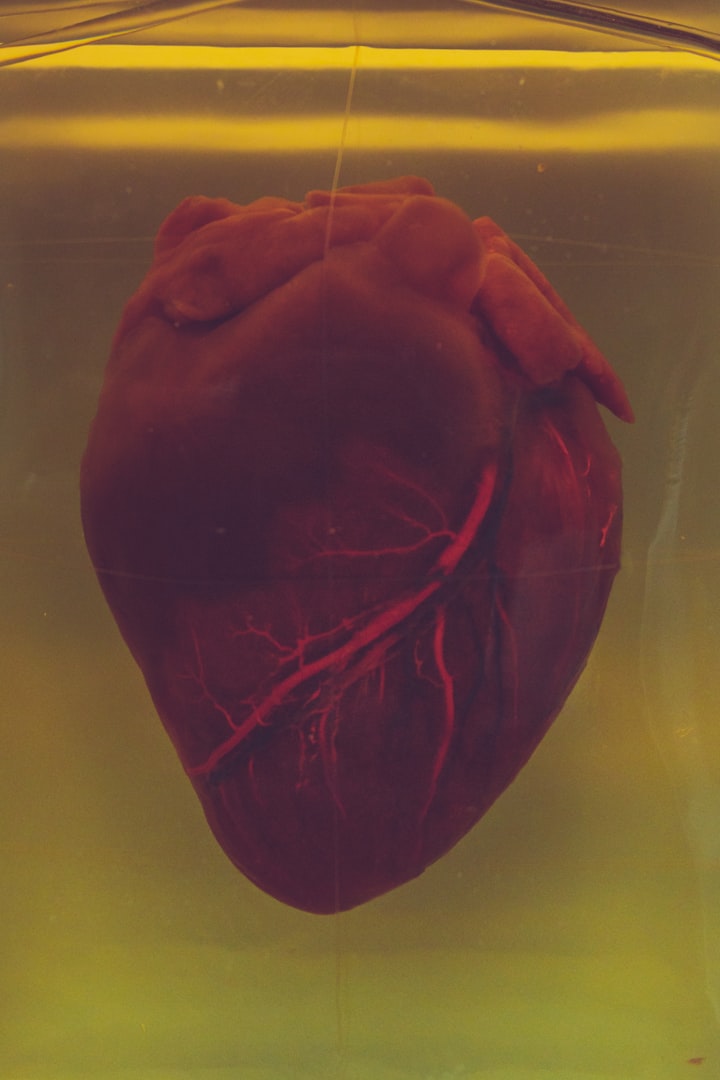
Since an earlier diagnosis of heart disease can save lives, blood testing has been used for more than 50 years to detect substances present in our blood that can be a sign of heart disease or the risk of developing a disease in the near future. The blood test that you need to take to diagnose your heart disease depends on the condition that your doctor suspects that you might have and is also based on the symptoms you experience, your medical history and risk factors. Here are some of the common blood testing services offered by a diagnostic lab to diagnose heart disease.
Cholesterol Test
A cholesterol test measures the level of different types of cholesterol such as LDL cholesterol, HDL cholesterol, total cholesterol and a type of fat called triglycerides in your blood. LDL cholesterol is further known as bad cholesterol, whereas HDL cholesterol is known as good cholesterol. Too much bad cholesterol in the blood is the major cause of heart disease. Your doctor may order this test when you have any of the risk factors such as:
Type 2 diabetes
High blood pressure
Obesity
Smoking
Physical inactivity
Ideal cholesterol test results for adults are:
LDL cholesterol : 70 to 130mg/dL(milligrams per deciliter)
HDL cholesterol: More than 40 to 60 mg/dL
Total cholesterol: Below 200mg/dL
Triglycerides: 10 to 150mg/dL
You have more risk of heart diseases, stroke and other serious conditions if your blood test results are outside the normal range of cholesterol. In such cases, you may need to take a blood glucose test or thyroid test.
Troponin T Test
Troponin T test is a blood test that measures the level of a protein called Troponin T found in your blood. This test is mostly used to monitor angina(chest pain) and diagnose a heart attack. You may need a Troponin T test if you’re experiencing symptoms associated with heart attack such as:
Pain in arm, neck, back or jaw
Chest pain
Fatigue
Shortness of breath
Nausea and vomiting
If your blood test results show high troponin levels, then it means you had a heart attack. But there are also certain other reasons for high troponin levels such as:
Congestive heart failure(CHF)
Blood clot within the lungs
Kidney disease
Lipoprotein(a) Test
A lipoprotein(a) blood test is often used to check the level of a type of LDL cholesterol called Lipoprotein(a) in your blood. This blood testing service is often used to determine the risk of developing a heart attack, stroke and other heart diseases. Your doctor may order this test if you have:
Heart disease, even though your lipid test results were normal
A family medical history of heart disease
High cholesterol, even if you have maintained a healthy diet
If your blood test results show high lipoprotein(a) level, then you’re at risk of developing heart disease. You should avoid taking this test if you have:
Fever
Considerable weight loss recently
Pregnancy
Infection
High Sensitivity C-reactive Protein(hs-CRP) Test
A C-reactive protein is a protein produced by the liver as a result of inflammation or infection or recent heart attack or surgery. This blood testing service checks the level of C-reactive protein in your blood. The test, in conjunction with other tests such as lipoprotein-associated phospholipase A2 test or lipid panel test, is often used to evaluate the risk of developing cardiovascular disease. High hs-CRP level is a sign that you're at higher risk of cardiovascular disease, heart attack or stroke. You've a higher risk of heart disease if your blood test results show more than 2mg/L(milligrams per litre) of hs-CRP.
It’s important to remember that merely undergoing blood testing services won’t be beneficial in determining your risk of developing heart disease. Diabetes, high blood pressure, smoking and high cholesterol are a few of the most important risk factors of heart disease.
About the Creator
Day 4 of Quitting
If this is how sobriety feels, maybe it’s better to go through life a little buzzed… this, along with other hits like, I want to kill myself, I wish I was dead, and I’m going to throw myself off a bridge have been the only thoughts on rotation these past few days. I promise myself that if, in a month, I still feel like this (‘this’ meaning despondent, full of rage, and simultaneously numb) I can go back to smoking. Until mid-February though? Nicotine is off the table.
By sleepy drafts16 days ago in Longevity
Top 3 Indian Towns with Sub-Zero Temperatures: Experiencing the Frozen Extremes
India is a land of contrasts. From tropical beaches to arid deserts, the subcontinent boasts an incredible diversity of climates. While most think of India as a warm, sun-drenched country, it also has regions where winters are harsh, and temperatures plunge well below zero. These towns, located mainly in the Himalayas, challenge the very notion of life in extreme cold. For travelers, adventurers, and researchers, they offer a unique experience—a glimpse into a frozen, high-altitude world where survival is a skill and winter reigns supreme. Here, we explore the top three Indian towns known for sub-zero temperatures. 1. Dras, Ladakh: India’s Coldest Inhabited Town Nestled in the Kargil district of Ladakh, Dras holds the title of the coldest inhabited town in India. Sitting at approximately 3,300 meters above sea level, Dras experiences winter temperatures that often plummet to –30°C or lower, earning it the nickname "The Gateway to Ladakh." The town’s extreme cold results from its high altitude and the valley’s geography, which traps frigid winds. Winter in Dras is not just cold; it is long and harsh. Heavy snowfall can isolate the town for weeks, making access to essential supplies a challenge. Roads often close, and the local population relies heavily on stored provisions and community support. Despite the harsh climate, Dras is rich in culture and history. Its proximity to the Line of Control makes it strategically important for India, and the military presence is significant. Locals have adapted with sturdy stone houses, traditional woolen attire, and high-calorie diets to withstand the biting cold. For visitors, Dras offers breathtaking landscapes of snow-capped peaks and frozen rivers, a rare glimpse into extreme high-altitude life. 2. Leh, Ladakh: The Cold Desert Capital Leh, the capital of Ladakh, is perhaps India’s most famous cold-weather town. At 3,500 meters above sea level, Leh regularly sees winter temperatures fall below –15°C, and nights can be even colder. Despite being a major tourist hub in summer, Leh transforms into a cold desert in winter, where life slows down, and survival becomes the primary focus. Leh’s unique climate—dry, thin air combined with intense cold—creates one of the harshest living environments in the country. Snowfall is lighter than in Dras, but the cold is uncompromising. The frozen Zanskar River becomes the site of the Chadar Trek, an adventure that attracts thrill-seekers worldwide but demands careful preparation against frostbite and hypothermia. Residents of Leh have mastered the art of enduring the cold. Homes are built with thick walls and insulation, heating is often solar-assisted, and winter diets are rich in fats to sustain energy. Leh illustrates human resilience in extreme conditions, combining traditional knowledge with modern adaptations. 3. Keylong, Himachal Pradesh: The Frozen Heart of Lahaul Keylong, located in the Lahaul and Spiti district of Himachal Pradesh, is another town where winter is a formidable force. At an altitude of roughly 3,100 meters, Keylong’s temperatures can drop to –10°C to –20°C during the coldest months. Unlike Ladakh, Keylong experiences heavy snowfall, which often blocks roads and isolates the town. Life in Keylong is shaped by the winter’s harshness. Locals store essential supplies months in advance and rely on traditional wooden houses and insulated clothing to survive. The town, surrounded by snow-covered peaks and monasteries, holds cultural and administrative importance in the region. Infrastructure projects such as the Atal Tunnel have improved connectivity during winter, making Keylong more accessible. However, the town remains a challenging environment, reminding visitors of nature’s power and the endurance required to live in high-altitude cold zones. Why These Towns Are Significant These sub-zero towns highlight India’s climatic diversity and showcase human adaptation in extreme conditions. They are living examples of how culture, infrastructure, and survival strategies intertwine to sustain communities in some of the harshest environments on Earth. Furthermore, these regions offer important insights into climate change. Shifts in snowfall, glacier melt, and temperature extremes directly affect local life, agriculture, and water resources. Studying these towns helps scientists understand high-altitude ecosystems and develop strategies to mitigate climate risks. Final Thoughts India’s frozen towns challenge the perception of the country as a land of heat and humidity. Dras, Leh, and Keylong not only experience sub-zero temperatures but also demonstrate resilience, tradition, and adaptation. They are destinations for adventurers, scientists, and travelers seeking to experience life where winter dominates, nature is formidable, and survival is a daily achievement. Visiting these towns is more than sightseeing—it is an opportunity to witness human ingenuity and endurance against some of the harshest winters on the planet, offering a perspective of India that few outside the Himalayas truly understand.
By Fiaz Ahmed Brohi5 days ago in Longevity



Comments
There are no comments for this story
Be the first to respond and start the conversation.