
How is COVID Test Conducted in Digital Diagnostic Centers
Find how a COVID 19 test is performed.
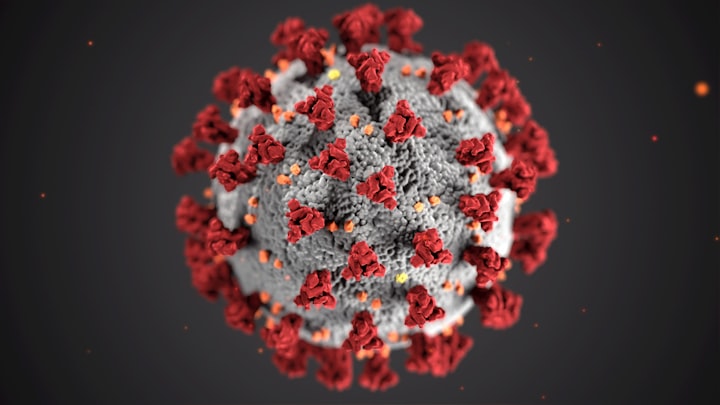
At present, the RT-PCR test remains the gold standard of COVID-19 testing in Digital diagnostic centers. Then comes the rapid antibody test, which is quick and inexpensive. Both types of COVID-19 test have their caveats, and as the cases rise day by day, alternative ways to screen for COVID-19 are sought after by researchers. Numerous techniques are used to detect the symptoms associated with COVID-19 and to curb the spread of this deadly disease.
The procedure of RT-PCR test Conducted in Digital Diagnostic Centers
Reverse Transcription-Polymerase Chain test (RT-PCR) or molecular test are used to detect viruses, rather than antibodies and require nasal and throat swabs. The test helps detect RNA of the virus, which is present even before a person experiences the symptoms associated with COVID-19.
Before the antibody forms, RNAs will be present in a person’s body. The test can also find out whether a person has COVID-19 very early on. Before detecting the virus, through a process known as Reverse transcription, the RNA of the person tested will be converted to DNA.
Using a swab, a sample is collected from the back of your throat and deep inside your nose by a healthcare provider at the digital diagnostic center. A 6-inch long swab is inserted into the cavity between the mouth and nose for 15 seconds. The swab is rotated within the cavity for a few times and then taken out. To collect sufficient samples for testing, this process is repeated on the other part as well. At times, a saliva sample is also collected for testing.
To separate RNA, the sample collected is treated with chemical solutions. With that, both fat and protein within the sample will be separated, leaving the RNA. The sample will be sent to the lab, after separating the RNA, for analysis. The virus is detected using an RT-PCR machine in the laboratory.
Even though the test help detects the virus in those with no symptoms, the test results turned out to be falsely positive in around 30% of cases. Because of this reason, to confirm as non-infectious, the patients are tested twice. The results of the RT-PCR test are available within 3 hours. But some digital diagnostic centers can take up to eight hours.
The result will be regarded as positive if the RNA extracted shares the same sequence of the SARS-CoV-2 virus. The reason why this test is quite expensive is that it requires RNA extracting machines and trained laboratory technicians. At present, the price of the RT-PCR test is between Rs 2200 and Rs 3000.
The procedure of Rapid Antibody Test Conducted in Digital Diagnostic Center
Typical COVID tests involve testing of saliva or mucus samples, and its results can take up to 48 hours, which is a rather long time. But for rapid antibody test, the results can be availed from a digital diagnostic center after 30 minutes. It’s a pre-screening test, but not a confirmatory test. By conducting the test, the number of people affected by the virus can be understood.
Rapid antibody test or serology test is not just fast, but inexpensive. The test involves a simple blood draw to detect antibodies for coronavirus. The test is often used to measure the extent of the virus in a community. The immune system uses antibodies to identify and neutralise microorganisms like bacteria and viruses.
During a rapid antibody test, the healthcare provider at the digital diagnostic center will draw blood samples from a finger which is examined for IgM antibodies and IgG antibodies. Sometimes, a blood sample will be taken from a vein in your arms. The IgG antibodies only appear lately in an infection, whereas IgM antibodies appear early. At present, the price of rapid antibody tests is between Rs 500 and Rs 600.
The procedure of Rapid Antigen Test Conducted in Digital Diagnostic Centers
Rapid antigen test is used to detect viruses, rather than antibodies, and require nasal swabs, similar to the RT-PCR test. The test helps detect RNA of the virus, the viral load(amount of virus) in the swab. Antigens are present in the SARS CoV-2 Virus. Using a swab, a nasal sample is collected and after that tested for antigen. The results can be availed from the digital diagnostic center within the shortest time(within 30 minutes), and the antigen test is normally performed outside the conventional lab setting.
Even though the mechanism is different for both RT-PCR test and rapid antigen test, the significant difference between both tests is time. RT-PCR takes a minimum of 3 hours, whereas, for rapid antigen test, the maximum duration to interpret the result is just 30 minutes.
To find out which test should be performed, the purpose of testing needs to be defined.
During an infection, your test results may turn out to be positive at different points of time. After getting exposed, within a few days, the amount of virus may become high in the respiratory tract, and the results of RT-PCR turns out to be positive. The rapid test results will be negative, in case if the person has not developed antibodies. But antibodies may increase after a few days, where the Rapid test will show positive and RT-PCR negative.
A positive rapid antibody test doesn’t mean that the person is infectious and requires isolation- it means that the person has developed antibodies after getting infected with the virus. Doctors choose over RT-PCR for both diagnosis and treatment. If a person is tested positive, then the person needs to be isolated and should be given treatment if symptoms emerge.
About the Creator
Day 4 of Quitting
If this is how sobriety feels, maybe it’s better to go through life a little buzzed… this, along with other hits like, I want to kill myself, I wish I was dead, and I’m going to throw myself off a bridge have been the only thoughts on rotation these past few days. I promise myself that if, in a month, I still feel like this (‘this’ meaning despondent, full of rage, and simultaneously numb) I can go back to smoking. Until mid-February though? Nicotine is off the table.
By sleepy drafts16 days ago in Longevity


Comments
There are no comments for this story
Be the first to respond and start the conversation.