
Bloating After Bread?
Struggling with bloating after eating bread? I did, too!

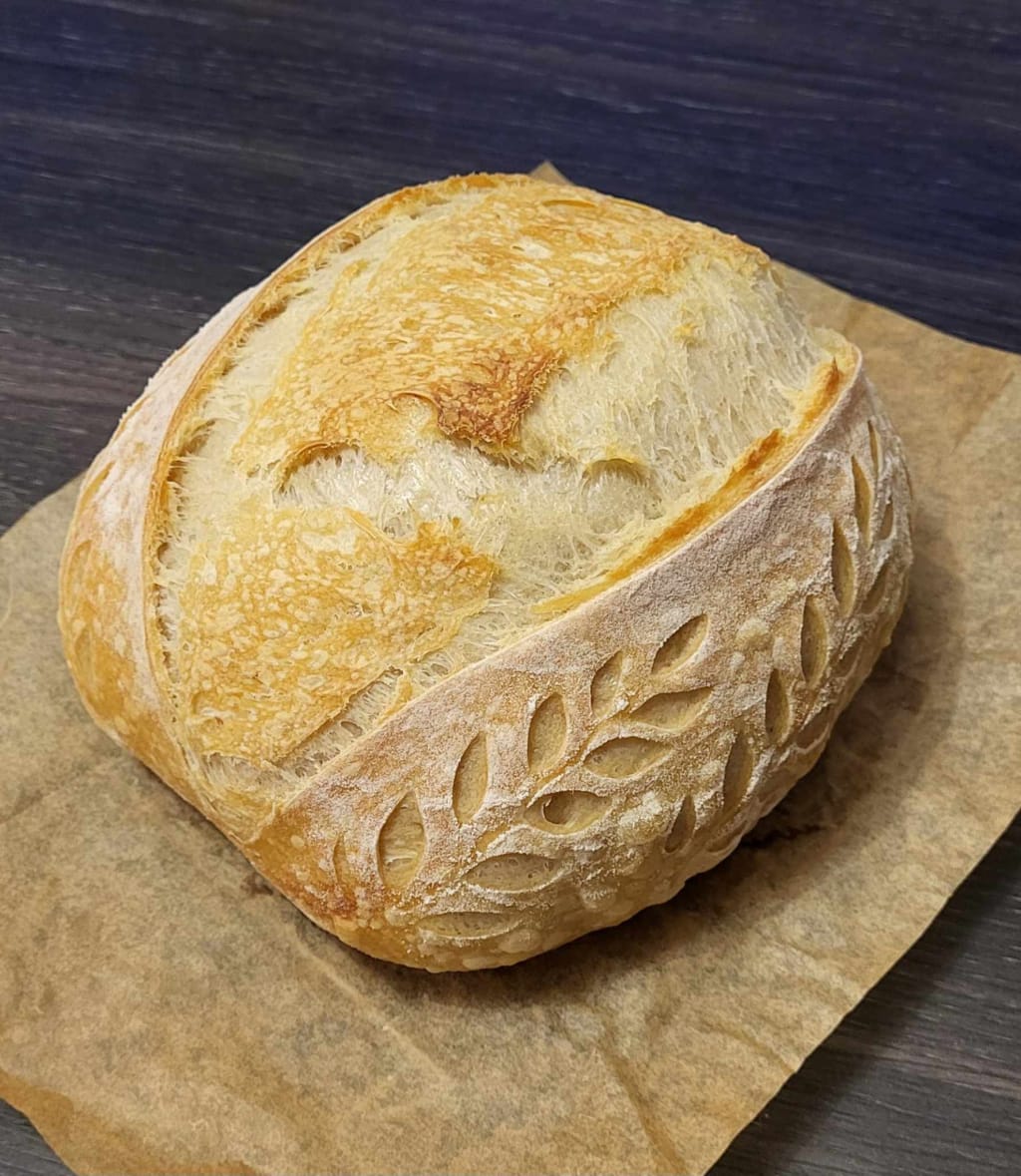
Most of us probably know the uncomfortable, and at times even painful, bloated feeling after eating bread. The saddest part about this is that it’s considered “normal”. And while it is indeed common, it is very much not normal.
The human body’s natural state isn’t to be in pain or discomfort. Quite the opposite, actually – it’s our body’s way of communicating with us to let us know that something is off, that something is wrong. Pain is our body’s way of yelling at us, and we should learn to listen to it.
Let’s try it out and listen to our stomach’s complaints after eating bread. And that doesn’t mean quitting bread or other delicious pastries. What if there was a way to eat bread without getting that “balloon in the belly” feeling?
Well, there is – and actually has been for thousands of years. The quick and simple answer is – sourdough bread. The long answer has a little more to it.
***
Sourdough is one of the oldest types of bread. This bread-making method is believed to have originated in Ancient Egypt, where bakers discovered the process of fermentation by accident. The mixture of flour and water interacted with the wild yeast and lactic acid bacteria from the environment, causing the bread dough to rise.
Sourdough bread only has four ingredients: flour, water, salt, and sourdough starter, but since the starter also has only water and flour in it, technically the bread has only three components. Meanwhile, most store-bought breads have almost twenty ingredients, the majority of which are unpronounceable to an average person. And if that’s not enough, most breads in the U.S. have the sugar content of a cake. It’s like making a breakfast sandwich on a slice of birthday cake and wondering why your body reacts to it so aggressively.

Many people who have been diagnosed with some type of gluten allergy or intolerance have said that eating sourdough bread doesn’t cause any of the reactions that other types of bread might cause. It may sound like magic or witchcraft, but it really isn’t once you understand the science behind it.
Gluten is a protein found in wheat, and some health conditions make it hard to digest – that’s where the bloating, heavy feeling, and other symptoms after eating store-bought bread come from.
Sourdough bread-making process includes a long and slow dough fermentation step, during which the bacteria in the sourdough starter break down the gluten, making it easier for the body to digest. Of course, every person is different, and health conditions vary, so everyone has to try it out for themselves. But many of my friends who had almost given up on bread found they could easily enjoy sourdough – so it’s worth giving a shot.
If that’s not enough to make you try sourdough bread, the list of benefits isn’t even close to an end. Sourdough bread also contains beneficial bacteria, and yes, a lot of the bacteria won’t survive the hot temperatures the bread is baked at, but a lot of it does. One of these bacteria is prebiotics, which contribute to gut health by supporting the balance of gut flora. To put it simply – prebiotics in sourdough are the food for the “good bacteria” that live in our gut.
Furthermore, the sourdough fermentation helps reduce phytates. Phytates are compounds found in whole grains, nuts, seeds, and legumes that can block the absorption of healthy minerals into your body. The lactic acid bacteria in sourdough break down these phytates, making it easier for your body to absorb minerals like iron, zinc, magnesium, and potassium.
***
And lastly, probably not the most important part health-wise, but still quite important – sourdough bread is incredibly delicious! It has a unique, mildly sour taste and a nice, chewy texture. It’s fluffy on the inside and has a lovely, crunchy crust on the outside.
So if you are someone who struggles with bloating after eating store-bought bread, give it a try. It might also be a wonderful and thoughtful gift for someone who struggles with the same issues. And if you want, you can take it even one step further – bake the bread yourself! It’s a journey, but the results are worth all the time and effort.
***
I’m a professional baker and pastry chef with over ten years of experience working in various settings, and of course, I’ve been eating my own products as well.
For the longest time, I thought it was normal to feel bloated after eating bread – I never questioned it. At some point, I started wondering if I might have a gluten intolerance, or if it had something to do with commercial yeast causing the issue.
But shortly after that, I began my sourdough journey. When I tell you I ate bread all day, every day, quite literally, I mean it. And I've never had any issues with bloating, even after having bread for breakfast, lunch, and dinner.
After experiencing this, there was no going back. I’ve been making artisan sourdough bread, sandwich bread, and pastries for more than two years now, and I feel like I’ve been keeping a secret that should be shared with everyone.
I know starting out with sourdough can be frustrating and confusing at first, but once you get the hang of it, it’s so worth it.

About the Creator
Cristal S.
I’ve noticed when I follow the path I enjoy most, I often end up swimming upstream. So here I am, right in the middle of it – writing about it all and more. ♡
Keep reading
More stories from Cristal S. and writers in Longevity and other communities.
Day 4 of Quitting
If this is how sobriety feels, maybe it’s better to go through life a little buzzed… this, along with other hits like, I want to kill myself, I wish I was dead, and I’m going to throw myself off a bridge have been the only thoughts on rotation these past few days. I promise myself that if, in a month, I still feel like this (‘this’ meaning despondent, full of rage, and simultaneously numb) I can go back to smoking. Until mid-February though? Nicotine is off the table.
By sleepy drafts5 days ago in Longevity
Greenland Claims: How Close Have NATO Members Come to Fighting Each Other?
Recent claims and rhetoric surrounding Greenland have reignited an uncomfortable question for the Western alliance: how close have NATO members come to open confrontation with one another? While NATO is built on collective defense and mutual trust, history shows that unity has at times been tested—sometimes severely.
By Aarif Lashari3 days ago in Longevity




Comments
There are no comments for this story
Be the first to respond and start the conversation.