
Benefits of Yoga for Stress Relief and Mental Health
Unwind Your Mind: The Yoga Solution

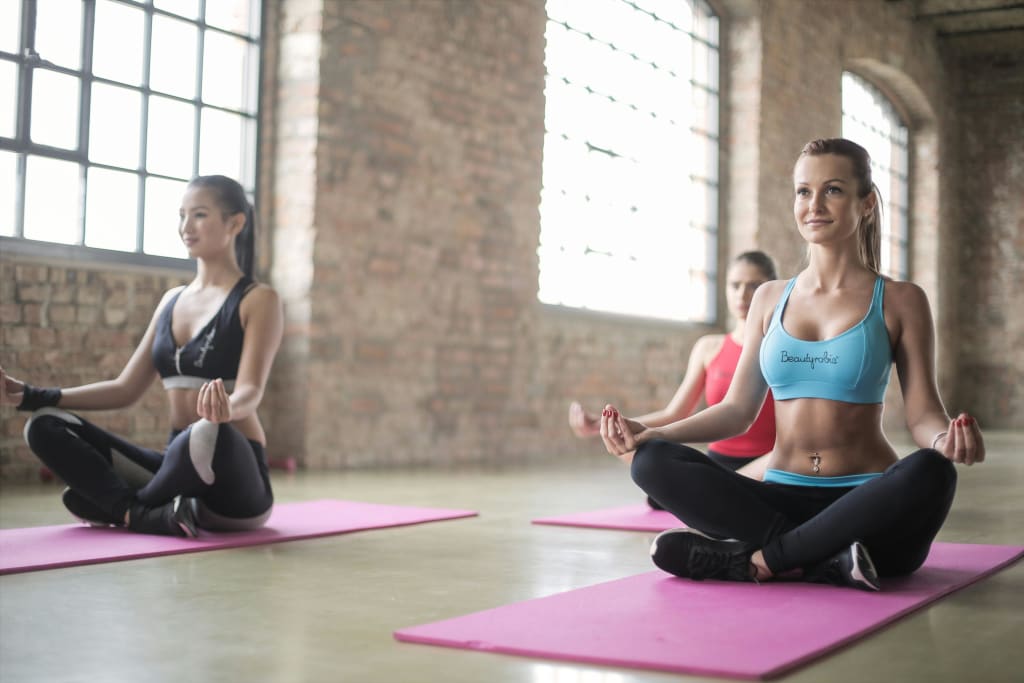
Feeling overwhelmed? Like the weight of the world is resting squarely on your shoulders? You're not alone. In today's fast-paced world, stress and mental health challenges are increasingly common. But what if there was a practice that could help you find calm amidst the chaos? Enter yoga, a powerful tool for stress relief and mental well-being. Let's explore the remarkable benefits this ancient practice offers.
Understanding the Connection Between Yoga and Mental Wellness
Yoga is more than just twisting yourself into pretzel-like shapes. It's a holistic practice that integrates physical postures (asanas), breathing techniques (pranayama), and meditation. Consequently, this combination works synergistically to calm the nervous system and promote mental clarity. Furthermore, the mindful movement involved in yoga asanas helps to release physical tension, which often manifests as stress. Similarly, deep breathing exercises regulate the body's stress response, reducing the production of cortisol, the "stress hormone." In addition, the meditative aspects of yoga foster a sense of inner peace and self-awareness, crucial for managing stress and anxiety.
Specific Ways Yoga Helps Alleviate Stress
Now, let's delve into the specific ways yoga can help you combat stress. First and foremost, yoga promotes relaxation. Through the combination of physical postures, controlled breathing, and mindfulness, yoga encourages the body to shift from the "fight-or-flight" response to the "rest and digest" state. Secondly, yoga improves mood. Studies have shown that yoga can increase levels of GABA, a neurotransmitter associated with feelings of calm and well-being. Moreover, the practice of yoga can enhance self-esteem and body image, contributing to a more positive outlook on life. Finally, yoga cultivates mindfulness. By focusing on the present moment during your practice, you learn to observe your thoughts and feelings without judgment, a skill that translates beautifully into everyday life, helping you manage stress more effectively.
Different Yoga Styles for Stress Management
Not all yoga styles are created equal, especially when it comes to stress management. For instance, gentle styles like Hatha and restorative yoga are excellent for beginners and those seeking a calming experience. These styles emphasize slow movements, deep breathing, and relaxation. On the other hand, Vinyasa and Ashtanga yoga, while offering physical benefits, can be more challenging and may not be the best choice for individuals experiencing high levels of stress. Ultimately, the key is to find a style that resonates with you and allows you to connect with your inner peace.
Integrating Yoga into Your Daily Routine
Incorporating yoga into your daily routine doesn't require hours of practice. Even short sessions can make a significant difference. You can start with a few simple poses, such as the child's pose or downward-facing dog, and gradually increase the duration and complexity of your practice. Furthermore, online resources, including videos and guided meditations, can make it easier to practice at home. Additionally, joining a local yoga class can provide a sense of community and support, which can be beneficial for stress management. Remember, consistency is key. Even 10-15 minutes of yoga a day can have cumulative effects on your stress levels and mental well-being.
Embracing a Calmer You: The Power of Yoga
Yoga is not a quick fix for stress and mental health challenges. It's a journey, a continuous practice that requires patience and dedication. However, the rewards are immeasurable. By embracing yoga, you can cultivate inner resilience, manage stress more effectively, and experience a greater sense of peace and well-being. So, take a deep breath, unroll your mat, and embark on this transformative journey towards a calmer, healthier you.
FAQs
Q: I'm completely new to yoga. Is it still possible for me to benefit from it for stress relief?
A: Absolutely! Yoga is for everyone, regardless of age, fitness level, or experience. Many styles, like Hatha and Restorative Yoga, are gentle and beginner-friendly. Start with basic poses and focus on your breath. You can also find beginner classes or online resources specifically designed for those new to yoga.
Q: How often should I practice yoga to see a difference in my stress levels?
A: Consistency is key. Even short, regular sessions are more beneficial than infrequent, longer ones. Aim for at least a few times a week, and ideally, incorporate some yoga into your daily routine, even if it's just for 10-15 minutes. Listen to your body and adjust the frequency as needed.
Q: What type of yoga is best for stress relief?
A: Gentle styles like Hatha, Restorative, and Yin yoga are generally recommended for stress relief. These styles emphasize relaxation, deep breathing, and mindfulness. However, any type of yoga can be beneficial as long as you focus on connecting with your breath and being present in the moment. Experiment with different styles to find what works best for you.
Q: Can yoga replace therapy or medication for mental health conditions?
A: While yoga can be a powerful tool for stress management and improving mental well-being, it's not a replacement for professional medical advice or treatment. If you're experiencing a mental health condition, it's important to consult with a qualified healthcare professional. Yoga can be a complementary practice alongside therapy and/or medication.
Q: I'm not very flexible. Can I still do yoga?
A: Flexibility is not a prerequisite for yoga. Yoga is about progress, not perfection. Many poses can be modified to accommodate different levels of flexibility. Focus on your own body and avoid pushing yourself beyond your limits. Regular practice will gradually improve your flexibility over time.
Q: Where can I find yoga classes or resources for beginners?
A: Many local studios offer beginner yoga classes. You can also find numerous online resources, including videos and guided meditations, specifically designed for beginners. Do some research to find a reputable instructor or resource that resonates with you.
Q: What should I wear to a yoga class?
A: Wear comfortable, stretchy clothing that allows you to move freely. Yoga is typically practiced barefoot, but you can wear socks if you prefer.
Q: What are some simple yoga poses I can do at home for stress relief?
A: Some great poses for stress relief that you can do at home include the child's pose, downward-facing dog, cat-cow pose, legs-up-the-wall pose, and corpse pose (savasana). There are many tutorials available online to guide you through these poses.
Q: Is yoga a religion?
A: Yoga is not a religion. While it originated in ancient India and has connections to spiritual traditions, it is a practice that can be enjoyed by people of all faiths or no faith at all. The focus is on physical postures, breathing techniques, and mindfulness, which are beneficial for everyone.
About the Creator
Day 4 of Quitting
If this is how sobriety feels, maybe it’s better to go through life a little buzzed… this, along with other hits like, I want to kill myself, I wish I was dead, and I’m going to throw myself off a bridge have been the only thoughts on rotation these past few days. I promise myself that if, in a month, I still feel like this (‘this’ meaning despondent, full of rage, and simultaneously numb) I can go back to smoking. Until mid-February though? Nicotine is off the table.
By sleepy drafts11 days ago in Longevity
Center Stage with Paul Stewart
*** I'm keen to republish the interviews I did for my series with Vocal creators. It's been a few years and I thought it might be nice to revisit these wonderful conversations. I'll be releasing them one at a time for a few weeks/months.
By Heather Hubler4 days ago in Interview



Comments
There are no comments for this story
Be the first to respond and start the conversation.