
Benefits of a Mediterranean diet and 10 tips
Subtitle: Embracing the Mediterranean Way: Unlocking the Health Benefits and 10 Tips for Success
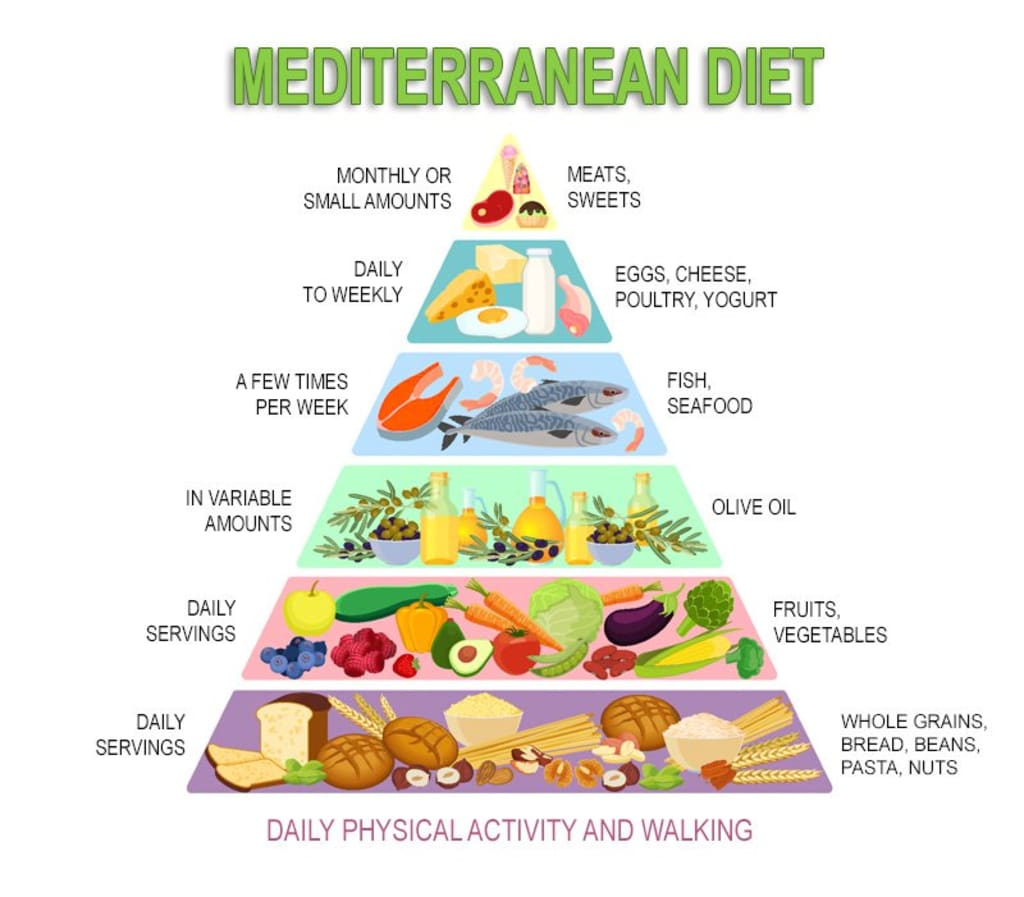
The Mediterranean diet is inspired by the traditional eating patterns of countries bordering the Mediterranean Sea, such as Greece, Italy, Spain, and Morocco. This dietary approach emphasizes whole, minimally processed foods, abundant plant-based foods, and healthy fats. The Mediterranean diet has gained recognition for its numerous health benefits. In this article, we will explore the advantages of following a Mediterranean diet and provide 10 practical tips to incorporate it into your lifestyle.
Benefits of a Mediterranean Diet:
1. Heart Health: The Mediterranean diet is associated with a reduced risk of heart disease. It emphasizes the consumption of heart-healthy fats, such as olive oil, nuts, and seeds, while limiting saturated and trans fats. This dietary pattern also includes a high intake of fruits, vegetables, whole grains, and legumes, which provide antioxidants and fiber beneficial for cardiovascular health.
2. Reduced Risk of Chronic Diseases: Following a Mediterranean diet has been linked to a decreased risk of various chronic diseases, including type 2 diabetes, certain cancers, and neurodegenerative conditions like Alzheimer's disease. The diet's emphasis on whole foods, antioxidants, and anti-inflammatory compounds can contribute to improved overall health and disease prevention.
3. Weight Management: The Mediterranean diet can support healthy weight management. It emphasizes nutrient-dense, low-calorie foods while discouraging the consumption of processed and sugary foods. The inclusion of high-fiber foods, lean proteins, and healthy fats helps promote satiety and may lead to better appetite control and weight maintenance.
4. Brain Health: Studies suggest that adherence to a Mediterranean diet is associated with better cognitive function and a reduced risk of cognitive decline. The diet's components, such as fish, nuts, olive oil, and berries, contain nutrients that support brain health, including omega-3 fatty acids and antioxidants.
5. Improved Digestive Health: The Mediterranean diet includes a variety of fiber-rich foods, such as fruits, vegetables, whole grains, and legumes, which promote a healthy gut microbiome and support digestive health. Adequate fiber intake can improve bowel regularity and may lower the risk of conditions like constipation, diverticulosis, and colorectal cancer.
6. Nutrient-Rich Foods: The Mediterranean diet focuses on whole, minimally processed foods that are naturally rich in vitamins, minerals, and antioxidants. The abundance of fruits, vegetables, herbs, and spices provides a wide range of nutrients that contribute to overall health and well-being.
7. Sustainability and Enjoyment: The Mediterranean diet is not only beneficial for health but also emphasizes sustainability and enjoyment of food. It promotes a balanced and pleasurable approach to eating, including socializing with family and friends over meals, savoring food flavors, and practicing mindful eating.
10 Tips to Follow a Mediterranean Diet:
1. Prioritize Plant-Based Foods: Fill your plate with a variety of fruits, vegetables, whole grains, legumes, nuts, and seeds.
2. Include Healthy Fats: Use olive oil as your primary source of fat, and incorporate foods rich in healthy fats like avocados, nuts, and fatty fish.
3. Moderate Dairy and Poultry: Consume moderate amounts of dairy products, such as yogurt and cheese, and poultry like chicken and turkey.
4. Limit Red Meat: Limit red meat consumption and opt for leaner protein sources like fish, poultry, and legumes.
5. Choose Whole Grains: Opt for whole grains such as brown rice, quinoa, whole wheat bread, and whole grain pasta instead of refined grains.
6. Eat Fish Twice a Week: Include fatty fish like salmon, mackerel, or sardines at least twice a week for their omega-3 fatty acid content.
7. Flavor with Herbs and Spices: Use herbs and spices to season your meals instead of relying on salt, which helps reduce sodium intake.
8. Enjoy Fruits as Desserts: Satisfy your sweet tooth with fresh fruits instead of sugary desserts.
9. Stay Hydrated: Drink plenty of water throughout the day and limit sugary beverages.
10. Practice Moderation: Enjoy your meals mindfully, and listen to your body's hunger and fullness cues. Practice portion control and avoid overeating.
Click here : https://www.digistore24.com/redir/283755/Lina-ci/
Incorporating the Mediterranean diet into your lifestyle can provide a range of health benefits. Remember that it's a flexible eating pattern, and you can adapt it to your cultural preferences and dietary needs. Consulting with a registered dietitian can provide personalized guidance and help you create a meal plan that suits your specific goals and preferences.
About the Creator
Keep reading
More stories from Полина Тарадойна and writers in Longevity and other communities.
High-protein diet
A high-protein diet is often favored by individuals looking to build muscle, support athletic performance, or simply increase their protein intake. Including a variety of protein-rich foods in your diet can provide essential amino acids for muscle repair, growth, and overall health. Here are ten examples of protein-rich foods that can be incorporated into a high-protein diet:
By Полина Тарадойна3 years ago in Longevity
The Connection Between ADHD and Genetics.
Commentary An Impulsive Gene? My youngest son jumps from one task to another. Ask him to clean his room, he eventually quits because he becomes fixated on something. He can’t sit still for long. On the other hand, when he’s doing something he likes, he is fixated on it, sometimes barely taking in his surroundings or listening to others.
By Dean Traylor4 days ago in Longevity
From ad men to mad men
It's after 2am in the morning when a local police patrol vehicle in Northern New Jersey spots a figure costumed as Quasimodo, The Hunchback of Notre Dame, proceeding southbound on the sidewalk along Lydecker Street. Though the hunchback’s costume stuffing offers added insulation, it's January, and friggin’ freezing. Carefully, the officers slow down, gently question the subject, and offer him a ride home.
By David W. Maury6 days ago in Humor




Comments
There are no comments for this story
Be the first to respond and start the conversation.