
Aerobic vs. Strength: Unveiling Which Exercise Truly Helps You Slim Down!
Losing weight isn’t just about watching what you eat—it’s also about moving your body in ways that boost your energy and confidence. Many of us face the classic dilemma: should we focus on aerobic exercise, like running or brisk walking, or should we hit the weights and build strength? In this article, we dive into both worlds, share real-life success stories, and reveal how combining them can unlock your best self.


I. Aerobic Exercise: The Heart-Pounding Fat Burner
1.Definition & Characteristics
Aerobic exercise is any activity that increases your heart rate and breathing over a sustained period. Think running, cycling, swimming, or even a fast-paced walk. These activities get your blood pumping, enhance cardiovascular fitness, and help you burn calories efficiently.

2.The Science Behind Fat Burning
When you engage in aerobic exercise, your body taps into stored fat to fuel your muscles. This continuous, rhythmic activity creates a steady calorie deficit, making it easier to shed those extra pounds over time.
3.Real-Life Success Story
Meet Sarah, a busy professional from Austin, Texas. She committed to 30 minutes of brisk walking every morning. Within three months, Sarah not only lost 5 pounds but also reported increased energy and a clearer mind. Her success is proof that even modest changes can yield big results.

4.Pros & Cons
Pros:
Rapid calorie burn during the activity
- Improved heart health and endurance
- Easily adaptable to various fitness levels
Cons:
- May not sufficiently build muscle tone
- Can sometimes lead to muscle loss if done excessively without strength training
II. Strength Training: The Metabolic Booster and Body Sculptor
1.Definition & Characteristics
Strength training involves resistance exercises like weightlifting, push-ups, squats, and resistance band workouts. Its primary goal is to build muscle mass, which in turn boosts your resting metabolism—the number of calories you burn even while sitting!

2.How It Works for Fat Loss
By increasing muscle mass, your body becomes a more efficient calorie-burning machine. Even after your workout, your metabolism stays elevated, aiding in long-term fat loss. This approach is not just about the numbers on the scale—it’s about transforming your body composition for a leaner, more toned physique.

3.Real-Life Success Story
Consider Mike from Seattle, a former desk-bound engineer who decided to give strength training a shot. Under the guidance of a personal trainer, Mike integrated resistance exercises into his routine. Over six months, he not only dropped several pounds but also built noticeable muscle, achieving a more defined and powerful look.

4.Pros & Cons
Pros:
- Long-term metabolic benefits
- Enhances muscle tone and overall body strength
- Helps maintain weight loss by preventing muscle loss
Cons:
- Initial workouts can feel challenging if you're new to lifting
- Might require proper guidance to void injury
III. The Perfect Partnership: Combining Aerobic & Strength Training
1.Why Not Both?
The beauty of combining aerobic exercise with strength training is that you can enjoy the best of both worlds. While aerobic exercise burns calories and improves your heart health, strength training builds muscle that keeps your metabolism high—even at rest. This dynamic duo creates a balanced fitness routine that maximizes fat loss and enhances overall body composition.

2.A Comprehensive Success Story
Take Lisa from Denver, Colorado, who adopted a hybrid training plan. She dedicated three days a week to cardio—mixing running and cycling—and two days to strength training. Within four months, Lisa lost 10 pounds and significantly improved her muscle tone. Her transformation was not just physical; she felt more confident, energetic, and ready to take on new challenges.

3.Crafting Your Personalized Plan
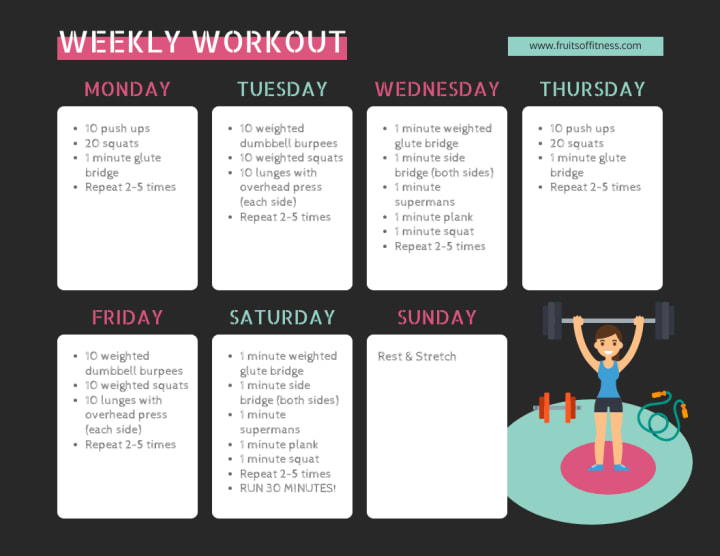
If you’re ready to dive in, consider a balanced weekly plan:
3 days of aerobic activity: Choose your favorite cardio exercise (running, swimming, brisk walking, or cycling) for at least 30 minutes.
2 days of strength training: Focus on full-body workouts that target major muscle groups.
Tailor your routine to fit your interests, schedule, and fitness level. Remember, consistency is key—small steps lead to big changes over time.
IV. Conclusion & Your Next Steps
In the quest for a healthier, slimmer you, both aerobic and strength training play crucial roles. Each offers unique benefits that, when combined, provide a powerful strategy to boost your metabolism, burn fat, and sculpt your body.

Call to Action:
It’s time to take charge of your fitness journey. Experiment with both aerobic and strength training to discover what works best for your body and lifestyle. Consider using a fitness app or joining a local gym community to stay motivated. Remember, every step you take is a step closer to the new you. Stay consistent, celebrate small victories, and embrace the journey toward a healthier life!

By blending science, real-life experiences, and practical tips, you now have a roadmap to a more balanced and effective fitness routine. Embrace the challenge, and let your journey to a healthier, happier you begin today!
About the Creator
Simon
LOVE AND PEACE.
Keep reading
More stories from writers in Longevity and other communities.




Comments (1)
Nice work… I enjoyed this article. Keep up the good work .