
7 Hidden Habits Wrecking Your Gut Health—Including Stress, Poor Sleep, and More
Discover 7 hidden habits silently sabotaging your gut health, from stress and poor sleep to overlooked lifestyle choices. Learn how to fix these issues and restore balance to your digestive system!

Introduction
If you’ve been feeling bloated, sluggish, or just… off lately, you might want to take a closer look at your gut health. Believe it or not, some seemingly harmless habits could be wreaking havoc on your digestive system without you even realizing it. These “hidden” habits can quietly sabotage your gut, leading to problems that can affect everything from your energy levels to your mental clarity.
But here's the kicker: most of us don't even notice we're doing them. We're often so caught up in the hustle and bustle of life that we forget our gut needs care too! In this article, we’ll dig deep into the seven habits that could be silently damaging your gut, including stress, poor sleep, and other sneaky culprits you might not even think twice about.
So, let’s get into it and start understanding how these hidden habits are wrecking your gut health—no more guessing!
1. Stress Is Killing Your Gut (And You Don't Even Know It)
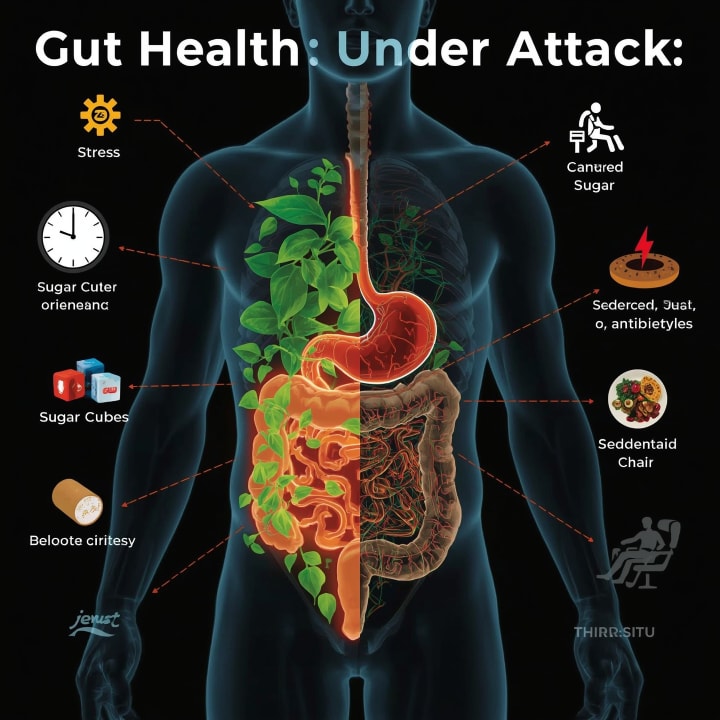
Stress is an obvious villain when it comes to overall health, but it’s a silent destroyer of gut health. Think about it: when you're stressed, your body goes into "fight or flight" mode, releasing a surge of hormones like cortisol. While that’s great for running away from a lion, it’s not so helpful when it comes to your digestive system.
The constant flow of cortisol can mess with your gut’s natural processes, leading to issues like:
• Imbalanced gut bacteria: Stress can alter the balance of good and bad bacteria in your gut, which plays a role in everything from digestion to immune function.
• Slowed digestion: When your body is focused on surviving, digestion takes a backseat. This can cause bloating, constipation, or even diarrhea.
• Increased gut permeability: Known as “leaky gut,” this condition allows toxins and bacteria to leak into your bloodstream, causing inflammation and immune responses.
What can you do? Managing stress is key! Regular relaxation techniques like meditation, deep breathing, or yoga can help reduce stress and improve gut health.
2. Poor Sleep: The Silent Gut Saboteur
Let’s face it, in today’s world, sleep often takes a backseat. Whether it’s binge-watching Netflix, staying up late working, or just tossing and turning, poor sleep has become all too common. But what if we told you that your lack of sleep is actively destroying your gut health?
Studies show that poor sleep disrupts your body’s natural circadian rhythm, and guess what? Your gut has its own circadian rhythm too! When you’re not sleeping enough, it messes with your gut’s microbiome, making it harder for good bacteria to thrive. Here’s what might happen when your sleep is constantly disrupted:
• Increased inflammation: Poor sleep contributes to higher levels of inflammation in the body, which can wreak havoc on your gut.
• Changes in gut microbiome: Research suggests that inadequate sleep can lead to an imbalance in your gut bacteria, potentially increasing the growth of harmful microbes.
• Digestive issues: A lack of rest can slow down digestion, causing bloating, constipation, and general discomfort.
The fix? Aim for 7-9 hours of sleep each night. Your gut will thank you!
3. Not Enough Fiber? You’re Actually Starving Your Gut
So many of us are guilty of not getting enough fiber in our diet. We’re constantly on the go, eating fast food or quick snacks that lack the nutrients our gut needs. Fiber is crucial for feeding the good bacteria in your gut, and without it, those bacteria can’t thrive.
A diet low in fiber can cause:
• Constipation: Without enough fiber, your digestive system slows down, and that can lead to uncomfortable constipation.
• Gut dysbiosis: This refers to an imbalance in gut bacteria, where harmful bacteria outweigh the beneficial ones. A fiber-deficient diet is a key factor in this.
• Poor digestion: Fiber helps regulate your digestion by softening stools and aiding peristalsis (the muscle contractions that push food through your digestive tract).
To keep your gut happy, start adding more fiber-rich foods to your meals—think fruits, vegetables, whole grains, and legumes. Your gut will appreciate the extra attention!
4. Overuse of Antibiotics: The Double-Edged Sword
Antibiotics are a lifesaver in many situations, but if you're taking them too often or unnecessarily, you’re doing your gut no favors. Antibiotics can wipe out both bad and good bacteria, disrupting the delicate balance in your gut microbiome.
This can lead to:
• Reduced diversity in gut bacteria: A lack of variety in your gut’s bacterial population can affect digestion, immune function, and overall health.
• Increased susceptibility to infections: A weakened gut microbiome can make you more prone to infections like yeast overgrowth or gastrointestinal infections.
• Digestive problems: After an antibiotic course, many people experience issues like bloating, diarrhea, or constipation as their gut microbiome tries to rebuild.
If you need antibiotics, be sure to follow your doctor's advice. And afterward, consider taking a high-quality probiotic to help restore balance to your gut bacteria.
5. Too Much Sugar: Feeding the Wrong Kind of Bacteria
We all know that sugar is bad for our waistlines, but it’s also incredibly bad for your gut. High sugar consumption can alter the balance of bacteria in your digestive tract, encouraging the growth of harmful bacteria and yeast.
Here’s how too much sugar affects your gut:
• Increased bad bacteria: Sugar feeds harmful bacteria and yeast, allowing them to multiply and crowd out the beneficial bacteria.
• Inflammation: A sugary diet increases inflammation throughout the body, and that includes your gut.
• Impaired gut function: When your gut bacteria are out of balance, it can lead to digestive problems, like bloating, gas, and discomfort.
Cutting down on sugary foods can give your gut a much-needed break. Swap out sugary snacks for healthier options like nuts, fruits, or yogurt.
6. Skipping Meals: Starving Your Gut and Yourself
It might seem like skipping a meal here and there won’t hurt you, but believe me, it does more damage than you think. When you don’t eat regularly, your gut isn’t getting the nutrients it needs to function properly. Over time, this can lead to a sluggish metabolism and digestive issues.
Here’s why skipping meals is a problem:
• Disrupts gut rhythm: Just like your body has a circadian rhythm, your gut has its own rhythm, too. Skipping meals can throw it off.
• Slows down digestion: When you don’t eat consistently, your digestive system goes into "conservation" mode, slowing down its functions.
• Increased stress: Skipping meals can increase cortisol levels, which, as mentioned earlier, is detrimental to gut health.
Try to maintain a regular eating schedule and ensure your meals are balanced with fiber, healthy fats, and protein. Your gut will thank you!
7. Sedentary Lifestyle: The Quiet Gut Killer
Let’s be real: most of us are sitting down way more than we should be. Whether it’s at a desk, on the couch, or in front of a screen, sitting too much is seriously bad for your gut health.
Here's how a sedentary lifestyle impacts your digestive system:
• Slower digestion: When you're inactive, your digestive system doesn’t work as efficiently, which can cause bloating, constipation, and discomfort.
• Reduced gut motility: Physical activity helps keep things moving in your digestive system, and without it, things can get sluggish.
• Gut dysbiosis: A lack of exercise can negatively affect the balance of bacteria in your gut.
Get moving! Even a quick walk or a bit of light stretching can help your digestive system stay in top shape.
FAQs
1. How do I know if my gut health is bad?
Common signs of poor gut health include bloating, diarrhea, constipation, indigestion, and brain fog. If you experience these symptoms regularly, it’s worth looking into your gut health.
2. Can stress really affect digestion?
Yes! Chronic stress can affect your gut's microbiome, slow down digestion, and cause issues like bloating and constipation.
3. How can I improve my gut health quickly?
Start by reducing stress, getting better sleep, eating more fiber, cutting back on sugar, and moving more. Simple changes can have a big impact on your gut health.
Conclusion
Gut health is often overlooked, but it’s a crucial part of overall well-being. From stress to poor sleep, the hidden habits wrecking your gut health are more common than you might think. By making small but impactful changes to your routine, you can restore balance to your digestive system and feel better than ever.
So, take a moment to reflect on your daily habits and see where you might be unknowingly harming your gut. The good news is, it’s never too late to start making better choices. Your gut (and your body) will thank you for it!
About the Creator
🍂🍂🍂.
Research on geopolitics
Day 4 of Quitting
If this is how sobriety feels, maybe it’s better to go through life a little buzzed… this, along with other hits like, I want to kill myself, I wish I was dead, and I’m going to throw myself off a bridge have been the only thoughts on rotation these past few days. I promise myself that if, in a month, I still feel like this (‘this’ meaning despondent, full of rage, and simultaneously numb) I can go back to smoking. Until mid-February though? Nicotine is off the table.
By sleepy drafts12 days ago in Longevity
Storm Clean-Up in ‘Full Swing’ on Channel Islands as Communities Begin Recovery
The Channel Islands are gradually returning to normal as large-scale clean-up operations move into full swing following one of the most disruptive storms in recent years. Powerful winds, heavy rain, and rough seas battered the islands, leaving behind damaged infrastructure, blocked roads, power outages, and coastal erosion. While the worst of the weather has passed, the aftermath has revealed the scale of destruction and the resilience of island communities determined to rebuild. Widespread Damage Across the Islands The storm struck with little mercy, uprooting trees, tearing off rooftops, and flooding low-lying areas. Coastal regions were particularly hard-hit as waves surged over sea defenses, damaging promenades, harbors, and marine facilities. In some areas, boats were torn from moorings, and debris was scattered across beaches and roads. Transport networks were severely disrupted. Fallen trees and landslides blocked key routes, while ferry services and flights were suspended at the height of the storm. Emergency crews worked around the clock to restore access, prioritizing routes needed for ambulances, utility vehicles, and supply deliveries. Power outages affected thousands of homes and businesses, with electricity lines damaged by falling trees and high winds. Water services were also temporarily disrupted in some areas, adding to the challenges faced by residents. Emergency Response and Clean-Up Efforts Local authorities, emergency services, and utility companies mobilized quickly once conditions allowed. Councils across the Channel Islands activated emergency response plans, deploying crews to clear debris, assess structural damage, and restore essential services. Public works teams have been focusing on clearing roads, repairing streetlights, and securing damaged public buildings. Utility companies report significant progress in restoring electricity, with most households now reconnected, though isolated areas continue to face delays due to difficult terrain and ongoing safety assessments. Volunteers have also played a crucial role. Community groups, local businesses, and residents have joined clean-up efforts, helping neighbors clear gardens, remove debris, and check on vulnerable individuals. This collective response has highlighted the strong sense of solidarity that defines island life. Impact on Businesses and Daily Life The storm has taken a toll on local businesses, particularly those in tourism, fishing, and retail. Shops, cafes, and hotels suffered water damage and lost revenue due to forced closures. Fishermen reported damaged equipment and lost fishing days, raising concerns about longer-term economic impacts. Schools in some areas were closed temporarily due to safety concerns, including fallen trees and structural inspections. While many have since reopened, education authorities continue to monitor conditions to ensure student safety. Residents have described the experience as frightening but have also expressed relief that no widespread loss of life was reported. For many, the focus has now shifted from survival to recovery and preparedness for future extreme weather events. Coastal Concerns and Climate Questions The storm has reignited debate about coastal protection and climate resilience. Experts warn that extreme weather events are becoming more frequent and intense due to climate change, posing growing risks to island communities. Erosion along coastlines has raised concerns about the long-term sustainability of sea defenses. Local governments are now under pressure to invest in stronger infrastructure, improved drainage systems, and better early-warning mechanisms to reduce the impact of future storms. Environmental assessments are underway to evaluate damage to natural habitats, including beaches, dunes, and marine ecosystems. Conservation groups stress the importance of balancing recovery efforts with environmental protection. Looking Ahead: Recovery and Resilience While clean-up operations remain ongoing, officials emphasize that recovery will take time. Structural repairs, insurance claims, and environmental restoration could stretch over months. Authorities are urging residents to remain cautious, avoid unsafe areas, and report hazards such as unstable trees or damaged buildings. Despite the challenges, the response to the storm has underscored the resilience of the Channel Islands. The rapid mobilization of services, combined with community cooperation, has helped limit long-term disruption and speed up recovery. As the islands rebuild, the storm serves as a reminder of nature’s power and the need for preparedness in an era of changing climate patterns. For now, with clean-up efforts in full swing, the Channel Islands are focused on restoring normal life—stronger, wiser, and more united than before.
By Fiaz Ahmed Brohi7 days ago in Longevity




Comments
There are no comments for this story
Be the first to respond and start the conversation.