
Storm Clean-Up in ‘Full Swing’ on Channel Islands as Communities Begin Recovery
Local Authorities and Residents Work Together to Restore Normalcy After Severe Weather Disruptions
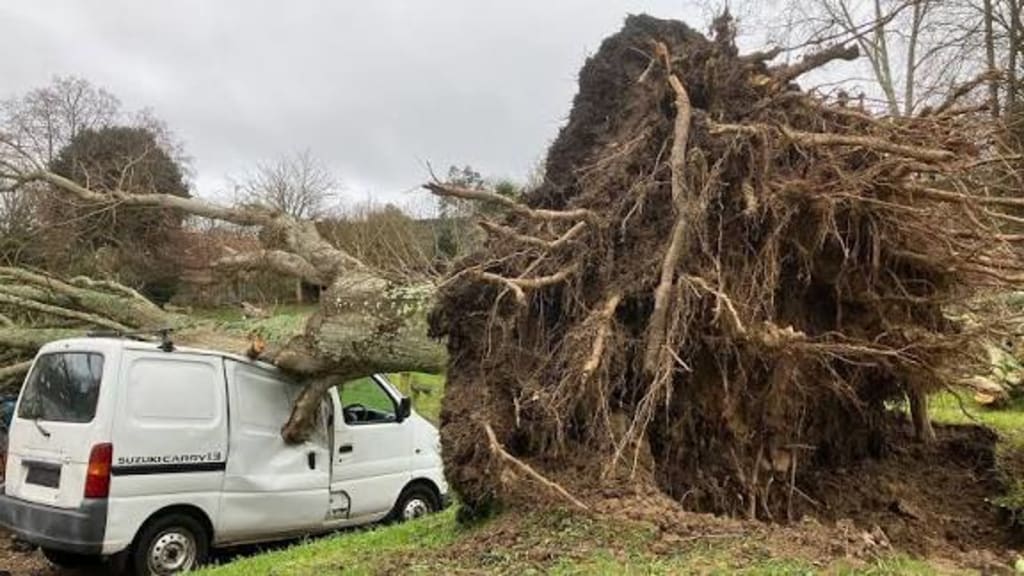
The Channel Islands are gradually returning to normal as large-scale clean-up operations move into full swing following one of the most disruptive storms in recent years. Powerful winds, heavy rain, and rough seas battered the islands, leaving behind damaged infrastructure, blocked roads, power outages, and coastal erosion. While the worst of the weather has passed, the aftermath has revealed the scale of destruction and the resilience of island communities determined to rebuild.
Widespread Damage Across the Islands
The storm struck with little mercy, uprooting trees, tearing off rooftops, and flooding low-lying areas. Coastal regions were particularly hard-hit as waves surged over sea defenses, damaging promenades, harbors, and marine facilities. In some areas, boats were torn from moorings, and debris was scattered across beaches and roads.
Transport networks were severely disrupted. Fallen trees and landslides blocked key routes, while ferry services and flights were suspended at the height of the storm. Emergency crews worked around the clock to restore access, prioritizing routes needed for ambulances, utility vehicles, and supply deliveries.
Power outages affected thousands of homes and businesses, with electricity lines damaged by falling trees and high winds. Water services were also temporarily disrupted in some areas, adding to the challenges faced by residents.
Emergency Response and Clean-Up Efforts
Local authorities, emergency services, and utility companies mobilized quickly once conditions allowed. Councils across the Channel Islands activated emergency response plans, deploying crews to clear debris, assess structural damage, and restore essential services.
Public works teams have been focusing on clearing roads, repairing streetlights, and securing damaged public buildings. Utility companies report significant progress in restoring electricity, with most households now reconnected, though isolated areas continue to face delays due to difficult terrain and ongoing safety assessments.
Volunteers have also played a crucial role. Community groups, local businesses, and residents have joined clean-up efforts, helping neighbors clear gardens, remove debris, and check on vulnerable individuals. This collective response has highlighted the strong sense of solidarity that defines island life.
Impact on Businesses and Daily Life
The storm has taken a toll on local businesses, particularly those in tourism, fishing, and retail. Shops, cafes, and hotels suffered water damage and lost revenue due to forced closures. Fishermen reported damaged equipment and lost fishing days, raising concerns about longer-term economic impacts.
Schools in some areas were closed temporarily due to safety concerns, including fallen trees and structural inspections. While many have since reopened, education authorities continue to monitor conditions to ensure student safety.
Residents have described the experience as frightening but have also expressed relief that no widespread loss of life was reported. For many, the focus has now shifted from survival to recovery and preparedness for future extreme weather events.
Coastal Concerns and Climate Questions
The storm has reignited debate about coastal protection and climate resilience. Experts warn that extreme weather events are becoming more frequent and intense due to climate change, posing growing risks to island communities.
Erosion along coastlines has raised concerns about the long-term sustainability of sea defenses. Local governments are now under pressure to invest in stronger infrastructure, improved drainage systems, and better early-warning mechanisms to reduce the impact of future storms.
Environmental assessments are underway to evaluate damage to natural habitats, including beaches, dunes, and marine ecosystems. Conservation groups stress the importance of balancing recovery efforts with environmental protection.
Looking Ahead: Recovery and Resilience
While clean-up operations remain ongoing, officials emphasize that recovery will take time. Structural repairs, insurance claims, and environmental restoration could stretch over months. Authorities are urging residents to remain cautious, avoid unsafe areas, and report hazards such as unstable trees or damaged buildings.
Despite the challenges, the response to the storm has underscored the resilience of the Channel Islands. The rapid mobilization of services, combined with community cooperation, has helped limit long-term disruption and speed up recovery.
As the islands rebuild, the storm serves as a reminder of nature’s power and the need for preparedness in an era of changing climate patterns. For now, with clean-up efforts in full swing, the Channel Islands are focused on restoring normal life—stronger, wiser, and more united than before.
About the Creator
Keep reading
More stories from Fiazahmedbrohi and writers in Longevity and other communities.
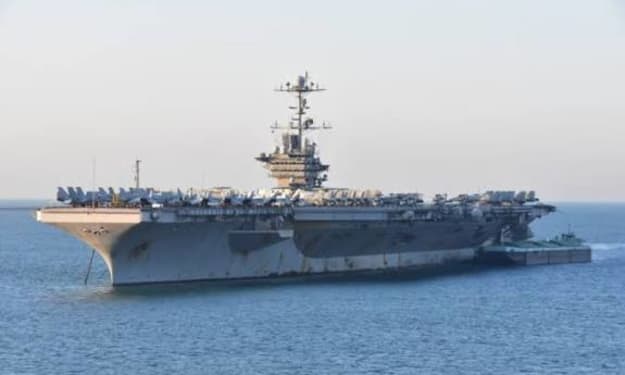
The Return of the Aircraft Carrier Truman Is Being Seen as a Snub to the Navy in the War of the Future
The return of the U.S. aircraft carrier USS Harry S. Truman to active deployment has sparked debate far beyond naval circles. While some see it as a show of enduring American naval power, others interpret the move as a symbolic snub—particularly in the context of how modern warfare is rapidly evolving. In an era dominated by drones, cyber warfare, hypersonic missiles, and artificial intelligence, the decision to once again lean heavily on a traditional aircraft carrier has raised uncomfortable questions about whether the Navy is preparing for the wars of tomorrow or clinging to the strategies of yesterday. A Floating Symbol of 20th-Century Power For decades, aircraft carriers have been the ultimate symbol of U.S. military dominance. These massive floating airbases project power thousands of miles from American shores and allow the U.S. to strike almost anywhere in the world. The Truman, like other Nimitz-class carriers, represents this legacy—housing nearly 5,000 sailors, dozens of fighter jets, and unmatched logistical capability. However, critics argue that what once made carriers indispensable now makes them vulnerable. Their sheer size, cost, and visibility turn them into high-value targets in a battlefield increasingly defined by precision strikes and long-range weapons. The “War of the Future” Looks Very Different Modern conflict is no longer limited to sea, land, and air. Cyber attacks can cripple infrastructure without a single shot fired. Drones can swarm targets at a fraction of the cost of traditional aircraft. Hypersonic missiles can reach targets faster than current defenses can respond. In this context, sending a massive carrier strike group into contested waters can appear less like a strategic necessity and more like a risky gamble. Critics argue that the return of the Truman reflects an outdated mindset—one that prioritizes visible force projection over adaptability and technological evolution. A Snub to Naval Innovation? Many analysts and serving officers believe the Navy’s future lies in distributed lethality—smaller, more agile platforms networked together, harder to detect and cheaper to replace. Unmanned surface vessels, autonomous submarines, and land-based missile systems are increasingly viewed as the backbone of next-generation naval warfare. Against this backdrop, recommitting to a traditional carrier is seen by some as sidelining innovation. It sends a message that, despite years of discussion about transformation, the Navy still defaults to familiar tools when tensions rise. This perception has led to frustration among those advocating for faster modernization. They argue that resources devoted to maintaining and protecting carriers like the Truman could instead accelerate investment in emerging technologies that are more relevant to future conflicts. The Strategic Signal to Allies and Rivals Supporters of the decision counter that the Truman’s return is not about nostalgia—it’s about deterrence. Aircraft carriers remain powerful political tools. Their presence reassures allies, signals commitment, and demonstrates readiness in a way few other assets can. Yet even here, the message is mixed. To technologically advanced rivals, the deployment may signal predictability rather than strength. Adversaries have spent years developing strategies specifically designed to neutralize carriers, including anti-ship ballistic missiles and advanced surveillance systems. Cost Versus Capability The financial reality cannot be ignored. A single carrier strike group costs billions of dollars to build, maintain, and operate. In contrast, drone fleets and missile systems can be produced and deployed at a much lower cost, often with greater strategic flexibility. Critics argue that continuing to rely on carriers drains resources from areas where the Navy needs to grow most urgently. In a future conflict defined by speed, dispersion, and digital dominance, the cost-benefit equation of aircraft carriers looks increasingly questionable. Why the Carrier Still Matters—For Now Despite the criticism, aircraft carriers are not obsolete—yet. They remain unmatched in their ability to sustain prolonged air operations without relying on foreign bases. In regions where access is limited or politically sensitive, carriers still provide options no other platform can. The real issue, many experts say, is not the existence of carriers like the Truman, but over-reliance on them. Using them as one component of a broader, more flexible strategy may still make sense. Treating them as the centerpiece of future war planning may not. A Turning Point for Naval Strategy The return of the USS Harry S. Truman highlights a deeper tension within modern military thinking. It represents a crossroads between tradition and transformation, between proven power and emerging threats. Whether history views this moment as a wise assertion of strength or a missed opportunity for innovation will depend on what comes next. If the Navy pairs legacy platforms with bold technological change, the carrier’s return may be justified. If not, it risks becoming a powerful symbol—not of dominance, but of reluctance to adapt in a rapidly changing world.
By Fiazahmedbrohi 4 days ago in Longevity
Day 4 of Quitting
If this is how sobriety feels, maybe it’s better to go through life a little buzzed… this, along with other hits like, I want to kill myself, I wish I was dead, and I’m going to throw myself off a bridge have been the only thoughts on rotation these past few days. I promise myself that if, in a month, I still feel like this (‘this’ meaning despondent, full of rage, and simultaneously numb) I can go back to smoking. Until mid-February though? Nicotine is off the table.
By sleepy drafts9 days ago in Longevity
Inside the Global Cosmetics Market: Trends Shaping the Future of Beauty
Cosmetics Market Overview The global cosmetics market is a vibrant and consumer-driven industry that reflects changing lifestyles, beauty standards, and wellness priorities. Encompassing skincare, haircare, makeup, fragrances, and personal grooming products, the market continues to expand as consumers place greater emphasis on self-expression, confidence, and overall well-being. Social media, influencer culture, and digital-first brands have reshaped how beauty products are discovered and purchased, making innovation and authenticity essential for success in this competitive landscape.
By James Smithabout 21 hours ago in Longevity



Comments
There are no comments for this story
Be the first to respond and start the conversation.