
10 Powerful Habits for Lifelong Bone Strength
A Wellness Roadmap for Every Age and Stage


“You’re only as strong as your foundation — and your bones are that foundation.”
Muscle building and energy boosts are what come to mind when we think of strength and longevity. But beneath it all—literally—are your bones, working behind the scenes to support you and push you through every move you make. Yet millions unknowingly undermine their skeletal health day by day through habits, diet, and lifestyle.
Regardless of what your age is, whether you're in your 30s or past 60, these 10 habits can help you preserve bone density, prevent fractures, and give you a stronger, healthier body for years to come.
True wellness goes beyond just the physical. While you’re building stronger bones, don’t forget to nurture your mind too. My Self-Care Journal Prompts can help you reflect, reset, and stay grounded along your health journey.
1. Consume Calcium-Rich Foods Daily
Your bones are made up of about 99% calcium, so this nutrient is totally crucial. Yet most adults don’t receive enough from diet alone.
Consume:
- Leafy greens (kale, collards, bok choy)
- Almonds
- Sardines (with bones)
- Fortified plant milks
- Plain yogurt

Source: National Institutes of Health — Calcium Fact Sheet
2. Don’t Skip Vitamin D
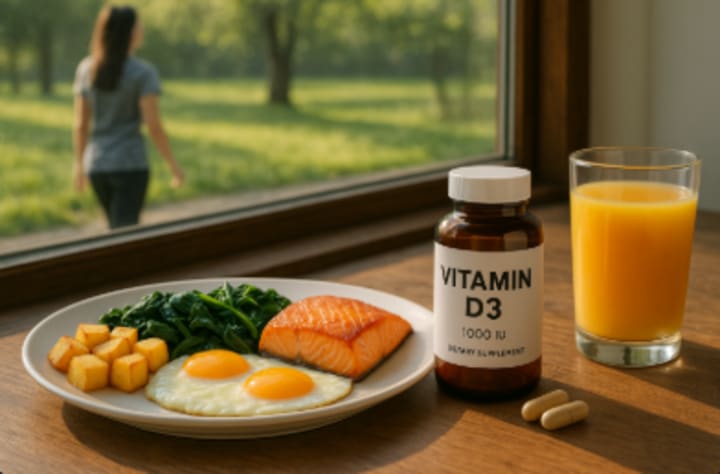
Vitamin D facilitates calcium absorption in the body. Without vitamin D, even calcium-rich diets won’t help.
Get it from:
- 10–30 minutes of sun exposure a few times a week
- Fatty fish (e.g., mackerel or salmon)
- D3 supplements if deficient
Source: Harvard School of Public Health — Vitamin D and Health
3. Incorporate Weight-Bearing Exercises
Bones get stronger the more stressed they get — literally. Weight-bearing exercises resist gravity and maintain or gain bone density.
Try:
- Brisk walking
- Dancing
- Resistance bands
- Bodyweight squats or yoga poses

Source: National Osteoporosis Foundation — Exercise for Healthy Bones
Strength starts with intention — whether that’s a daily walk or a daily check-in with yourself. That’s why I love using guided prompts like those in my Self-Care Journal Prompts to stay connected to both body and mind.
4. Reduce Sugary Drinks and Soda
Phosphoric acid in soda and added sugar may weaken bones by interfering with calcium absorption.
Try replacing sodas with:
- Sparkling mineral water
- Herbal teas
- Fresh smoothies

Source: American Journal of Clinical Nutrition
5. Limit Excess Caffeine and Alcohol
Moderation in caffeine is fine, but high intake (most significantly without calcium) results in calcium being lost through urine. Similarly, alcohol use over time disrupts bone formation.
Follow:
- 3 cups of coffee per day
- ≤ 1 drink/day in women, ≤ 2 in men

Source: National Library of Medicine — Caffeine and Bone Health
6. Supplement with Magnesium and Vitamin K2
Lesser-known nutrients support calcium distribution and bone mineralization.
Dense sources include:
- Pumpkin seeds, avocado, and dark chocolate (magnesium)
- Natto (fermented soybeans), leafy greens (K2)

Source: Cleveland Clinic — Magnesium and Bone Health
7. Quit Smoking for Good
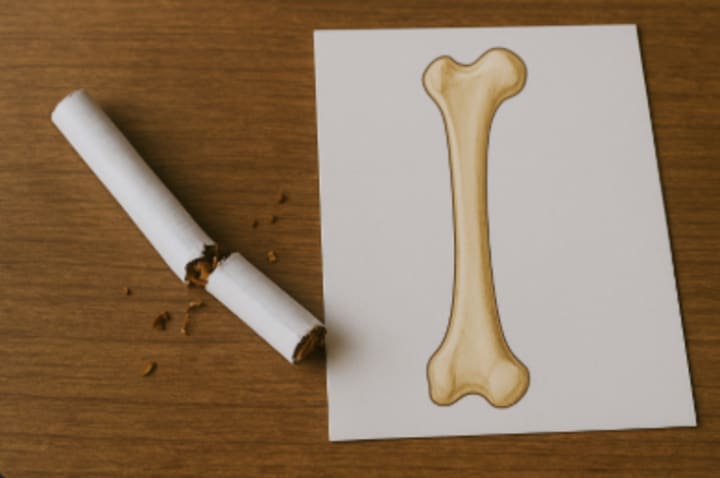
Smoking reduces blood flow to bones and interferes with hormone regulation of bone turnover.
Quitting smoking can rapidly increase bone healing and reduce fracture risk.
Source: CDC — Smoking and Bone Health
8. Keep Your Hormones in Check
In women, decreased estrogen levels during menopause can accelerate bone loss. In men, low testosterone can do the same.
Blood tests every year can identify imbalances in time. Discuss safe hormonal replacement or natural options with your doctor.

Source: Mayo Clinic — Hormones and Osteoporosis
9. Keep an Eye on Protein Consumption
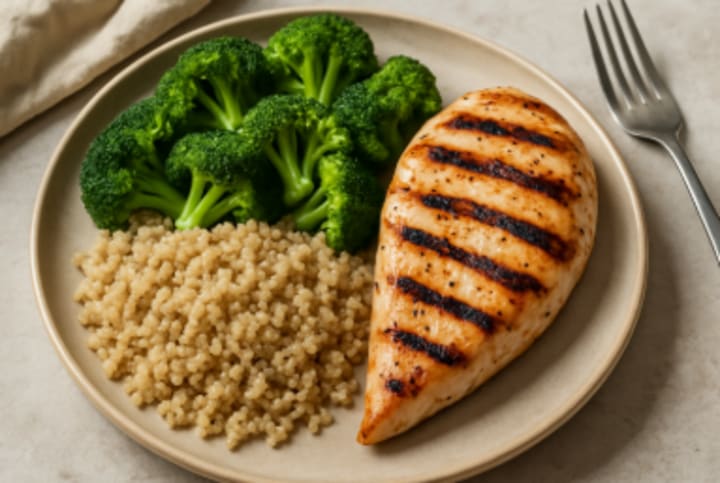
Not enough protein = brittle bones. Too much (particularly from red meat) and not enough vegetables = calcium loss.
Balance is key:
- Add lean proteins (poultry, beans, eggs)
- Eat with moderate-sized veggies to reduce acid load on the bones
Source: Journal of Bone and Mineral Research
10. Prioritize Fall Prevention and Posture
Strong bones are only useful if you don’t fall and break them. Train your body for balance, posture, and reflexes.
Try:
- Tai Chi or Pilates
- Home safety audits (non-slip rugs, brighter lighting)

Source: Johns Hopkins Medicine — Fall Prevention Tips
Final Thought: Strong Bones = Strong Life
Bone health isn’t just about avoiding fractures — it’s about standing tall, staying independent, and feeling strong in your own body. Whether you’re starting these customs in your 30s or fine-tuning them at 70, it’s never too early — or too late — to build a stronger skeleton.

Building bone strength is just one part of holistic wellness. If you’re ready to care for yourself on a deeper level, explore Self-Care Journal Prompts — a simple tool to help you slow down, reflect, and stay consistent with your self-care goals.
About the Creator
Velma Lovemore
I’m Velma Lovemore. I write about self-improvement, healthy living, and simple habits to help you live with more intention, balance, and ease.
Keep reading
More stories from Velma Lovemore and writers in Longevity and other communities.
Fit and Strong at 50+
“A strong core is the foundation of a strong life, especially after 50.” The older you get, the less about six-packs and more about stability, strength, and longevity. Your core is not your abs—it's the powerhouse of your body that helps you stay balanced, keeps your posture from wavering, and lets you glide through everyday movement with ease.
By Velma Lovemore9 months ago in Longevity
You’re Probably Shortening Your Life Without Realizing It (Here’s the Simple Fix Nobody Talks About)
Most people don’t think they’re making choices that shorten their life. They assume that serious health problems come from obvious risks—smoking, extreme stress, or poor genetics. But the reality is far more subtle. The biggest impact on longevity often comes from small, repeated habits that feel harmless in the moment.
By Lukáš Hrdlička7 days ago in Longevity


Comments
There are no comments for this story
Be the first to respond and start the conversation.