
What are the principles, recommended foods, potential benefits, and risks associated with the ketogenic diet (keto)?
Is the ketogenic diet suitable for everyone, or are there specific health conditions or situations where it may not be recommended?

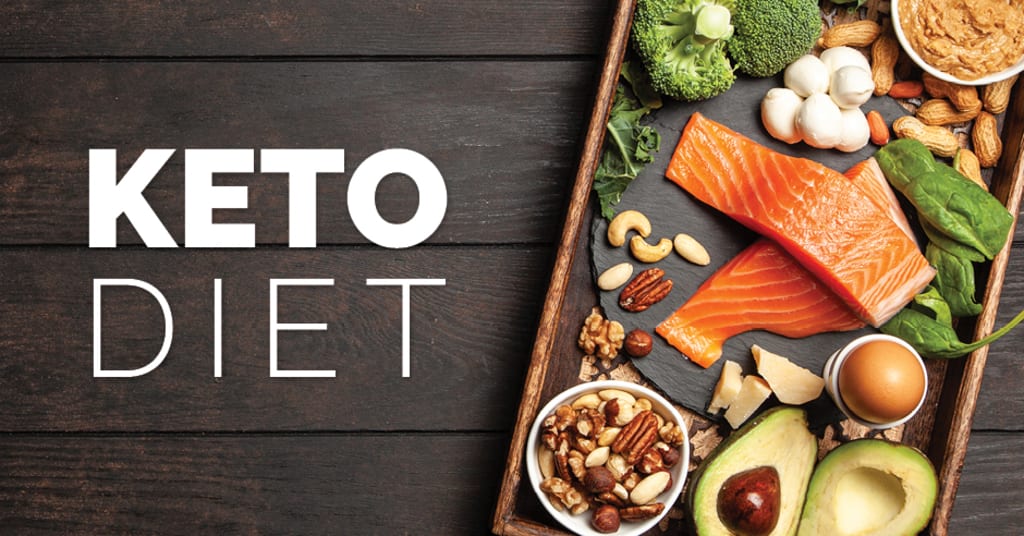
The ketogenic diet, commonly known as keto, is a low-carbohydrate, high-fat diet that has gained popularity for its potential benefits in weight loss, improved mental clarity, and metabolic health. It involves reducing carbohydrate intake and replacing it with healthy fats, forcing the body to enter a metabolic state called ketosis. In ketosis, the body primarily uses fat for fuel instead of carbohydrates. This shift in metabolism has been found to have various effects on the body, and understanding the diet's principles, recommended foods, and potential risks is crucial for success.
Principles of the Ketogenic Diet:
The ketogenic diet is built on three fundamental principles: low carbohydrate intake, moderate protein intake, and high fat intake. Here's a breakdown of each principle:
Low Carbohydrate Intake:
The primary focus of the ketogenic diet is to limit carbohydrate consumption. Carbohydrate-rich foods such as grains, sugars, legumes, starchy vegetables, and most fruits are restricted. This limitation is necessary to deplete the body's glycogen stores and shift the metabolism towards utilizing fat as the primary energy source.
Moderate Protein Intake:
Protein plays a vital role in the ketogenic diet. It is important for preserving lean muscle mass and supporting various bodily functions. However, excessive protein intake can potentially hinder the body's ability to enter ketosis. Therefore, protein intake is moderate and based on individual needs, typically around 20-25% of total calorie intake.
High Fat Intake:
Fat is the cornerstone of the ketogenic diet. By consuming a high amount of healthy fats, the body is provided with an alternative energy source to replace carbohydrates. Approximately 70-75% of total calorie intake should come from healthy fats, such as avocados, nuts and seeds, olive oil, coconut oil, and fatty cuts of meat.
Benefits of the Ketogenic Diet:
The ketogenic diet has been studied for various potential benefits, including:
Weight Loss:

The ketogenic diet is often effective for weight loss due to its ability to reduce appetite and promote fat burning. When the body enters ketosis, it becomes more efficient at utilizing stored fat as an energy source, leading to weight loss.
Blood Sugar Control:

The ketogenic diet may help improve blood sugar control, making it beneficial for individuals with type 2 diabetes or insulin resistance. By reducing carbohydrate intake, the diet can lead to lower blood sugar levels and improved insulin sensitivity.
Increased Mental Clarity and Focus:
Many people report enhanced mental clarity and improved focus when following a ketogenic diet. The brain can effectively utilize ketones as an energy source, providing a steady supply of fuel without the fluctuations associated with glucose metabolism.
Potential Cardiovascular Benefits:
The ketogenic diet has shown potential benefits for certain cardiovascular risk factors. It may lead to improvements in blood triglyceride and HDL cholesterol levels, as well as reduced blood pressure. However, it's important to note that more research is needed to fully understand the long-term effects on cardiovascular health.
Epilepsy Management:
The ketogenic diet has a long history of being used as a therapeutic approach for children with epilepsy, particularly those who do not respond well to medication. It has shown to reduce seizure frequency and severity in some cases.
Potential Risks and Considerations:
While the ketogenic diet can be beneficial for many individuals, there are some potential risks and considerations to keep in mind:
Nutritional Deficiencies:

Restricting carbohydrate-rich foods can potentially lead to inadequate intake of certain vitamins, minerals, and fiber. It's essential to plan the diet carefully and include a variety of low-carbohydrate vegetables, nuts, and seeds to ensure adequate nutrient intake. Additionally, supplementation may be necessary, and working with a healthcare professional or registered dietitian is recommended.
Keto Flu:

When transitioning to a ketogenic diet, some individuals may experience flu-like symptoms, known as the "keto flu." These symptoms can include fatigue, headaches, irritability, and nausea. They are usually temporary and can be mitigated by staying properly hydrated, ensuring electrolyte balance, and gradually reducing carbohydrate intake.
Adherence and Sustainability:
The ketogenic diet can be challenging to maintain long-term due to its strict carbohydrate restrictions. It requires careful meal planning, monitoring of macronutrient intake, and may limit food choices, which can be difficult for some individuals to sustain over time. Exploring various recipes, meal ideas, and incorporating flexibility can help with adherence.
Individual Variations:
It's important to recognize that everyone's body is unique, and individual responses to the ketogenic diet may vary. Some individuals may thrive on a ketogenic diet, while others may not experience the same benefits or may even find it detrimental to their health. Consulting with a healthcare professional or registered dietitian before starting the diet is crucial to assess its suitability for individual needs and goals.
Recommended Foods on the Ketogenic Diet:

To successfully follow the ketogenic diet, it's essential to consume foods that are low in carbohydrates and high in healthy fats. Here's a list of recommended foods:
Healthy Fats:
ealthy Fats:Avocado, olive oil, coconut oil, butter, ghee, nuts and seeds, nut butter, fatty fish (salmon, mackerel, sardines), and full-fat dairy products (if tolerated).
Protein Sources:
Meat (beef, pork, lamb, poultry), eggs, fish and seafood, tofu, tempeh, and high-quality protein powders.
Non-Starchy Vegetables:
Starchy Vegetables:Leafy greens (spinach, kale, lettuce), broccoli, cauliflower, zucchini, bell peppers, asparagus, and Brussels sprouts.
Dairy (if tolerated):
Full-fat cheese, cream, and unsweetened yogurt.
Beverages:
Water, unsweetened tea and coffee, and bone broth.
Foods to Avoid on the Ketogenic Diet:
To achieve and maintain a state of ketosis, it's important to avoid or minimize the intake of high-carbohydrate foods. Here are some examples of foods to avoid on the ketogenic diet:
Grains and Starches:
Bread, rice, pasta, cereal, oats, and most other grains and grain-based products.
Sugary Foods:
Sweets, candies, sugary beverages, cakes, cookies, and ice cream.
Fruits (in large quantities):

Most fruits contain a significant amount of carbohydrates, so they should be consumed in moderation. Small portions of berries are generally acceptable on the ketogenic diet.
Legumes and Beans:
Lentils, chickpeas, black beans, and other legumes are high in carbohydrates and should be avoided or limited.
Root Vegetables:
Potatoes, sweet potatoes, carrots, and parsnips are higher in carbs compared to non-starchy vegetables and should be restricted.
Meal Planning and Sample Keto Meal:
Creating a well-balanced meal plan is crucial for the success of the ketogenic diet. Here's an example of a ketogenic meal:
Breakfast:
Scrambled eggs cooked in coconut oil with spinach and mushrooms.
Half an avocado.
Bulletproof coffee (coffee blended with coconut oil and unsalted butter or MCT oil).
Lunch:
Grilled chicken breast served with a side of steamed broccoli drizzled with olive oil.
Mixed greens salad with cherry tomatoes, cucumber, and feta cheese dressed with olive oil and lemon juice.
Snack:
Handful of mixed nuts (almonds, walnuts, and macadamia nuts).
Dinner:
Baked salmon seasoned with herbs and served with roasted Brussels sprouts cooked in olive oil.
Cauliflower rice sautéed with garlic and topped with grated Parmesan cheese.
Dessert (optional):
Sugar-free dark chocolate.
The ketogenic diet is a low-carbohydrate, high-fat diet that aims to induce a state of ketosis in the body. It has gained popularity for its potential benefits in weight loss, improved mental clarity, and metabolic health. However, it's important to consider individual variations, potential risks, and ensure proper nutrition when following this diet. Consulting with a healthcare professional or registered dietitian is highly recommended before starting any new dietary approach.
About the Creator
Niranjana. V
I bring thoughts to life through words. From personal experiences to deep reflections, I craft engaging content that connects with readers. Join me on my journey as I explore various topics, share insights...
Keep reading
More stories from Niranjana. V and writers in Lifehack and other communities.
How to balance your diet for optimal health
Optimal health is a state of physical, mental, and emotional well-being where an individual is able to function effectively in all aspects of their life. It is achieved through a combination of healthy habits such as eating a balanced diet, engaging in regular physical activity, getting enough sleep, managing stress, and avoiding harmful behaviors such as smoking and excessive alcohol consumption. Optimal health also involves taking care of one's mental health by practicing mindfulness, seeking support when needed, and engaging in activities that promote relaxation and positive thinking. By prioritizing optimal health, individuals can improve their quality of life and reduce the risk of chronic diseases.
By Niranjana. V3 years ago in Lifehack



Comments
There are no comments for this story
Be the first to respond and start the conversation.