
Weight-Loss Injections Spark Warnings: What Experts Want You to Know
While Ozempic and other slimming shots promise rapid results, health specialists warn about risks, costs, and the hidden dangers behind the trend.


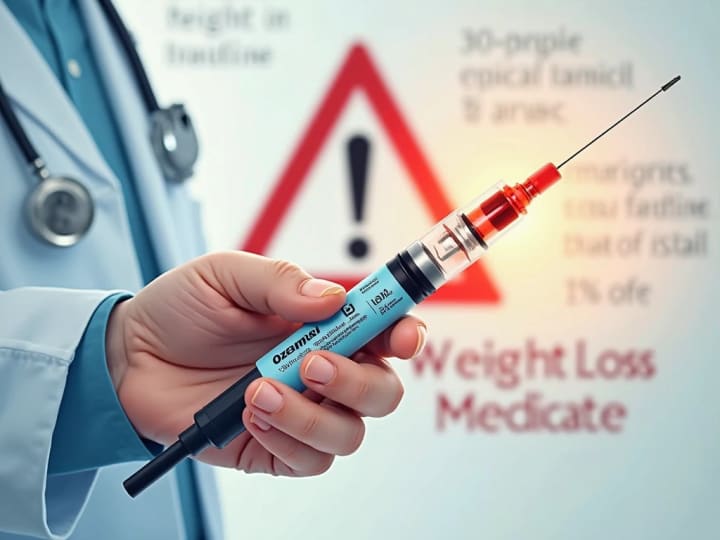
In the past few years, weight-loss injections such as Ozempic (semaglutide), Wegovy, Mounjaro (tirzepatide), and Saxenda (liraglutide) have taken the health industry by storm. Originally developed as medications for type 2 diabetes, these drugs quickly gained attention for their powerful ability to help people lose significant amounts of weight. Social media platforms like TikTok and Instagram are filled with “before and after” transformation stories, fueling the idea that a simple injection could be the long-awaited solution to obesity.
Clinical studies show that people using these drugs can lose anywhere from 10% to 20% of their body weight in under a year. For individuals struggling with obesity-related conditions such as high blood pressure, sleep apnea, or insulin resistance, this kind of result sounds like a miracle. But as with every health trend that grows rapidly, experts are urging people to look beyond the hype and consider the long-term consequences.
The Science Behind the Injections
Weight-loss injections work by mimicking a hormone in the body known as GLP-1 (glucagon-like peptide-1). This hormone plays a role in controlling appetite, slowing digestion, and stabilizing blood sugar. When the drug is injected, it signals to the brain that the stomach is fuller for longer, which leads to reduced calorie intake.
This biological mechanism sounds straightforward and safe—but the body is complex, and manipulating hormones always comes with risks. Doctors remind patients that these drugs were not originally intended for cosmetic weight loss. They were prescribed for serious metabolic conditions, and the decision to use them requires careful medical evaluation.
The Risks and Side Effects Experts Warn About
While weight-loss injections may sound like a shortcut to a slimmer body, experts caution that they come with significant side effects. Common issues reported include:
Nausea, vomiting, and diarrhea due to slowed digestion.
Abdominal pain and bloating, which can affect daily life.
Constipation and digestive discomfort.
Headaches and fatigue during the adjustment period.
But beyond these everyday problems, doctors are concerned about serious health risks. Studies and clinical observations suggest that these drugs may increase the chances of:
1. Gallstones – Rapid weight loss can trigger gallbladder issues.
2. Pancreatitis – Inflammation of the pancreas, a potentially life-threatening condition.
3. Stomach paralysis (gastroparesis) – Where the stomach takes too long to empty food.
4. Nutritional deficiencies – Since appetite is suppressed, some people eat too little and miss essential vitamins.
Another major warning is about dependency. Once people stop the injections, weight often comes back quickly unless strict lifestyle changes are maintained. This means long-term use may be necessary, which raises both health and financial concerns.
The Financial Burden of Staying Slim
Another factor often overlooked in the excitement around these drugs is their cost. In countries like India, monthly treatment costs can range from ₹15,000 to ₹20,000 ($180–$240). In the United States, prices are often much higher, and insurance companies do not always cover them unless prescribed for diabetes.
This makes weight-loss injections a privilege for the wealthy, raising ethical questions about health inequality. While wealthier individuals can afford ongoing doses, many people who struggle the most with obesity-related issues cannot access them.
Experts argue that promoting these injections as a mainstream solution creates false hope. Without addressing root causes such as diet, sedentary lifestyles, and mental health, injections alone are unlikely to provide lasting results.
The Social Media Effect: Miracle or Misleading?
Part of the reason weight-loss injections are trending is their visibility on social platforms. Influencers, celebrities, and even everyday users share dramatic before-and-after transformations. This makes the treatment appear effortless, hiding the side effects and long-term challenges.
Doctors warn that glamorizing medical treatments online without proper context is dangerous. Young people, in particular, may see injections as a quick fix instead of focusing on balanced nutrition, exercise, and healthy routines. Experts worry that social media hype can drive people toward unsupervised, unsafe use of the medication
What Experts Recommend Instead
While weight-loss injections may benefit some patients, experts emphasize the importance of medical supervision. They are not meant for casual use, and should only be considered under conditions such as:
Severe obesity with related health risks.
Type 2 diabetes not managed by lifestyle changes alone.
Doctor-monitored treatment plans with diet and exercise support.
For the general population, doctors continue to stress the basics: a balanced diet rich in whole foods, regular exercise, stress management, and proper sleep. These habits may not promise overnight results, but they are sustainable and free of dangerous side effects.
The Future of Weight-Loss Treatments
There is no doubt that drugs like Ozempic and Wegovy represent a medical breakthrough. For patients with life-threatening obesity, they can be life-saving. However, as demand grows and pharmaceutical companies market these drugs aggressively, society faces a crucial question: Are we creating a future where weight loss is driven more by medication than lifestyle?
Experts suggest that ongoing research will determine how safe these injections are in the long run. Until then, caution, awareness, and medical supervision remain the safest path.
Conclusion: A Tool, Not a Shortcut
Weight-loss injections are not magic wands. They are medical tools that can help in very specific situations but are not free of risk. As tempting as the idea of “injecting your way slim” may sound, the warnings from health professionals are clear: these drugs must be approached with caution, medical oversight, and realistic expectations.
The weight-loss journey, for most people, will always come back to the timeless formula—nutritious eating, active living, and long-term commitment. Injections may offer a helping hand, but they should never replace the foundation of healthy living.
About the Creator
Kiruthigaran Mohan
art writing...
Keep reading
More stories from Kiruthigaran Mohan and writers in Lifehack and other communities.
Surge in Mosquito-Borne “Suitcase Viruses” Across Europe: What Travelers Need to Know
Europe is facing a surprising and concerning health trend—an unexpected surge in mosquito-borne diseases, often called “suitcase viruses.” The term highlights how infections once confined to tropical and subtropical regions are now reaching popular European travel destinations. With record cases of diseases such as West Nile virus, dengue, chikungunya, and malaria being reported, experts warn that millions of residents and tourists could be at risk.
By Kiruthigaran Mohan5 months ago in Lifehack
Absolutely 100% Free Stuff With No Shipping Costs
In a world where everything seems to come with a price tag—including “free” offers that sneak in unexpected shipping fees—it can feel impossible to get truly free items. But with the right strategies, resources, and platforms, it is completely possible to score legitimate, 100% free stuff with no shipping costs or hidden charges. Whether you're looking to save money, reduce waste, or simply love the thrill of discovering freebies, this guide will walk you through the best ways to find authentic no-cost items online and in your local community.
By Master Binz3 days ago in Lifehack
Complete Guide to Wi-Fi Password Recovery & Protection
Understanding Wi-Fi Security Forgetting your Wi-Fi password is a common frustration in our connected world. This comprehensive guide explores legitimate methods to recover lost Wi-Fi credentials while emphasizing network security best practices. Whether you're a homeowner locked out of your network or an IT professional assisting users, this article provides ethical solutions while reinforcing the importance of protecting wireless networks from unauthorized access.
By Alexander Hoffmann2 days ago in Lifehack



Comments
There are no comments for this story
Be the first to respond and start the conversation.