
Surge in Mosquito-Borne “Suitcase Viruses” Across Europe: What Travelers Need to Know
Rising cases of West Nile, Dengue, Chikungunya, and Malaria highlight how climate change and tourism are reshaping Europe’s health risks—and what steps you can take to stay safe.

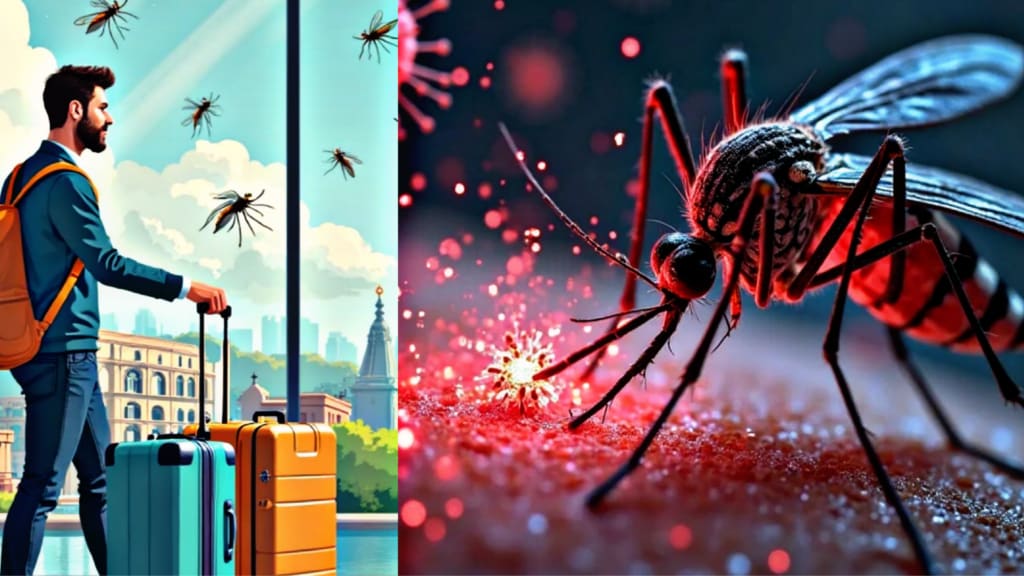
Europe is facing a surprising and concerning health trend—an unexpected surge in mosquito-borne diseases, often called “suitcase viruses.” The term highlights how infections once confined to tropical and subtropical regions are now reaching popular European travel destinations. With record cases of diseases such as West Nile virus, dengue, chikungunya, and malaria being reported, experts warn that millions of residents and tourists could be at risk.
This article explores what suitcase viruses are, why they are spreading, the countries most affected, health risks involved, and what travelers can do to stay safe.
What Are “Suitcase Viruses”?
The phrase “suitcase viruses” describes mosquito-borne diseases carried unintentionally through human travel. Tourists visiting infected regions may return home with mosquito eggs hidden in luggage, clothing, or even vehicles. Once released into a new environment, these mosquitoes can spread viruses to local populations.
The name also reflects how globalization and climate change are helping mosquitoes survive in regions where they were previously unable to thrive. Warmer summers, urbanization, and heavy travel patterns across Europe create the perfect conditions for outbreaks.
The Diseases Involved
Several major mosquito-borne viruses are now making headlines across Europe:
West Nile Virus (WNV): Transmitted by Culex mosquitoes, it can cause fever, headache, body aches, and in severe cases, neurological complications.
Dengue Fever: Known as “breakbone fever,” dengue can cause high fever, rash, severe joint pain, and sometimes life-threatening hemorrhagic complications.
Chikungunya: Characterized by intense joint pain and fever, it often leaves patients with lingering discomfort for months.
Malaria: While mostly eradicated in Europe decades ago, isolated cases are resurfacing due to imported infections and suitable conditions for transmission.
Why Europe Is Seeing a Surge
1. Climate Change
Warmer temperatures allow mosquitoes to survive longer and reproduce faster. Countries like Italy, France, Spain, and Greece are experiencing extended mosquito seasons, increasing the risk of outbreaks.
2. Travel and Tourism
Europe is one of the most visited regions in the world. With millions of people flying in and out daily, mosquitoes and infected travelers act as carriers, spreading viruses beyond traditional boundaries.
3. Urbanization
Dense cities provide countless breeding sites, from stagnant water in construction zones to poorly maintained drainage systems.
4. Lack of Awareness
Many travelers assume Europe is safe from tropical diseases. As a result, they rarely use repellents, wear protective clothing, or consult doctors before traveling.

Countries Most Affected
Reports show that 16 holiday hotspots across Europe are witnessing record-breaking case numbers.
Italy: Has reported over 300 confirmed cases of West Nile virus, with at least 19 related deaths in 2025 alone.
France: Rising chikungunya and dengue cases, especially in southern regions.
Spain and Greece: Increasing local transmission of dengue, linked to imported cases.
Germany and Austria: Detecting mosquito activity that could lead to future outbreaks.
This spread signals a “new normal” for European summers, where tourists must consider mosquito-borne viruses alongside sunburns and dehydration.
Health Risks and Symptoms to Watch For
Early recognition is crucial in preventing complications. Here are some warning signs linked with suitcase viruses:
High Fever (often sudden in onset)
Severe Headache and Eye Pain
Muscle and Joint Aches
Rash or Skin Irritation
Nausea and Vomiting
Neurological Symptoms (confusion, stiff neck, seizures in severe cases)
Anyone returning from a European holiday with flu-like symptoms should seek immediate medical care and mention recent travel history.
Prevention Tips for Travelers
The good news is that protecting yourself against mosquito-borne viruses is possible with simple precautions:
1. Use Mosquito Repellent: Choose repellents containing DEET, picaridin, or lemon eucalyptus oil.
2. Wear Protective Clothing: Long sleeves, light-colored clothes, and covered footwear reduce bites.
3. Stay in Screened or Air-Conditioned Rooms: Avoid sleeping in open areas without protection.
4. Eliminate Standing Water: Empty buckets, flower pots, or any containers where mosquitoes can breed.
5. Travel Insurance & Vaccines: While there’s no universal vaccine for dengue or chikungunya, some countries recommend yellow fever or malaria prevention before travel.
6. Stay Hydrated & Rested: A strong immune system helps the body cope with viral infections.
Public Health Response
European health authorities are stepping up surveillance and awareness campaigns:
Vector Control Programs: Spraying urban areas, monitoring breeding sites, and releasing sterile mosquitoes to reduce populations.
Travel Advisories: Encouraging tourists to take precautions when visiting high-risk regions.
Hospital Preparedness: Training doctors to recognize and treat these once-rare diseases.
International Cooperation: Sharing data between countries to predict and prevent outbreaks.
The Bigger Picture
The rise of suitcase viruses is a reminder that infectious diseases know no borders. Globalization, climate change, and human behavior all contribute to the problem. Experts believe this trend will continue unless major action is taken to address mosquito control and climate resilience.
For travelers, it highlights the importance of responsible travel habits. A simple act like applying repellent or checking luggage before flying can prevent mosquitoes from hitching a ride across continents.
Conclusion
The surge of mosquito-borne suitcase viruses across Europe is more than a passing headline—it’s a sign of how global health risks are changing in the 21st century. From Italy’s record West Nile cases to France’s rising dengue outbreaks, Europe is facing challenges once thought limited to tropical regions.
For tourists and locals alike, the message is clear: stay informed, stay protected, and take mosquito prevention seriously. With smart personal precautions and stronger public health strategies, Europe can manage this growing threat while keeping travel safe and enjoyable.
About the Creator
Kiruthigaran Mohan
art writing...
Keep reading
More stories from Kiruthigaran Mohan and writers in Lifehack and other communities.
Ozempic Vulva: The Hidden Side Effect of Popular Weight-Loss Drugs Every Woman Should Know
What Is Ozempic and Why Is It Trending? Over the past few years, Ozempic has become one of the most talked-about medications in the world. Originally developed as a treatment for type 2 diabetes, this drug—alongside others in the same category—has gained massive popularity as a weight-loss solution. By mimicking the GLP-1 hormone, Ozempic slows digestion, reduces appetite, and helps users shed pounds quickly. Celebrities, influencers, and everyday people have shared dramatic weight-loss results online, fueling a global craze.
By Kiruthigaran Mohan5 months ago in Lifehack
7" Simple Daily Habits that can change your life
7 Simple Daily Habits That Can Change Your Life Life can often feel overwhelming. With endless responsibilities, constant notifications, and the pressure to succeed, it’s easy to lose track of what really matters. But the good news is, making small, consistent changes in your daily routine can have a huge impact on your overall well-being, happiness, and productivity. Here are seven simple daily habits that, if practiced consistently, can truly change your life. 1. Wake Up Early
By Kawtar Aithammouabout 23 hours ago in Lifehack
How Big Game Hunting in Namibia Supports Wildlife Conservation
Namibia is widely recognized as one of Africa’s greatest wildlife conservation success stories. Unlike many countries where wildlife populations have declined, Namibia has seen steady growth in key species such as elephant, black rhino, lion, and plains game. A major reason behind this success is the country’s carefully regulated big game hunting namibia model, which directly supports conservation, habitat protection, and rural livelihoods.
By Aru Game Lodges 6 days ago in Lifehack




Comments
There are no comments for this story
Be the first to respond and start the conversation.