
The “Villain Era”: Reclaiming the Narrative of Putting Yourself First
Embracing Boundaries, Rejecting Guilt, and Choosing Yourself Unapologetically
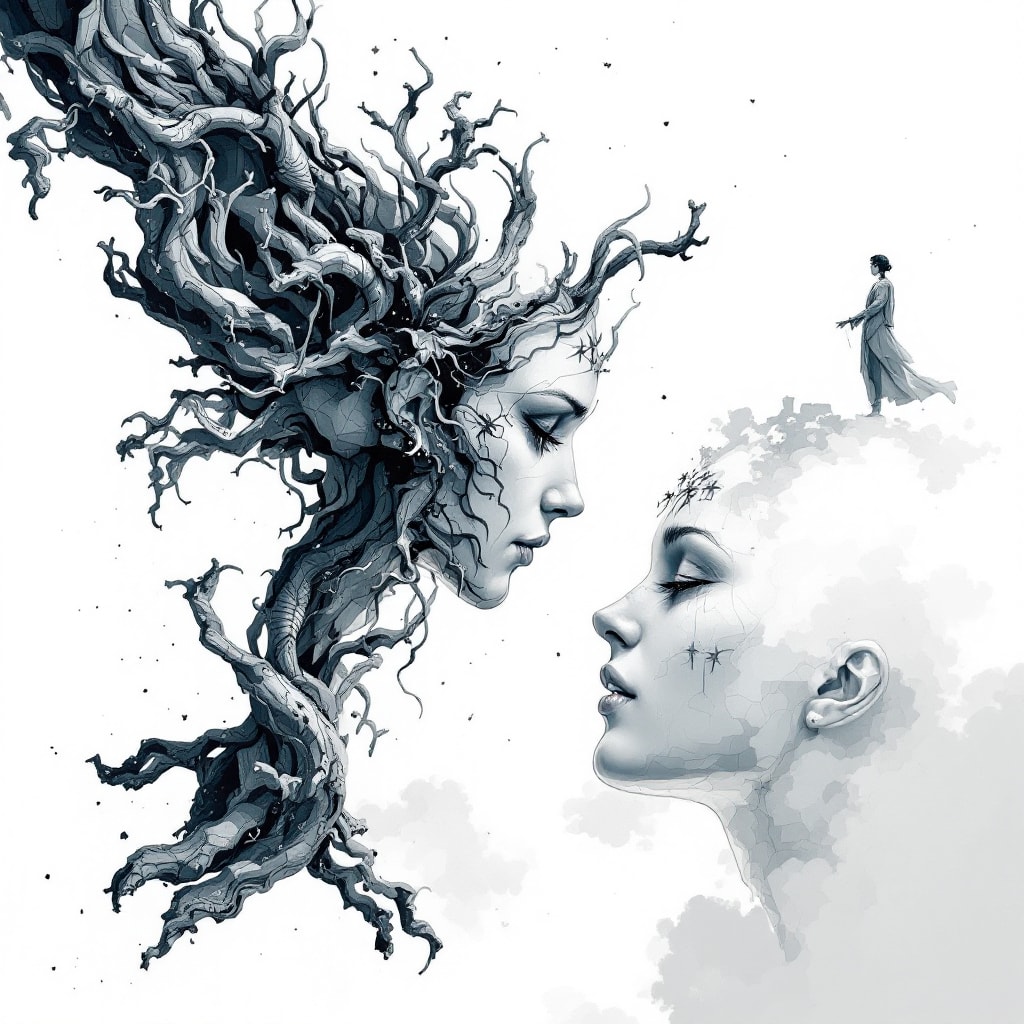
For years, many of us have been conditioned to equate “goodness” with self-sacrifice. We’ve been taught that being kind means saying yes, being agreeable, and putting others’ needs above our own, even when it comes at the expense of our mental health and happiness. But what happens when this relentless people-pleasing mindset leads to burnout, exhaustion, and resentment? Enter the Villain Era—a movement where individuals are rejecting the pressure to be endlessly accommodating and are instead choosing to prioritize their own needs unapologetically.
Despite its dramatic name, the Villain Era isn’t about becoming cruel or selfish. Rather, it’s about reclaiming control over your time, energy, and emotional well-being. While some may label boundary-setting or self-care as "selfish," science shows that taking care of yourself is essential—not only for your personal health but also for the health of your relationships and overall quality of life. Let’s dive into the psychology and science behind the Villain Era, why it’s resonating so deeply today, and how you can embrace it to live a more balanced, fulfilling life.
What Exactly Is the “Villain Era”?
The Villain Era is more than just a trending term on social media—it’s a cultural shift rooted in self-prioritization. In essence, the Villain Era represents stepping away from people-pleasing behaviors, setting firm boundaries, and making decisions that prioritize your mental and emotional health.This doesn’t mean becoming malicious or uncaring. Instead, it’s about recognizing that constantly putting others first—at the cost of your own needs—is unsustainable and unhealthy. It’s about becoming comfortable with the discomfort of saying “no,” walking away from toxic dynamics, and choosing joy and rest without guilt.
The term “villain” comes into play because prioritizing yourself often disrupts societal expectations. Historically, women and marginalized groups, in particular, have been labeled as “difficult” or “selfish” when asserting their needs. The Villain Era reclaims this label, flipping it on its head. If prioritizing your mental health makes you a villain in someone else’s story, so be it—it’s your story to tell.
The Psychology Behind the Villain Era
The Villain Era is not just a social trend—it’s deeply connected to psychological principles. Here are some key concepts that explain why stepping into your Villain Era is not only empowering but also necessary for mental well-being.
1. The Cost of People-Pleasing
People-pleasing behaviors often come from a desire to avoid conflict, gain approval, or feel needed. While these behaviors may seem harmless, psychologists warn that they can lead to serious consequences. Constantly prioritizing others can result in emotional exhaustion, resentment, and even depression. A 2018 study published in Frontiers in Psychology found that people who struggle to assert their needs often experience higher levels of stress and emotional burnout. Over time, this can lead to a loss of self-identity, as individuals become so focused on meeting the expectations of others that they neglect their own desires and values. The Villain Era challenges this dynamic by encouraging individuals to prioritize their needs first, which research shows is essential for maintaining both mental and physical health.
2. The Importance of Boundaries
Boundaries are the cornerstone of healthy relationships and mental health. They define where your responsibilities end and someone else’s begin, protecting your energy and emotional bandwidth. According to Dr. Dana Gionta, a clinical psychologist and author, boundaries are essential for reducing stress, avoiding burnout, and fostering mutual respect in relationships. However, setting boundaries can feel uncomfortable—especially if you’re afraid of being perceived as selfish or unkind. This discomfort often stems from the fear of rejection or conflict, which is why many people avoid enforcing boundaries altogether. The Villain Era reframes this discomfort as a necessary step toward self-respect and emotional freedom.
3. Self-Prioritization Is Not Selfishness
One of the biggest myths surrounding self-care is that it’s selfish. However, research shows that prioritizing your own well-being doesn’t just benefit you—it benefits everyone around you. A study published in Psychological Science found that individuals who practice self-compassion and self-care are better equipped to handle stress and are more likely to engage in prosocial behaviors, such as helping others.This means that taking care of yourself first isn’t just good for you—it makes you a better friend, partner, and colleague. The Villain Era emphasizes that you can’t pour from an empty cup, and choosing to refill your own first is an act of wisdom, not selfishness.
4. The Role of Emotional Energy
Toxic relationships—whether they’re with friends, family, or romantic partners—can drain your emotional energy and leave you feeling depleted. According to research published in The Journal of Social and Personal Relationships, one-sided relationships often lead to increased stress, anxiety, and even physical health issues.
The Villain Era encourages walking away from these dynamics, even if it means being perceived as “cold” or “uncaring.” By removing yourself from toxic environments, you free up emotional space for healthier, more fulfilling connections.
Why Is the Villain Era Resonating Now?
The Villain Era isn’t just a personal choice—it’s a cultural response to the pressures of modern life. Here are some factors driving its popularity:
1. Burnout and Exhaustion
Burnout is at an all-time high, with a 2022 survey by Gallup reporting that nearly 60% of workers feel emotionally exhausted. Constantly overcommitting and putting others first only accelerates this exhaustion. The Villain Era represents a rebellion against the glorification of hustle culture and a step toward balance and sustainability.
2. Post-Pandemic Perspective Shifts
The COVID-19 pandemic forced millions to reevaluate their priorities. For many, it became clear that life is too short to stay in toxic relationships or work environments. The Villain Era reflects this newfound clarity, encouraging individuals to focus on what truly matters.
3. Mental Health Destigmatization
As conversations about mental health become more mainstream, practices like therapy, self-care, and boundary-setting are being normalized. The Villain Era puts these concepts into action, turning self-prioritization into a movement.
How to Step Into Your Villain Era
If you’re ready to embrace your Villain Era, here’s how to get started:
Audit Your Relationships Evaluate the people in your life and ask yourself: Are these relationships mutually supportive, or are they draining? It’s okay to step back from one-sided dynamics.
Set Boundaries and Stick to Them Start small by setting manageable boundaries, like limiting your availability for non-urgent requests. Over time, these boundaries will become a natural part of your life.
Say “No” Without Guilt You don’t owe anyone a detailed explanation for your decisions. Practice saying “no” confidently and without apology.
Prioritize Rest and Joy Create space in your life for the things that genuinely make you happy, whether it’s pursuing a hobby, spending time alone, or simply resting.
Reframe Your Mindset Remind yourself that prioritizing your needs isn’t selfish—it’s an act of self-respect. If others perceive you as a “villain” for taking care of yourself, that’s their issue, not yours.
The Healing Power of the Villain Era
At its core, the Villain Era isn’t about becoming the antagonist in someone else’s story—it’s about becoming the hero of your own. It’s about healing from the patterns of self-neglect, breaking free from toxic expectations, and choosing to live authentically.
Science backs this shift: prioritizing your mental health, setting boundaries, and practicing self-compassion are proven ways to reduce stress, improve relationships, and enhance overall well-being. While some people may struggle to accept the new, boundary-setting version of you, their discomfort is a small price to pay for your peace of mind.
So, go ahead—step into your Villain Era. Say no. Walk away. Prioritize your happiness. Because in this story, you’re not the villain—you’re the protagonist.
The Villain Era is a powerful reminder that you don’t need to sacrifice yourself to be “good.” By reclaiming your narrative and putting yourself first, you’re not only improving your own life but also setting a healthier example for those around you.
About the Creator
Nazia Syed
A quiet observer, lost in thought, weaving the threads of life into stories that capture the unspoken truths we all share.
Keep reading
More stories from Nazia Syed and writers in Lifehack and other communities.
Why Adulting is Basically Just Googling Everything
Remember when you were a kid and assumed adults had it all figured out? Fast forward to today, and here you are—Googling “how to fold a fitted sheet” while eating cereal for dinner because the thought of cooking feels like too much effort. Here’s the plot twist nobody tells you: adulthood isn’t about knowing everything. It’s about figuring things out as you go. And if modern adulting had a mascot, it’d be Google—the all-knowing oracle we turn to for answers to life’s weirdest, most random questions. But Googling isn’t just a convenience. It’s also a reflection of how we cope with stress, uncertainty, and the mental chaos that comes with navigating adulthood. Let’s unpack why Googling is basically the secret sauce to surviving adult life—and how to do it in a way that supports your mental health, backed by science, psychology, and a few relatable laughs along the way.
By Nazia Syed12 months ago in Lifehack
Absolutely 100% Free Stuff With No Shipping Costs
In a world where everything seems to come with a price tag—including “free” offers that sneak in unexpected shipping fees—it can feel impossible to get truly free items. But with the right strategies, resources, and platforms, it is completely possible to score legitimate, 100% free stuff with no shipping costs or hidden charges. Whether you're looking to save money, reduce waste, or simply love the thrill of discovering freebies, this guide will walk you through the best ways to find authentic no-cost items online and in your local community.
By Master Binz5 days ago in Lifehack
Complete Guide to Wi-Fi Password Recovery & Protection
Understanding Wi-Fi Security Forgetting your Wi-Fi password is a common frustration in our connected world. This comprehensive guide explores legitimate methods to recover lost Wi-Fi credentials while emphasizing network security best practices. Whether you're a homeowner locked out of your network or an IT professional assisting users, this article provides ethical solutions while reinforcing the importance of protecting wireless networks from unauthorized access.
By Alexander Hoffmann3 days ago in Lifehack
Silver Screen Magic with Mae West
American actress and singer Mae West became a popular film actress during the Great Depression. She started entertaining in vaudeville, then performed on Broadway, and finally went to Hollywood. She signed up with Paramount Pictures and made her debut in the 1932 film “Night After Night.” She also starred in musicals, comedies, and crime dramas. The American Film Institute named her one of the best classic Hollywood actresses.
By Rasma Raisters5 days ago in Geeks


Comments (2)
Thank you!
It’s good to choose yourself! Great work! Fantastic