
Sleep-Maxxing: How Prioritizing Rest Boosts Health, Productivity, and Longevity
Discover why the new wellness trend “sleep-maxxing” is shifting focus from hustle culture to healthy rest, and how better sleep can transform your body, mind, and daily performance.


Wellness talks in recent years have been about diet, exercise, and mental health habits such as mindfulness and meditation. But now there is another cultural shift coming, and it's not about yet another superfood or extreme workout. It is about something far less complicated and yet easier to ignore—sleep. This newly emerging trend throughout the world has a name: "sleep-maxxing." In contrast to most ephemeral fads, sleep-maxxing serves as a reminder that one of the most effective tools for physical and mental well-being has been available all along: getting quality rest.
Sleep-maxxing itself is simply the deliberate emphasis on sleep as a critical component of health and productivity. Society has long championed the hustle culture of working late at night and rising early for years as merit badges. The entrepreneur, the executive, and even the student would openly boast about functioning on four or five hours of sleep, linking it to dedication and success. But the science always had other plans. Research has repeatedly shown that adults need seven to nine hours of quality sleep every night to allow the brain and body to repair, normalize, and re-balance.
The shift towards sleep-maxxing is being led by a variety of overlapping reasons. Higher rates of burnout, mental illness, and chronic conditions like obesity and diabetes have prompted people to re-evaluate their priorities. Studies prove that poor sleep is directly linked to weakened immunity, lowered memory, higher stress levels, and even reduced life expectancy. Add all of that to all the pandemic talk about being well, and it is no wonder sleep has entered the spotlight as one of the mainstays of overall health.
Contrary to short-term health fads, sleep-maxxing is not about purchasing expensive gadgets or enrolling in complex programs. It begins with self-consciousness and subtle changes in lifestyle. Those embracing the trend have begun by creating a consistent sleep schedule and wake-up time, limiting screen time before bed, and cultivating unwinding habits such as reading, journaling, or doing light stretches. These enhance the internal clock of the body, making sleep more restorative and predictable.

Another reason sleep-maxxing has gained popularity now is the growing body of evidence that associates sleep with mental well-being. Lack of sleep boosts anxiety, heightens mood swings, and reduces coping capacity for daily hassles. On the contrary, a well-rested brain excels at problem-solving, creativity, and emotional regulation. In workplaces where long hours were a symbol of excellence, companies are now discovering that encouraging more sleep actually makes employees work better and reduce absenteeism. Some companies even experiment with flexible working hours, nap rooms, or sleep-themed seminars for well-being.
Technology, ironically one of the sleep's biggest spoilers, is being reworked as an antidote. Smart mattresses that adjust temperature, respiratory-trackers, and sleep-cycle-tracking apps are all becoming a part of our lives these days. But sleep-maxxing believes that technology is just half the story; the change happens only when one stops making sleep an option and instead makes it a choice. After all, there is no gadget that can substitute for the simple discipline of switching off lights an hour before bed or fighting the temptation of midnight scrolling.
One of the most fascinating aspects of this movement is how it shifts cultural narratives around what it means to be successful. Instead of burnout, people are beginning to value energy, clarity, and balance. Social media, typically blamed for perpetuating unhealthy trends, is now filled with influencers sharing about bedtime habits, morning mindsets, and sleep hygiene tips. This shift is being spearheaded by the younger generations, especially Gen Z. They are the ones vocally saying no to hustle culture and advocating for boundaries that promote mental and physical health.
Sleep-maxxing is faulted as too reductionist an approach towards addressing the complex problems of sleeplessness. For instance, shift workers, parents of young children, and people with chronic insomnia cannot simply “decide” to sleep more. Structural changes, supportive workplaces, and access to healthcare are also needed to ensure better rest is a realistic goal for all. Still, the conversation itself marks progress. A culture that once mocked sleep as laziness is now treating it as an essential pillar of wellness.
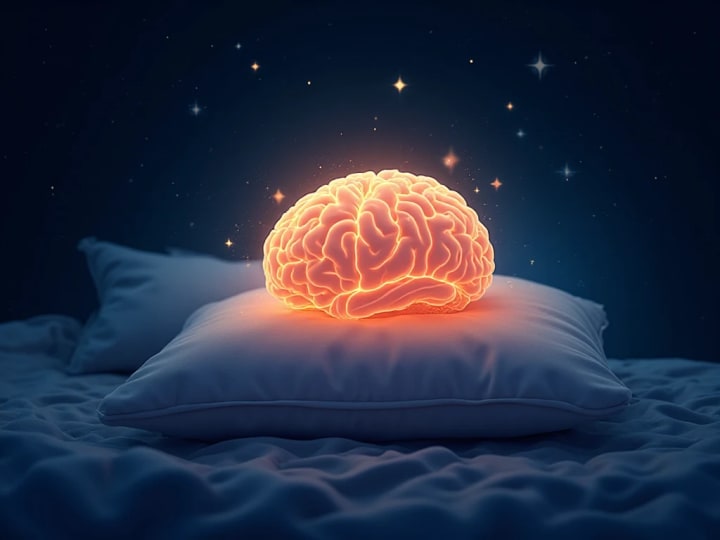
The benefits of sleep-maxxing extend beyond personal health. On a population level, enhanced sleep could mean lower healthcare costs, fewer accidents caused by driver fatigue, and a healthier working population. As an example, studies attribute drowsy driving to thousands of crashes annually. Enhanced sleep hygiene could prevent such disasters. High schools that have pushed back start times so that adolescents get more sleep have seen increased attendance, grades, and overall mood in students. These stories demonstrate how sleep-maxxing has a ripple effect, extending well beyond communities and economies to the field of public safety.
So, how does one start sleep-maxxing today? Experts advise: begin in small ways. First, create a regular schedule, including weekends, to align with your body's circadian rhythm. Second, create a relaxing environment—cool, dark, quiet bedrooms yield the best sleep. Third, eat wisely. Caffeine, big meals, and evening alcohol can disrupt sleeping patterns. Finally, create a wind-down routine, whether reading the last few pages of a book, meditating, or practicing slow breathing techniques. These habits instruct the brain to sleep.
While the term "sleep-maxxing" is trendy, the ethos behind it is timeless. People have always needed rest, but modern life made us lose sight of it. By bringing sleep back into our awareness, we are not just chasing the latest wellness fad—we are restoring a foundation of life itself. Good sleep is not extravagance, it is maintenance. It allows us to show up to work, our relationships, and our personal goals.
The sleep-maxxing message is clear: productivity is not the byproduct of sleep deprivation, but of its defense. A sleep-valuing culture is one that prioritizes long-term health, creativity, and resilience. In a world full of noise, stress, and constant connectivity, choosing to prioritize sleep may be the most radical act of self-love we can offer. And along the way, we may well find that the path to complete wellness begins not with yet another supplement or workout, but with something as simple as closing our eyes.
About the Creator
Kiruthigaran Mohan
art writing...
Keep reading
More stories from Kiruthigaran Mohan and writers in Lifehack and other communities.
Health Anxiety: Understanding, Symptoms, Causes, and Proven Coping Strategies
Understanding Health Anxiety Health anxiety, once referred to as illness anxiety disorder or hypochondria, is a psychiatric condition where people overestimate worrying about contracting or having a serious disease. Unlike normal health concerns, health anxiety persists even when medical examinations find a person to be healthy. Those with this problem will interpret typical body feeling—like headache, fatigue, or minor aches—as symptoms of a serious disease. This chronic worry may result in emotional distress, strained interpersonal relationships, and a lack of ability to focus on daily life.
By Kiruthigaran Mohan5 months ago in Lifehack
How I Reversed My Fatty Liver Without Starving or Living in the Gym: A Personal Success Story
Here’s how I reversed my fatty liver. And how you can, too. Let’s be brutally honest for a second. When I first saw the words “fatty liver” on my lab results, I felt a cold wave of panic, followed by a heavy, numbing sense of failure. My doctor’s voice sounded distant: “…early stage… lifestyle-driven… reversible.” Reversible. That word felt like a hollow promise, a medical platitude. All I could think was, “I’ve tried diets before. I know I should exercise. Nothing sticks.” I left that appointment with a pamphlet and a crushing weight of confusion. I was overwhelmed, skeptical, and honestly, a little scared.
By John Arthor4 days ago in Lifehack
How I Reclaimed 5 Hours a Week by Automating Image Descriptions
We live in a visual world. Whether I am writing a blog post, updating a portfolio, or managing social media content, I deal with dozens of images daily. But there has always been a hidden time-killer in my workflow: the need to turn those visuals into text.
By Thomas Vance7 days ago in Lifehack




Comments
There are no comments for this story
Be the first to respond and start the conversation.