
Health Anxiety: Understanding, Symptoms, Causes, and Proven Coping Strategies
Discover how to recognize health anxiety, understand its triggers, and apply practical strategies to manage worry and regain control over your mental and physical well-being.

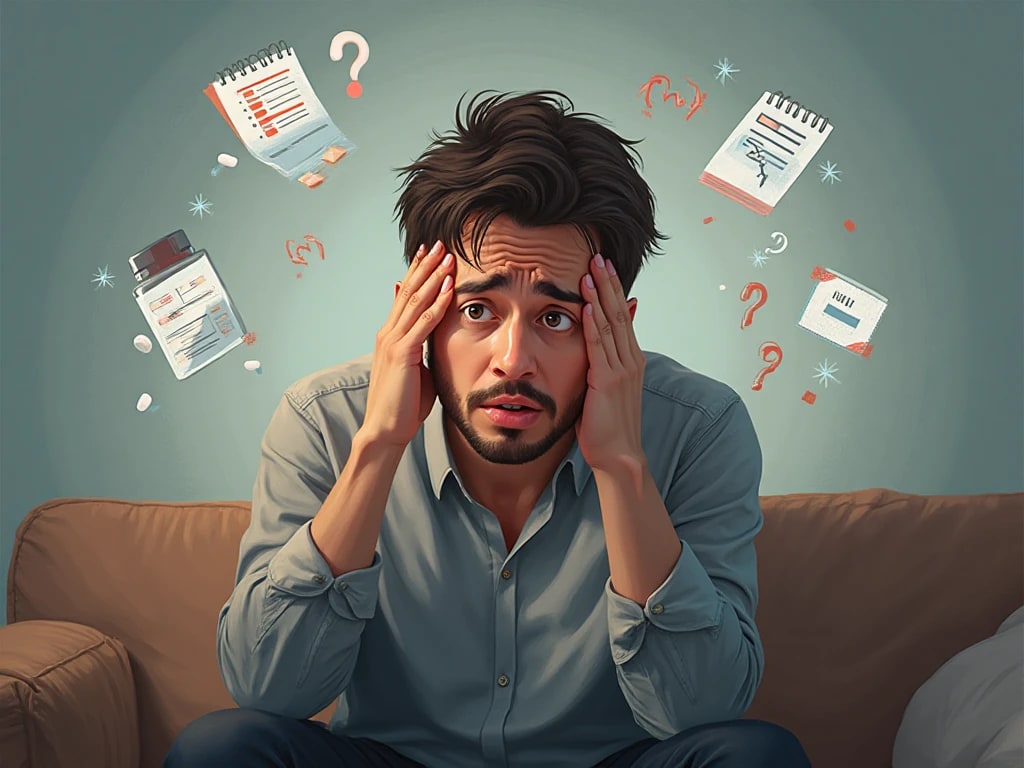
Understanding Health Anxiety
Health anxiety, once referred to as illness anxiety disorder or hypochondria, is a psychiatric condition where people overestimate worrying about contracting or having a serious disease. Unlike normal health concerns, health anxiety persists even when medical examinations find a person to be healthy. Those with this problem will interpret typical body feeling—like headache, fatigue, or minor aches—as symptoms of a serious disease. This chronic worry may result in emotional distress, strained interpersonal relationships, and a lack of ability to focus on daily life.
Health anxiety is not fleeting worry—it is a recurring preoccupation that can pervasively impair mental, emotional, and social functioning. Learning to manage it begins with an understanding of this disorder.
Causes of Health Anxiety
Health anxiety is caused by the combination of biological, psychological, and environmental processes:
Biological Factors: Certain people are genetically predisposed to anxiety disorders. Imbalances in neurotransmitters, such as serotonin, can predispose others to ongoing health concerns.
Psychological Factors: Traumatic medical experiences, illness in childhood, or the illness of a close relative can lead to an increased fear of disease. Cognitive distortions such as catastrophizing—anticipating the worst possible outcome—increase anxiety further.
Environmental Factors: The World Wide Web has made medical information easily accessible. Useful in moderation, excessive searching may lead to cyberchondria, which is a condition where web-based research on health creates worry rather than providing reassurance.
Stress and Trauma: Experiencing undue amounts of stress or trauma, especially health-related, can precipitate or enhance health anxiety. Having seen a loved one suffer through a serious illness or having experienced one's own personal health fright may increase sensitivity to the body and symptoms.
Symptoms of Health Anxiety
Health anxiety manifests mentally and physically:
Persistent Worry: Repeated anxiety of acquiring or suffering from a serious illness despite medical reassurance.
Excessive Body Checking: Excessive monitoring of heart rate, skin, or other bodily sensations by oneself.
Doctor Shopping: Visiting several doctors or getting repeated opinions to reassure oneself.
Avoidance Behaviors: Avoiding actions, situations, or even people that are seen as threatening one's health.
Misinterpreted Physical Symptoms: Normal bodily sensations, such as fatigue, palpitations, or slight pain, assumed to be evidence of serious illness.
Emotional Symptoms: Anxiousness, panic attacks, irritability, or being overwhelmed by health concerns.
Impact on Daily Life
Health anxiety affects many aspects of life:
Emotional Well-Being: Chronic anxiety, tension, and depression often accompany chronic health issues. Individuals are helpless or in a state of ongoing worry.
Social Life: Spouses and friends may become irritated or overwhelmed with repeated reassurance-seeking or avoidance behaviors.
Work Performance: Frequent physician visits, inability to focus, or health worry can subvert productivity and professional growth.
Financial Burden: Repeated medical appointments, investigations, or procedures could have financial burdens.
Treatment Techniques and Coping Mechanisms
Effective treatment of health anxiety typically comprises a combination of professional treatment and self-help:
Cognitive Behavioral Therapy (CBT): CBT is one of the most widely accepted treatments for health anxiety. CBT helps people identify irrational thinking, challenge catastrophic thought, and healthier health beliefs.
Mindfulness and Relaxation Strategies: Meditation, slow breathing, yoga, and progressive muscle relaxation can counteract stress, improve concentration, and help one respond calmly to body sensations.
Limiting Health-Related Information: Discontinuing internet searching for symptoms or illness may prevent unwarranted anxiety. Prudent use of reliable sources and avoiding constant investigation is necessary.
Medication: For severe anxiety, doctors can prescribe medications such as selective serotonin reuptake inhibitors (SSRIs) to help control symptoms.
Support Groups: Mutual experience with others who are in the same situation can reduce feelings of isolation, provide support, and share coping strategies.
Preventive Measures for Health Anxiety
Regular Exercise: Exercise reduces tension and overall health, which helps decrease focus on minor bodily sensations.
Balanced Diet: Nutrition comes into play with mental illness. A balanced diet stabilizes energy and emotional calmness.
Sleep Hygiene: Adequate sleep reduces worry and increases cognitive functioning, making it simpler to deal with illogical concerns.
Stress Management: Writing in a journal, leisure activities, and time outdoors can minimize stress and redirect attention from chronic health concern.
When to Seek Professional Help
It is essential to consult a healthcare provider if health anxiety:
Interferes with daily activity or work performance
Is a cause of repeated or excessive emotional distress or depression
Is a cause of repeated or unnecessary medical interventions
Causes relationship problems or social withdrawal

Health anxiety can be treated effectively by professionals like psychologists, psychiatrists, and general practitioners through thorough assessment and creating a personalized plan.
Health anxiety can have a large impact on mental, emotional, and social well-being, but with proper strategies, it can be managed. Knowing the causes, recognizing the symptoms, and taking active steps in cooperating with coping mechanisms such as CBT, mindfulness, and professional assistance can reduce excessive worry and lead to an improved life. Small, frequent actions such as limiting health searches online, relaxation training, and healthy lifestyle habits can provide long-term relief.
Mastering health anxiety not only brings peace of mind but overall quality of life, making it possible for an individual to focus on living instead of always fearing sickness.
About the Creator
Kiruthigaran Mohan
art writing...
Keep reading
More stories from Kiruthigaran Mohan and writers in Lifehack and other communities.
Simple Seasonal Wellness Shifts: Easy Lifestyle Changes for Year-Round Health
Why Seasonal Shifts Matter Our bodies are closely linked to the seasons, even when we're not aware of it. When the weather shifts, so do our energy, cravings, and habits. Just as nature responds to each season, small lifestyle changes can keep us healthier, more balanced, and prevent common health issues. They don't have to be elaborate or costly—easy changes can have a great impact.
By Kiruthigaran Mohan5 months ago in Lifehack
Snapchat Account Hack in 2026: The Real Methods and How to Protect Yourself
Your Snaps Aren't as Disappearing as You Think When you send a Snap, you probably believe it vanishes into the digital void after being viewed. This illusion of ephemerality creates a dangerous false sense of security for millions of Snapchat users. Behind the playful lenses and streaks lies a constant, hidden battle for account access—a battle where your personal conversations, photos, and location data are the prize. Understanding this landscape isn't about promoting hacking; it's about empowering you with the knowledge to build digital fortresses around your private life.
By Alexander Hoffmannabout 19 hours ago in Lifehack
Apple iPhone Security Warning: What’s Happening, Why It’s Trending, and How to Protect Your Device
Search interest in the phrase “Apple iPhone security warning” has surged dramatically across the UK in the past 24 hours, according to Google Trends. The sudden spike suggests that thousands of iPhone users are encountering or at least hearing about the security alerts and are unsure whether they are legitimate or a cause for concern.
By James Anderson5 days ago in Lifehack



Comments
There are no comments for this story
Be the first to respond and start the conversation.