
Porn is Destroying Your Kid's Life (And They Don't Even Know It)
The Silent Crisis Every Parent Needs to See

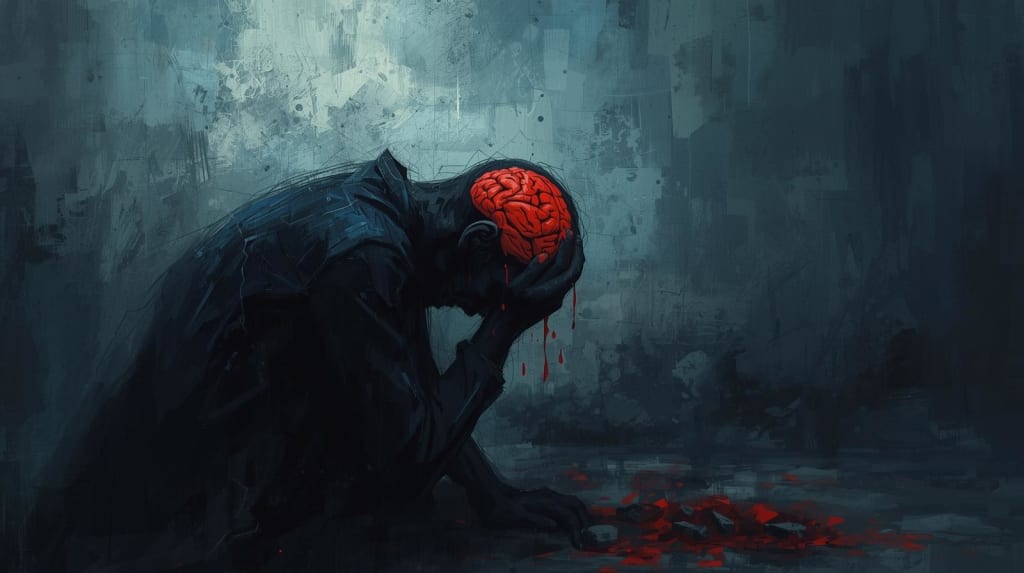
It’s not in the schools. It’s not in the streets. The single biggest threat to your child’s healthy development is hiding in their pocket, accessible with a single click. The average age of first exposure to hardcore pornography is now between 8 and 11 years old. This isn't about stumbling upon a risqué magazine; this is about children’s developing brains being flooded with graphic, violent, and degrading sexual content before they’ve even had their first kiss. This is a public health crisis, and the damage is both profound and permanent.
The Brain on Porn: A Developing Mind Under Attack
A child’s brain is a masterpiece of construction, rapidly building the neural pathways that will define their personality, relationships, and mental health for life. When you introduce pornography into this delicate environment, it’s like pouring acid on a circuit board.
The primary driver is a powerful neurochemical called dopamine—the brain’s “reward” signal. Pornography provides a supernormal stimulus, triggering a massive, unnatural dopamine surge that the brain did not evolve to handle. For a child, this is neurologically catastrophic. Their brain, desperate to understand this powerful “reward,” begins to wire itself around it.
Addiction is Not an Exaggeration:
The brain downregulates dopamine receptors to cope with the overload. This means your child needs more frequent, more novel, or more extreme material to feel the same effect. This is the chemical foundation of addiction, trapping them in a cycle of compulsion and shame long before they understand what sex is.
Rewiring Their “Love Map”:
Psychologists call it a “sexual template.” Pornography paints a horrifying blueprint for your child: that sex is about violence, domination, and degrading acts, not about intimacy, connection, or love. This becomes their default expectation for relationships, corrupting their capacity for healthy intimacy before it even has a chance to form.
The Real-World Fallout: A Generation in Crisis
This isn’t a theoretical problem. The consequences are visible in doctors' offices and therapists' rooms across the country.
Mental Health Plummeting: Correlated with the rise of ubiquitous porn is a shocking increase in childhood anxiety, depression, and social isolation. The secret shame and neurological dysregulation directly contribute to a mental health epidemic.

The Rise of Erectile Dysfunction in Teenage Boys: Pediatric urologists are reporting a surge in young men with porn-induced erectile dysfunction (PIED). Their brains are so desensitized to pixels that they cannot become aroused by a real, human partner. Their sexuality is being broken before it is ever used.
Distorted Views of Sex and Bodies: Boys are learning that aggression and violence are integral to sex. Girls are learning that their value lies in their ability to endure pain and humiliation for male pleasure. Both are internalizing completely unrealistic and often dangerous standards for bodies and performance.
The Gateway to Extremism: The algorithm doesn’t stop. To keep delivering a “hit,” it pushes users toward more extreme content. A child who starts with softcore content can be guided to violent, racist, or illegal material within weeks, further warping their worldview.
"But I'll Just Talk to Them About It" – Why This Isn't Enough
Many parents believe a single “talk” about the birds and the bees will counterbalance the thousands of hours of graphic instruction their child has received online. This is a dangerous miscalculation.

Your voice is a whisper competing with a hurricane. A 15-minute conversation about respect cannot undo the neurological imprint of watching a woman being choked and slapped. The pornographic script is what feels “normal” to their wired brain; your talk feels like a foreign, irrelevant language.
What You Can Do: It's Not About Spying, It's About Saving Them
Ignoring this problem is not an option. Your child’s future is at stake. Action is not about control; it’s about protection.
Early and Ongoing Dialogue: Start the conversation early, not as one “big talk,” but as an ongoing dialogue. Use age-appropriate language. Explain that some things online are like a poison for their growing brain, designed to trick them into watching more and feeling bad.
Implement Strict Technology Boundaries: A child does not have a right to unlimited, private internet access. Use parental controls. Keep all internet-connected devices in common family areas, not bedrooms. Charge phones overnight in a parent’s room. This is not an invasion of privacy; it is a vital safety rule, like making them wear a seatbelt.
Educate Yourself and Them: Explain the science. Tell them how dopamine works and how companies design content to be as addictive as possible. Frame it as protecting their brain’s health, not just avoiding “bad” stuff.
Foster Real-World Connection: The antidote to a digital drug is real-life joy. Encourage sports, hobbies, face-to-face friendships, and family time. Help them build a life so full of genuine dopamine rewards—from achievement and connection—that the fake digital version loses its appeal.
The most violent thing your child may ever see won’t be in a movie. It will be in a pornographic video, and it will teach them that violence is sex. This is the battle for our children’s minds, their hearts, and their future capacity for love. It’s a battle we cannot afford to lose.
Moral of the Story:
Early and repeated exposure to pornography is causing a neurological and psychological crisis in children, leading to addiction, mental health issues, and broken relationships. Parents must take proactive, firm steps to control digital access and engage in ongoing, honest dialogue to protect their children's developing brains.
About the Creator
The 9x Fawdi
Dark Science Of Society — welcome to The 9x Fawdi’s world.
Keep reading
More stories from The 9x Fawdi and writers in Lifehack and other communities.
The Fractal Society
In the quiet of a frozen Minnesota dawn, Dr. Aris Thorne watched the frost etch its crystalline patterns on his windowpane. Each branch, each twig, was a perfect miniature of the whole—a fractal, nature’s code for infinite complexity born of simple, repeating rules. For decades, Aris had studied these patterns in clouds, river systems, and ferns. But now, nearing retirement, he saw them somewhere new: in the chaos of human society itself.
By The 9x Fawdi5 months ago in Lifehack
Are LED downlights better than halogen for kitchens
When planning a kitchen, bathroom, or full home renovation in Sydney, lighting is one of those details that quietly decides whether the space feels amazing—or just “okay.” Cabinets can be beautiful, stone benchtops can look like art, but if the lighting is wrong, the whole kitchen suddenly feels flat.
By John Zhang7 days ago in Lifehack
Mother’s Day Gift Ideas for Garden Lovers
Mother’s Day is just around the corner, and there’s no better way to celebrate one of the most important women in your life than by giving her the perfect present. Have you decided what to give her this year? If your mom loves gardening and finds peace among her plants, there are plenty of meaningful gift ideas that can perfectly match her passion.
By Andrew Lemieux4 days ago in Lifehack



Comments
There are no comments for this story
Be the first to respond and start the conversation.