
Healthy and Hygienic Food
A Complete Guide to Healthy and Hygienic Eating

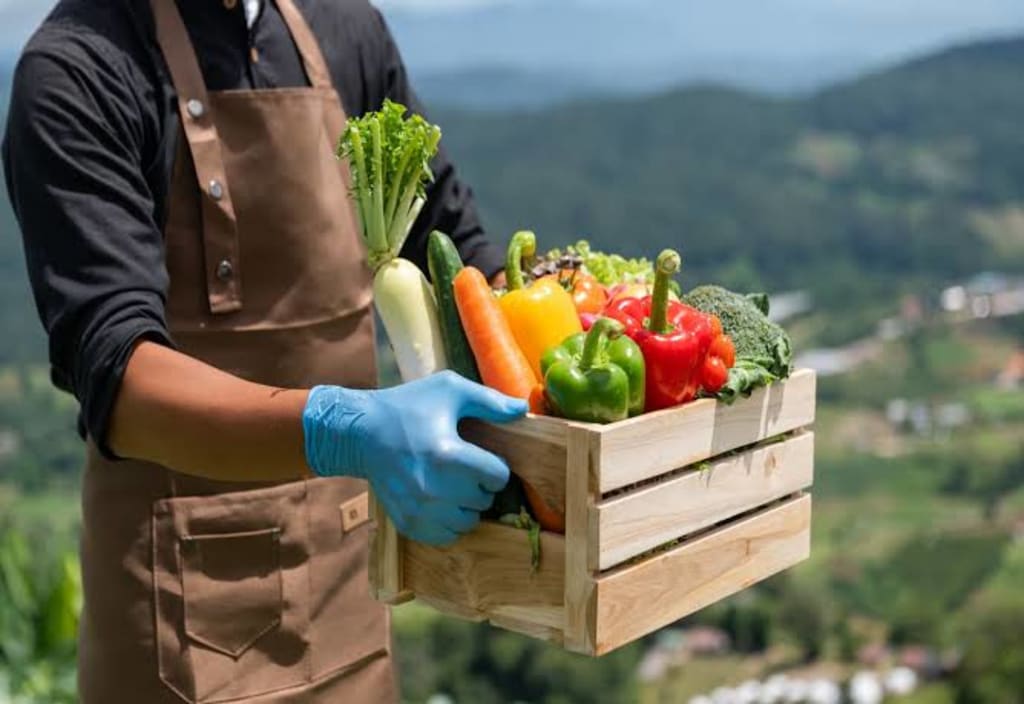
Life, providing the energy and nutrients our bodies need to function properly. However, the safety of the food we consume is just as important as its nutritional value. Unsafe food can lead to foodborne illnesses, long-term health complications, and even death in severe cases. Globally, food safety has become a major public health concern, and understanding how to choose and prepare safe food is crucial for maintaining overall well-being.
What is Food Safety?
Food safety refers to the handling, preparation, and storage of food in ways that prevent foodborne illnesses and contamination. Contaminants in food can include bacteria, viruses, parasites, chemicals, or physical particles like glass or metal fragments. Safe food practices ensure that the food you eat is free from these dangers and fit for human consumption. Food safety refers to the handling, preparation, and storage of food in ways that prevent foodborne illnesses and contamination. Contaminants in food can include bacteria, viruses, parasites, chemicals, or physical particles like glass or metal fragments. Safe food practices ensure that the food you eat is free from these dangers and fit for human consumption. Food safety refers to the handling, preparation, and storage of food in ways that prevent foodborne illnesses and contamination. Contaminants in food can include bacteria, viruses, parasites, chemicals, or physical particles like glass or metal fragments. Safe food practices ensure that the food you eat is free from these dangers and fit for human consumption.
Common Causes of Unsafe Food
1. Biological contamination: Caused by harmful microorganisms such as Salmonella, E. coli, Listeria, and Norovirus.
2. Chemical contamination: Includes pesticide residues, food additives in unsafe quantities, and toxins from cleaning agents.
3. Physical contamination: Involves foreign objects like hair, glass, or metal.
4. Cross-contamination: Happens when bacteria are transferred from one food (especially raw meat) to another.
Principles of Safe Food for Eating
1. Cleanliness is Key
Always wash your hands before and after handling food.
Clean fruits and vegetables thoroughly under running water.
Sanitize kitchen surfaces, cutting boards, and utensils regularly.
2. Separate Raw and Cooked Foods
Keep raw meat, poultry, and seafood separate from other foods to prevent cross-contamination.
Use separate cutting boards and knives for raw and cooked items.
3. Cook Food Thoroughly
Cooking food at the right temperature kills harmful bacteria.
Use a food thermometer to ensure internal temperatures are safe (e.g., poultry should be cooked to 165°F or 74°C).
4. Store Food at Safe Temperatures
Refrigerate perishable items below 40°F (4°C) and freeze items that won’t be consumed soon.
Don’t leave cooked food at room temperature for more than two hours.
5. Check Expiration Dates
Always look at "use by" and "best before" dates.
Avoid eating food that looks, smells, or tastes off—even if it's within the expiration date.
Safe Foods to Include in Your Diet
Certain types of food are generally safer and less prone to contamination when handled properly:
1. Fresh Fruits and Vegetables
Choose firm, ripe produce free from bruises or cuts.
Wash thoroughly, even if you plan to peel them.
Organic produce can reduce exposure to pesticide residues, though it must still be cleaned.
2. Whole Grains
Foods like brown rice, oats, quinoa, and whole-wheat bread are safe and nutritious.
Store grains in airtight containers to prevent insect contamination.
3. Lean Meats and Poultry
Buy from reputable sources.
Store at appropriate temperatures.
Always cook to safe internal temperatures.
4. Pasteurized Dairy Products
Choose pasteurized milk, cheese, and yogurt to reduce the risk of bacterial infections like Listeria.
Avoid unpasteurized dairy unless you are certain of its source and safety.
5. Legumes and Beans
Soak and cook beans thoroughly to remove toxins (e.g., lectins in kidney beans).
Canned beans are safe but should be rinsed to reduce sodium content.
6. Eggs
Purchase pasteurized or fully cooked egg products if you’re consuming them raw or lightly cooked (e.g., in homemade mayonnaise).
Keep eggs refrigerated and cook until yolks are firm.
Foods to Be Cautious About
Raw seafood: Sushi and oysters can carry parasites or bacteria if not properly handled.
Unpasteurized juices and milk: Can contain harmful pathogens.
Undercooked meats: Especially ground meats, which can harbor bacteria throughout.
Processed or street food: May be high in salt, sugar, and fats and prepared in unsanitary conditions.
Special Food Safety Tips for Vulnerable Groups
Certain groups are more vulnerable to foodborne illnesses:
Infants and young children
Pregnant women
Older adults
People with weakened immune systems
For these individuals:
Avoid raw or undercooked meat and eggs.
Only eat pasteurized dairy products.
Avoid deli meats unless heated to steaming hot.
Safe Food Handling at Home
Wash kitchen towels and sponges frequently.
Replace cutting boards when they become worn or develop deep grooves.
Avoid refreezing thawed foods, especially raw meat and seafood.
Label leftovers with dates and consume them within 3–4 days.
Conclusion
Eating safe food is not just about avoiding illness; it’s about preserving long-term health and quality of life. By practicing good hygiene, choosing fresh and properly processed foods, cooking at safe temperatures, and storing food correctly, you can significantly reduce the risk of contamination and foodborne disease. Remember: Safe food = Healthy life. Make it a daily habit to ensure the food on your plate is as safe as it is nourishing.
About the Creator
Keep reading
More stories from TANOO INFO and writers in Lifehack and other communities.
What is Acne?
Understanding Acne: Causes, Impact, and Effective Solutions Acne is a chronic skin condition that affects millions of people worldwide, most commonly during adolescence but also in adulthood. It develops when the pores of the skin become blocked with excess oil (sebum), dead skin cells, and bacteria. This leads to inflammation and the formation of pimples, blackheads, whiteheads, and in severe cases, cysts and nodules.
By TANOO INFO 10 months ago in Lifehack
Be the Anti-Karen For Better Self-Defense
Part of the problem with learning self-defense is remembering that how you interact with others determines how others treat you. This can determine not only how you are treated, but the severity of said treatment. If you treat those around you well, then others will treat you well; if you treat those around you poorly, then you will be treated poorly in turn. This can also determine if people will mess with you or leap to your defense, or even if people will call the police if you get into trouble.
By Jamais Jochim7 days ago in Lifehack
How to Be Self‑Obsessed (The Healthy Way) and Finally Feel Confident, Magnetic, and Unbothered
You know that fantasy where you wake up, stretch like a romcom heroine, and actually like yourself instead of immediately spiralling about your life, your face, and that one text you sent in 2019?
By Anie the Candid Mom Abroad2 days ago in Lifehack




Comments
There are no comments for this story
Be the first to respond and start the conversation.