
What is Acne?
Detailed Perception of Acne and Its Solutions

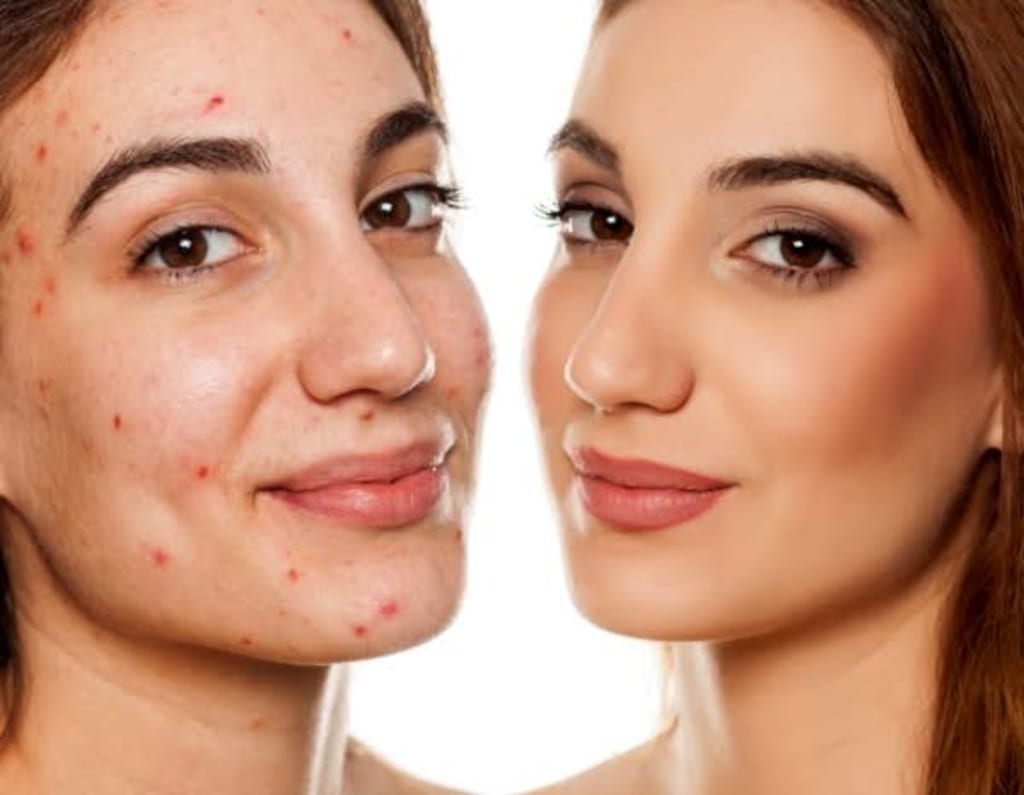
Understanding Acne: Causes, Impact, and Effective Solutions
Acne is a chronic skin condition that affects millions of people worldwide, most commonly during adolescence but also in adulthood. It develops when the pores of the skin become blocked with excess oil (sebum), dead skin cells, and bacteria. This leads to inflammation and the formation of pimples, blackheads, whiteheads, and in severe cases, cysts and nodules.
There are several types of acne, including whiteheads (closed clogged pores), blackheads (open clogged pores), papules (small red bumps), pustules (pimples with pus), nodules (large painful lumps), and cystic acne (deep, inflamed, pus-filled pimples). Each type varies in severity and may require different approaches to treatment.
Acne is primarily caused by hormonal changes that increase oil production in the skin. This is why it is common during puberty, menstruation, pregnancy, and in conditions like polycystic ovarian syndrome (PCOS). Other contributing factors include genetics, poor skincare habits, diet (especially high-sugar or high-dairy intake), stress, and use of comedogenic products (those that block pores).
Acne not only affects physical appearance but can also impact mental health, leading to low self-esteem, social withdrawal, and even depression in severe cases. Therefore, timely and effective treatment is important.
Skincare plays a vital role in managing acne. A gentle routine that includes cleansing twice daily with a mild, non-comedogenic cleanser is essential. Products containing salicylic acid help exfoliate the skin and clear pores, while benzoyl peroxide kills acne-causing bacteria. Retinoids, such as adapalene or tretinoin, are also widely recommended to promote cell turnover and reduce inflammation. It's crucial to use an oil-free moisturizer to maintain skin hydration and sunscreen daily, especially when using active ingredients that may increase sun sensitivity.
For moderate to severe acne, oral medications may be required. Antibiotics can reduce inflammation and bacterial growth, while hormonal treatments like oral contraceptives or spironolactone are effective for women with hormone-related acne. Isotretinoin, a powerful retinoid taken orally, is often considered for persistent, severe acne, though it requires close medical supervision due to potential side effects.
In-office treatments from a dermatologist can further help. These include chemical peels, laser therapy, microneedling, and manual extraction of comedones. These methods can improve active acne and reduce post-acne scarring.
Diet and lifestyle also play a significant role. Maintaining a balanced diet, staying hydrated, reducing sugar and dairy intake (if sensitive), and managing stress through activities like yoga or meditation can support skin health. Additionally, avoiding frequent touching of the face, regularly cleaning pillowcases and phones, and removing makeup before bed can help prevent breakouts.
In conclusion, while acne can be frustrating, it is manageable with the right approach. Consistency in skincare, timely medical intervention, and healthy lifestyle choices are key. For stubborn or severe cases, it’s always best to consult a dermatologist for personalized treatment.
Detailed Perception of Acne and Its Solutions
Understanding Acne
Acne is a common skin condition that occurs when hair follicles become clogged with oil (sebum), dead skin cells, and sometimes bacteria. It typically appears on the face, chest, back, and shoulders. Acne is most common during puberty, but it can affect people of all ages.
Types of Acne
1. Whiteheads – Closed clogged pores.
2. Blackheads – Open clogged pores.
3. Papules – Small red bumps.
4. Pustules – Pimples with pus at their tips.
5. Nodules – Large, painful lumps beneath the skin.
6. Cystic acne – Deep, pus-filled painful lesions.
Causes of Acne
Hormonal changes (puberty, menstrual cycle, pregnancy)
Excess oil production
Bacteria (Propionibacterium acnes)
Diet (high glycemic foods, dairy for some)
Stress
Improper skincare or heavy makeup
Genetics
---
Solutions to Acne
1. Skincare Routine
Gentle cleansing: Twice daily with a mild, non-comedogenic cleanser.
Exfoliation: Use salicylic acid or glycolic acid 2–3 times a week.
Moisturizer: Choose oil-free, non-comedogenic types.
Sunscreen: Essential daily, especially when using acne treatments.
2. Topical Treatments
Benzoyl peroxide: Kills acne-causing bacteria.
Salicylic acid: Unclogs pores.
Retinoids (adapalene, tretinoin): Boost cell turnover and prevent clogged pores.
Azelaic acid: Reduces bacteria and inflammation.
Tea tree oil (natural): Has antibacterial properties.
3. Oral Medications (For moderate to severe acne)
Antibiotics: Reduce bacteria and inflammation.
Hormonal therapy: Birth control pills or spironolactone for females.
Isotretinoin: A powerful retinoid for severe, resistant acne.
4. Professional Treatments
Chemical peels
Laser and light therapy
Extraction by dermatologists
Microneedling
5. Lifestyle and Diet Tips
Avoid touching your face.
Keep hair clean and off the face.
Eat a balanced diet; reduce sugar and dairy if sensitive.
Stay hydrated.
Manage stress through exercise, meditation, or hobbies.
---
When to See a Dermatologist
Persistent acne despite OTC treatments.
Severe acne (nodules or cysts).
Acne that causes scarring.
Signs of hormonal imbalance (irregular periods, excess facial hair, etc.)
About the Creator
Keep reading
More stories from TANOO INFO and writers in Lifehack and other communities.
Healthy and Hygienic Food
Life, providing the energy and nutrients our bodies need to function properly. However, the safety of the food we consume is just as important as its nutritional value. Unsafe food can lead to foodborne illnesses, long-term health complications, and even death in severe cases. Globally, food safety has become a major public health concern, and understanding how to choose and prepare safe food is crucial for maintaining overall well-being.
By TANOO INFO 10 months ago in Lifehack
Keep Losing School Items? Personalised Name Tags Are the Answer
Every school day feels busy. Children carry uniforms, jumpers, coats, bags, lunch boxes, water bottles, shoes, and sports kits. Most of these items look the same as everyone else’s. The same navy jumper. The same black shoes. The same blue water bottle. Things can get confused or swapped very quickly.
By Tiger Tags3 days ago in Lifehack




Comments
There are no comments for this story
Be the first to respond and start the conversation.