
Simple Seasonal Wellness Shifts: Easy Lifestyle Changes for Year-Round Health
Discover how small seasonal adjustments in food, exercise, sleep, and daily habits can boost energy, strengthen immunity, and keep you balanced naturally.

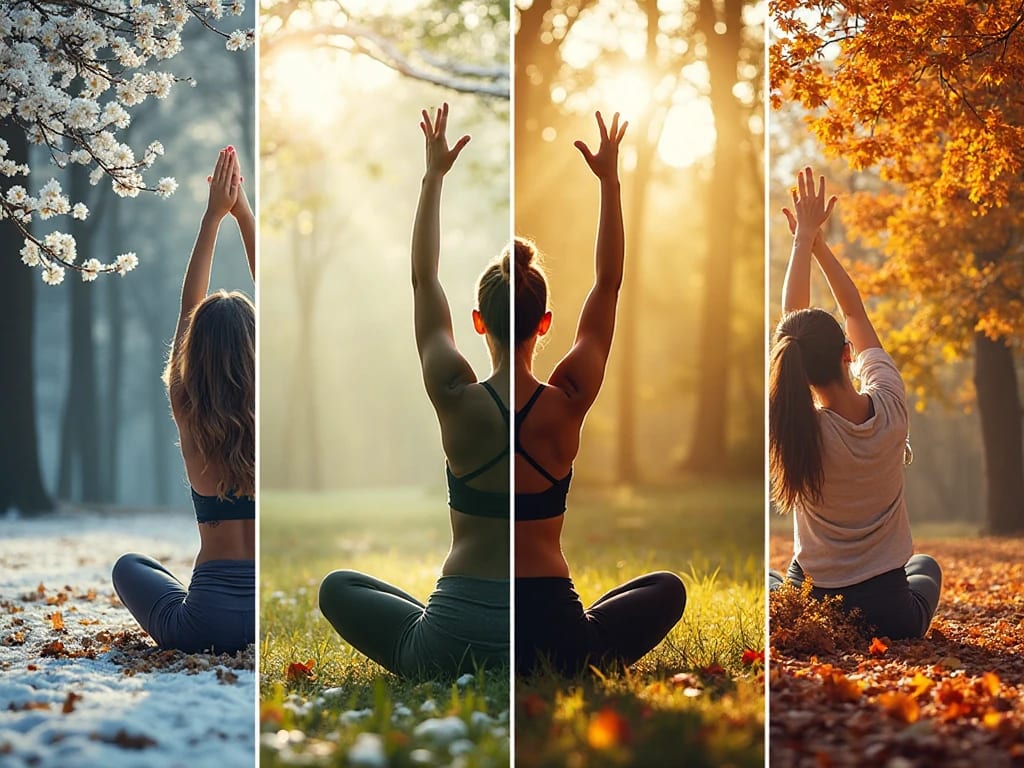
Why Seasonal Shifts Matter
Our bodies are closely linked to the seasons, even when we're not aware of it. When the weather shifts, so do our energy, cravings, and habits. Just as nature responds to each season, small lifestyle changes can keep us healthier, more balanced, and prevent common health issues. They don't have to be elaborate or costly—easy changes can have a great impact.
This article discusses simple, science-supported seasonal health changes that you can implement today to enhance your general well-being.
1. Eat with the Season
One of the easiest and most powerful wellness changes is to synchronize your eating with what's seasonal. Seasonal produce not only tastes better but also has more nutritional value.
Summer: Opt for water-laden foods such as cucumber, watermelon, zucchini, and green leafy vegetables to keep hydrated.
Fall: Apples, root vegetables, and pumpkin provide grounding nourishment and warmth from nature.
Winter: Sweet potatoes, kale, and citrus fruits boost immunity when colds and flu are at their most common.
Spring: Fresh herbs, asparagus, and berries detoxify and refresh the body.
Eating seasonally is healthy for your gut, decreases the amount of processed food consumed, and usually costs less as local foods are less expensive.
2. Adapt Your Daily Cadence
The duration of daylight varies with the time of year, and your body's internal clock (circadian rhythm) is regulated by it.
During summer, waking up earlier and being outside more can give you energy.
During winter, it's only natural to sleep more and value warm nights spent indoors.
Being in tune with your body's rhythm instead of struggling against it regulates sleep, decreases stress, and maintains hormonal balance.
3. Alter Your Exercise Routine
Exercise is required all year round, but the timing and nature can vary with the seasons:
Warm weather: Walking, cycling, hiking, or swimming outside promote natural vitamin D consumption.
Colder months: Try indoor activities like yoga, pilates, resistance training, or dance workouts to keep you active when it's harder to go outside.
Seasonal exercise prevents boredom and keeps one motivated. For example, try the TikTok-famous "6-6-6 walking routine" in the summer, or chair yoga when the weather prevents outdoor workouts.
4. Conscious Drinking Habits
Hydration isn’t just about drinking water—it’s about adjusting how you hydrate in different seasons.
Summer: You may need additional potassium and electrolyte-filled drinks like coconut water or lemon water. Summer.
Winter: Warm herbal teas or warm infused water (ginger, lemon, cinnamon) aid circulation and digestion.
Simple habit: Carry a reusable water bottle everywhere, and let seasonal flavors guide your hydration choices.
5. Redefine Sleep and Rest
Changing light exposure in each season impacts sleep quality. To support good rest:
Blackout curtains can block early morning light in the summer.
During winter, get exposed to sunlight in the morning to combat sluggishness.
Establish bedtime routines such as stretching, writing, or herbal tea to tell your body it's time to sleep.
Good sleep is one of the strongest seasonal health strategies.
6. Seasonal Mental Health Changes
Our moods tend to change with the seasons. Most individuals feel more active in spring and summer but lethargic or even down in winter (often referred to as the "winter blues").
Simple shifts can help:
Spring/Summer: Utilize additional daylight for socializing, walks in nature, and creativity.
Fall/Winter: Welcome warming practices like reading, meditation, or writing in a journal. If possible, use a light therapy lamp to reduce seasonal mood loss.
7. Home Environment and Air Quality
Wellness is not just about the body alone—it's also about the world we inhabit.
Summer: Employ air purifiers or HEPA filters to counteract pollen and dust.
Winter: Keep indoor humidity in check with humidifiers to prevent dry skin and respiratory issues.
Spring: Purify and declutter—spring cleaning is a health ritual unto itself.
A hygienic home setting reduces allergies, improves sleep, and boosts energy levels overall.
8. Mindful Eating Times
Science indicates that consuming the majority of your calories before the day gets underway enhances metabolism and digestion. This naturally fits with seasonal changes:
Longer summer days → lighter evening meals, increased outdoor lunches.
Shortening winter days → earlier, warming meals with stews and soups.
Just altering when you eat can balance energy and weight without altering what you eat.
9. Seasonal Superfoods to Try
Summer: Berries, cucumbers, zucchini.
Autumn: Pears, pumpkin, pomegranates.
Winter: Sweet potatoes, ginger, citrus fruits.
Spring: Asparagus, leafy greens, fresh herbs.
These not only create variety but also give your body what it naturally needs for each season.
10. Listen to Your Body
The most significant well-being transition is to tune in to what your body is requesting. Do you need lighter fare during summer? Do you want to sleep more during winter? Honoring those natural cues makes health feel effortless, not enforced.
Final Thoughts
Seasonal wellness shifts are not about strict rules or elaborate programs. They are about gentle changes—eating differently, moving differently, resting differently—as the world around you changes. By aligning yourself with the seasons, you are working in support of your body's natural rhythms, and making wellness a sustainable year-round reality. Even small actions—such as incorporating seasonal fruits and vegetables, taking a walk outside when the sun is out, or sipping herbal tea during colder months—can amount to significant gains in health, mood, and energy.
About the Creator
Kiruthigaran Mohan
art writing...
Keep reading
More stories from Kiruthigaran Mohan and writers in Lifehack and other communities.
TikTok’s “6-6-6” Walking Routine: The Viral Fitness Trend That Delivers Real Results
TikTok has become one of the biggest platforms for fitness inspiration, and the latest trend sweeping across the app is called the “6-6-6 Walking Routine.” Despite its name, it has nothing to do with superstition or symbolism. Instead, this viral workout is all about structured walking—a low-impact, accessible, and surprisingly effective way to boost health and fitness.
By Kiruthigaran Mohan5 months ago in Lifehack
A Dart at Dusk
Seconds ago, the sullen sun set on the two of us… my exuberant furry companion and me. A fresh breeze embraces us, delivering welcome relief from the day’s oppressive heat. His typical stumbling and staggering along — apace with a sloth — has turned into trip-trapping, high-stepping, almost skipping along.
By Angie the Archivist 📚🪶5 days ago in Petlife




Comments
There are no comments for this story
Be the first to respond and start the conversation.