
Growing Legal Scrutiny Over Medical Billing Data Breaches: A Call for Stronger Protections
Medusind Inc. Data Breach Affects Over 360,000 Individuals

The healthcare industry has increasingly become a prime target for cyberattacks, with medical billing companies being particularly vulnerable due to the vast amounts of sensitive patient data they handle. Recent high-profile data breaches have exposed the personal and medical information of thousands, leading to legal battles and increased regulatory scrutiny. As these cases unfold, they highlight the urgent need for enhanced cybersecurity measures and stricter legal compliance to protect patient data.
Medical Billing Specialists Inc. Faces Class-Action Lawsuit
In February 2024, Medical Billing Specialists Inc. (MBS) experienced a data breach that exposed extensive patient information, including names, addresses, dates of birth, Social Security numbers, and medical records. A proposed class-action lawsuit filed in the U.S. District Court for the District of Massachusetts alleges that MBS failed to monitor its computer systems adequately, leading to unauthorized access and theft of patient data.
The lawsuit contends that MBS did not adhere to its contractual obligations with medical providers, industry standards, or even its own stated security practices. The plaintiffs argue that MBS violated multiple laws, including the Health Insurance Portability and Accountability Act (HIPAA), which mandates strict safeguards to protect patient health information (PHI). The case is expected to test how courts interpret liability for third-party medical billing vendors in the event of a data breach.
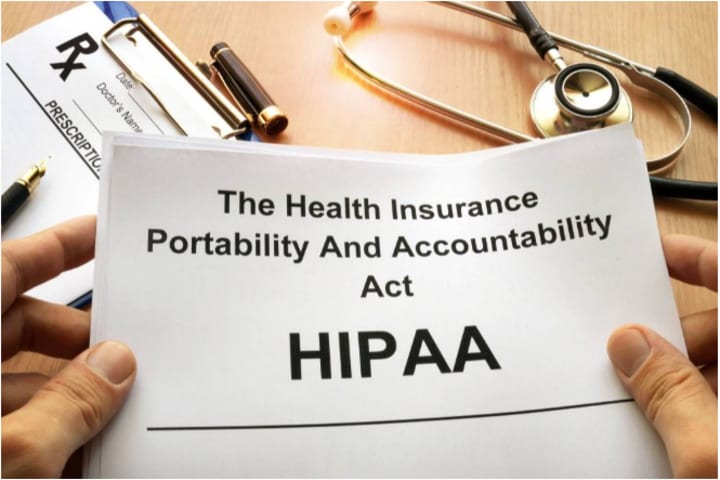
HIPAA, Photo by upvio.com
Medusind Inc. Data Breach Affects Over 360,000 Individuals
Similarly, Medusind Inc., a Miami-based medical billing processor, disclosed a data breach in December 2023 that impacted more than 360,000 individuals. The compromised data encompassed health insurance details, payment information, medical histories, and government identification numbers. The breach was discovered after the company detected suspicious activity on its network, leading to an internal investigation that confirmed unauthorized access to sensitive files.
Legal experts suggest that Medusind may face litigation under both HIPAA and state consumer protection laws, such as the California Consumer Privacy Act (CCPA), which grants residents significant rights over their data. The breach also raises questions about whether medical billing firms are investing adequately in cybersecurity defenses to comply with evolving regulatory expectations.
Kaye-Smith Enterprises Settles for $2 Million Following Cyberattack
In another notable case, Kaye-Smith Enterprises, a hospital billing and mailing vendor, agreed to a $2 million settlement after a 2022 cyberattack exposed personal data from patients across five healthcare systems. The affected institutions included MultiCare Health System, UW Medicine, Geisinger, Seattle Children's, and St. Luke's Health System.
The settlement provides compensation for individuals who suffered direct financial losses due to the breach, offering up to $2,500 per claimant or a $500 cash payment, along with 12 months of complimentary credit monitoring services. This case highlights the significant financial repercussions businesses face when they fail to safeguard patient information adequately.
Legal Framework and Regulatory Implications
As Curpas Florian Cristian, Avocat from Oradea, explains:
"Medical billing companies must prioritize cybersecurity to comply with existing regulations and protect patient data from increasingly sophisticated cyber threats. Failure to do so can result in severe legal and financial consequences."
Federal and state laws impose strict obligations on entities handling patient data. HIPAA, enforced by the U.S. Department of Health and Human Services (HHS), requires covered entities and their business associates to implement stringent security measures to prevent unauthorized access to PHI. Violations can result in fines ranging from $100 to $50,000 per violation, with a maximum annual penalty of $1.5 million.
Additionally, the Federal Trade Commission (FTC) has begun applying the FTC Act’s prohibition against unfair and deceptive practices to medical data breaches, arguing that inadequate data security measures can constitute consumer fraud. State laws, such as the New York SHIELD Act and the CCPA, further expand regulatory oversight, allowing for individual and class-action lawsuits when companies fail to implement reasonable security measures.
How Medical Billing Companies Can Strengthen Cybersecurity
These incidents underscore the critical need for robust cybersecurity measures within the healthcare industry, especially among third-party service providers handling sensitive patient data. The legal and financial consequences of such breaches are substantial, affecting not only the compromised entities but also the broader healthcare ecosystem.
Key Cybersecurity Best Practices:
- Multi-Factor Authentication (MFA): Adds an extra layer of security against unauthorized access.
- Real-Time Threat Monitoring: Helps detect and mitigate cyber threats before they escalate.
- Encryption of Patient Data: Ensures sensitive information remains protected even if accessed by hackers.
- Regular Security Audits: Identifies vulnerabilities and ensures compliance with legal requirements.
- Employee Training Programs: Educates staff on cybersecurity best practices and phishing prevention.
Conclusion
The increasing frequency of data breaches within the healthcare sector is drawing heightened legal scrutiny, with courts, regulators, and lawmakers emphasizing the importance of stringent data security standards. Companies failing to comply with HIPAA, CCPA, and other privacy regulations face severe financial penalties and reputational damage. Strong regulatory enforcement and improved cybersecurity practices will be essential in safeguarding patient information and restoring trust in healthcare data management.
For further insights, please visit AI Joux.
References
- Bloomberg Law. (2024). Medical billing vendor sued over health data leak gold mine. Retrieved from https://news.bloomberglaw.com/privacy-and-data-security/medical-billing-vendor-sued-over-health-data-leak-gold-mine
- Bleeping Computer. (2024). Medical billing firm Medusind discloses breach affecting 360,000 people. Retrieved from https://www.bleepingcomputer.com/news/security/medical-billing-firm-medusind-discloses-breach-affecting-360-000-people/
- Becker's Hospital Review. (2024). Hospital billing vendor to pay $2M over data breach. Retrieved from https://www.beckershospitalreview.com/cybersecurity/hospital-billing-vendor-to-pay-2m-over-data-breach.html
- Federal Trade Commission. (2024). Federal Trade Commission Act. Retrieved from https://www.ftc.gov/legal-library/browse/statutes/federal-trade-commission-act
- U.S. Department of Health and Human Services. (2024). HIPAA Regulations. Retrieved from https://www.hhs.gov/hipaa/index.html
- California Attorney General’s Office. (2024). California Consumer Privacy Act (CCPA). Retrieved from https://oag.ca.gov/privacy/ccpa
About the Creator
Keep reading
More stories from Lucy Jones and writers in Lifehack and other communities.
Unleash the Power of Natural Stones: Benefits for Your Home and Well-being
Natural stones are gaining popularity in home design and wellness practices, catching the eyes of homeowners and designers alike. From stunning granite countertops to calming marble floors, these materials prove to be both beautiful and practical. Natural stones offer a range of benefits that enhance aesthetics, provide durability, contribute to health, and have a positive environmental impact.
By Lucy Jones11 months ago in Lifehack



Comments
There are no comments for this story
Be the first to respond and start the conversation.