
From Ounces to Cups: The Ultimate Kitchen Conversion Guide
Kitchen Math Made Easy: Measure, Convert, and Serve Sustainably
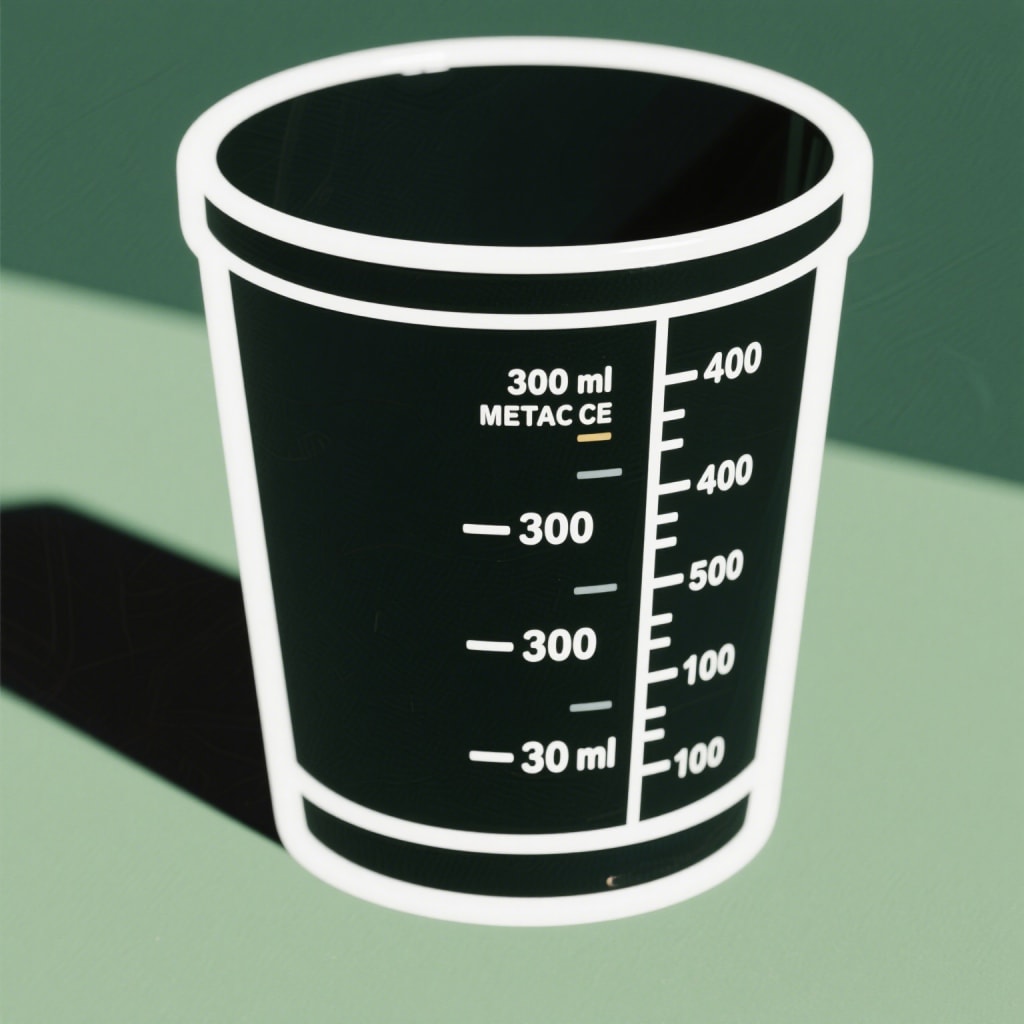
Whether you're an experienced baker, a home cook, or just someone who loves precision in the kitchen, understanding liquid measurements is crucial. Converting between ounces (oz), milliliters (ml), and cups can be confusing, but this comprehensive guide will make it simple. We’ll cover all the essential conversions, explain why accuracy matters, and even explore eco-friendly cup options like PLA cups, cornstarch cups, bagasse cups, and paper cups.
Why Accurate Liquid Measurements Matter
Before diving into conversions, let’s discuss why precision is key:
Baking requires exact ratios – Unlike cooking, where you can often adjust flavors, baking relies on precise measurements for chemical reactions (like leavening).
Consistency in recipes – If you’ve ever wondered why a dish didn’t turn out the same twice, inconsistent measuring could be the culprit.
International recipe adjustments – Many recipes use metric (ml) or imperial (oz, cups) measurements, so knowing conversions helps avoid mistakes.
Now, let’s break down the most common measurement conversions.
Essential Liquid Measurement Conversions
1. How Many Cups is 10 oz?
10 oz to cups: Since 1 cup = 8 fluid ounces, 10 oz equals 1.25 cups.
10 oz to ml: 10 fluid ounces is approximately 295.7 milliliters.
When to use this conversion:
Measuring liquids like milk, water, or broth in recipes.
Portioning coffee or tea servings (many travel mugs are 10-12 oz).
2. 300 ml to Cups – A Common Measurement
300ml to cups: Since 1 cup ≈ 236.6 ml, 300 ml is about 1.27 cups.
Frequently asked: "How many cups is 300 ml?" – Now you know it’s just over 1 ¼ cups.
Practical uses:
Many European and Australian recipes use 300 ml for liquids like cream or stock.
Standard glass sizes (like a small water glass) often hold around 300 ml.
3. 250 ml to Cups – The Metric Standard
250ml to cups: Equals 1.06 cups, often rounded to 1 cup for simplicity.
Why this matters:
In countries using the metric system, 250 ml is the standard "cup" measurement (unlike the US 236.6 ml).
Common in recipes for sauces, dressings, and beverages.
4. 240 ml to Cups – The US Standard
240 ml to cups: Exactly 1 US legal cup (though nutrition labels round to 240 ml for simplicity).
Key takeaway:
If a recipe calls for "1 cup," it’s safest to assume 240 ml unless specified otherwise.
5. 8 oz to Cups – The Basic Conversion
8 oz to cups: 1 cup (the most fundamental liquid measurement).
Where you’ll see this:
Standard liquid measuring cups are marked in cups and ounces.
Beverage servings (a standard coffee cup is often 8 oz).
6. 700 ml to Cups – Larger Quantity Conversion
700 milliliters to cups: Roughly 2.96 cups (almost 3 cups).
When this is useful:
Scaling up recipes (like soups or batters).
Measuring wine or other liquids in bulk.
Handy Conversion Chart for Quick Reference
Measurement Cups Milliliters (ml)
8 oz 1 cup 236.6 ml
10 oz 1.25 cups 295.7 ml
240 ml 1 cup 240 ml
250 ml ~1.06 cups 250 ml
300 ml ~1.27 cups 300 ml
700 ml ~2.96 cups 700 ml
Measuring Tips for Best Results
Use the Right Tools
Liquid measuring cups (with spouts) for fluids.
Dry measuring cups (nested cups) for powders like flour.
A digital kitchen scale for ultimate precision.
Eye-Level Checking
Always check liquid measurements at eye level to avoid over-pouring.
Temperature Matters
Some liquids (like honey or syrup) measure differently when cold vs. warm.
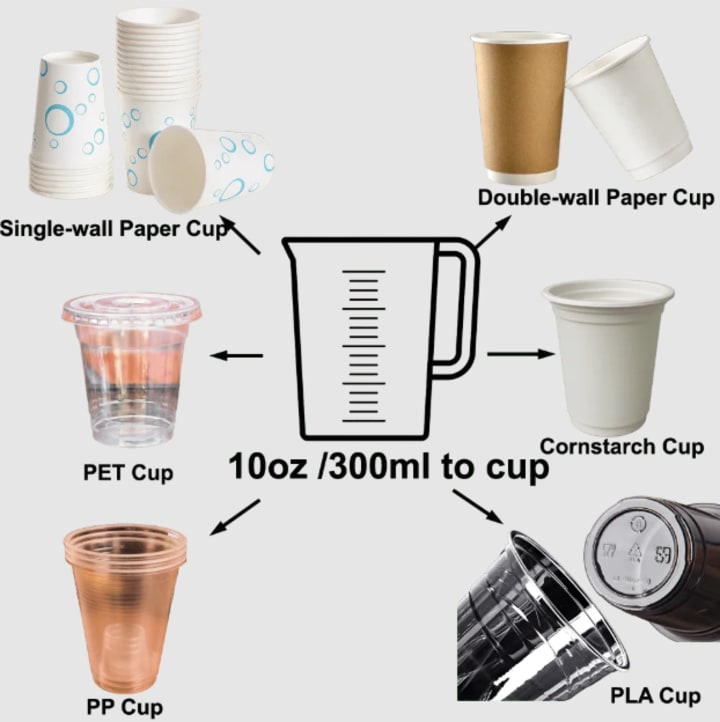
Eco-Friendly Cup Options for Measuring & Serving
If you’re measuring ingredients or serving drinks, why not choose sustainable materials? Here are some great alternatives to traditional plastic cups:
1. PLA Cups (Polylactic Acid)
Made from cornstarch or sugarcane.
Compostable in industrial facilities.
Great for cold beverages.
2. Cornstarch Cups
Biodegradable and lightweight.
Often used for disposable serving cups.
3. Bagasse Cups (Sugarcane Fiber)
Made from sugarcane waste, sturdy and heat-resistant.
Ideal for hot drinks like coffee or tea.
4. Paper Cups (With PLA Lining)
Recyclable if lined with PLA instead of plastic.
Common in coffee shops and takeout services.
Why Switch to Eco-Friendly Cups?
Reduces plastic waste.
Many are microwave-safe and durable.
Better for the environment without sacrificing convenience.
Final Thoughts
Now that you’ve mastered oz to cups, ml to cups, and other essential conversions, you’ll never second-guess a recipe again. Whether you’re baking, cooking, or just portioning drinks, these measurements will ensure consistency and accuracy.
Plus, by choosing eco-friendly cups like PLA, cornstarch, bagasse, or paper cups, you can make your kitchen more sustainable.
About the Creator
Snapchat Account Hack in 2026: The Real Methods and How to Protect Yourself
Your Snaps Aren't as Disappearing as You Think When you send a Snap, you probably believe it vanishes into the digital void after being viewed. This illusion of ephemerality creates a dangerous false sense of security for millions of Snapchat users. Behind the playful lenses and streaks lies a constant, hidden battle for account access—a battle where your personal conversations, photos, and location data are the prize. Understanding this landscape isn't about promoting hacking; it's about empowering you with the knowledge to build digital fortresses around your private life.
By Alexander Hoffmannabout 2 hours ago in Lifehack


Comments
There are no comments for this story
Be the first to respond and start the conversation.