
Can Paper Plates Go in the Microwave? Everything You Need to Know
Can Paper Plates Go in the Microwave?
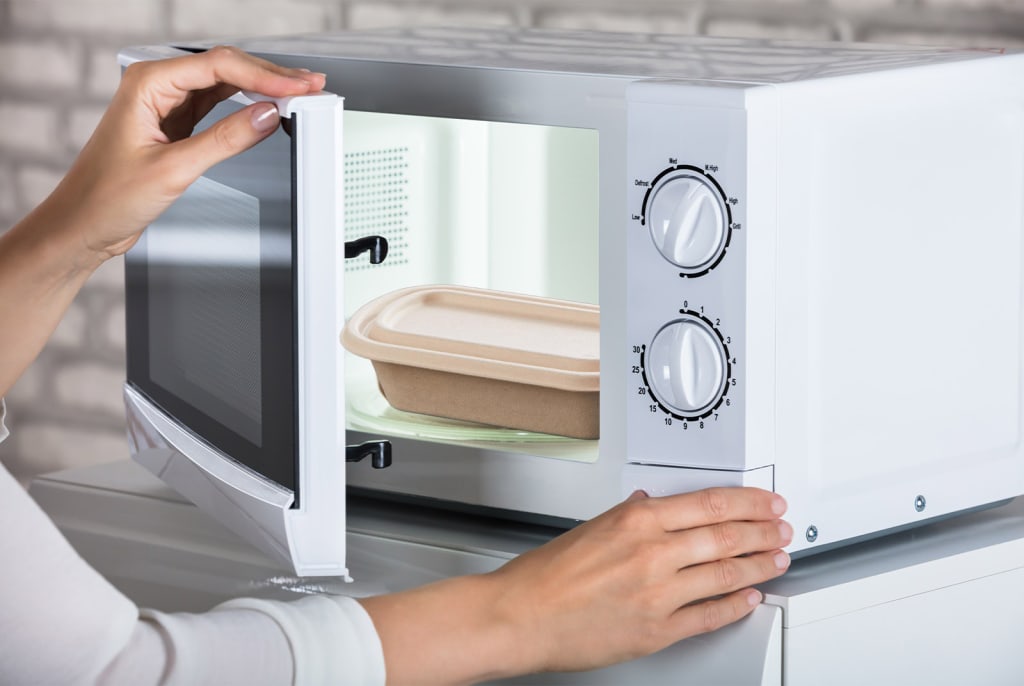
In today’s fast-paced world, convenience is key. Many people rely on paper plates for quick meals, especially when heating leftovers. But the question arises: Can paper plates go in the microwave? Is it truly safe to heat food using disposable plates, or could this practice pose health risks?
To answer these concerns, we will explore whether you can microwave paper plates, analyze scientific studies on microwave-safe materials, and provide best practices for heating food safely.
Are Paper Plates Microwave-Safe? The Science Behind It
The short answer is: Yes, most paper plates are microwave-safe—but with some conditions.
What Happens When You Put Paper Plates in the Microwave?
Microwaves heat food by emitting electromagnetic waves that excite water molecules, generating heat. Unlike metal, paper does not reflect these waves, allowing microwaves to pass through without creating sparks or fires.
However, not all paper plates are created equal. While plain, uncoated paper plates are generally safe to use, those with plastic coatings, decorative prints, or metallic linings can release harmful chemicals when heated.
According to the U.S. Food and Drug Administration (FDA), certain disposable products may contain plastic polymers or dyes that break down when exposed to high temperatures, potentially leaching into food.
💡 Key Takeaway: If you’re wondering, "Can you microwave a paper plate?"—the answer depends on its material composition.
What Makes a Paper Plate Microwave-Safe?
If you are unsure whether you can put paper plates in the microwave, check for the following signs:
✅ Labeled as “Microwave-Safe” – Many manufacturers test their paper plates and include a label indicating microwave safety.
✅ Made from 100% Paper – Plates without coatings, prints, or added chemicals are the safest choice.
✅ Passes the Heat Test – If the plate remains cool while food heats up, it is likely microwave-safe.
🚫 Avoid Paper Plates That:
Have a wax or plastic coating (may melt or release toxins).
Feature metallic trims or designs (can cause sparks and fire hazards).
Feel unusually stiff or glossy (indicating added chemicals).
A 2019 study published in the Journal of Food Protection found that plastic-lined disposable plates released microplastics when heated above 100°C (212°F), making plain paper plates a safer alternative.
Can You Put Paper Plates in the Microwave? Testing for Safety
If a plate is not labeled as microwave-safe, you can perform a simple microwave test:
How to Test a Paper Plate in the Microwave
Fill a microwave-safe cup with water.
Place the cup and paper plate inside the microwave.
Heat on high for 30 seconds.
Touch the plate. If it feels cool, it is microwave-safe. If it is hot or soft, avoid using it in the microwave.
💡 Why does this test work?
Microwave-safe materials allow waves to pass through without absorbing heat.
If the paper plate gets hot, it may contain chemicals that absorb microwave energy, making it unsafe.
What Are the Risks of Microwaving Paper Plates?
Although you can microwave paper plates, improper use may lead to:
1. Chemical Leaching
Some paper plates contain PFAS (per- and polyfluoroalkyl substances), which can migrate into food when heated.
According to a 2021 study from Environmental Science & Technology, PFAS exposure is linked to hormonal disruptions and increased cancer risk.
2. Fire Hazard
A dry paper plate in the microwave for too long may catch fire.
According to the National Fire Protection Association (NFPA), over 4% of reported kitchen fires result from improper microwave use.
3. Structural Weakness
Some plates may soften or break apart, leading to food spills or burns.
Best Practices for Microwaving Paper Plates
To minimize risks while microwaving paper plates, follow these guidelines:
✅ Safe Microwave Use
✔ Use plain, uncoated paper plates.
✔ Heat food in short intervals (30-60 seconds).
✔ Check for microwave-safe labels on packaging.
🚫 Avoid These Mistakes
❌ Do not microwave plates with plastic coatings.
❌ Never microwave a plate with metallic designs.
❌ Do not overheat food for extended periods.
💡 Alternatives to Paper Plates
If you frequently reheat food, consider using:
Microwave-safe glass plates
Ceramic dishes
Silicone food containers
Frequently Asked Questions (FAQs)
1. Can you microwave paper plates from fast-food restaurants?
Nou micropaper plateswave ot all takeout plates are microwave-safe. Many have a wax or plastic coating to prevent leaks. Always check for a microwave-safe label.
2. How long can you microwave a paper plate?
Heat food in short intervals (30-60 seconds at a time) to avoid weakening the plate.
3. Can paper plates go in the microwave with greasy food?
Yes, but be cautious. Grease can heat up faster than other foods, increasing the risk of burning the plate.
4. What happens if you microwave the wrong kind of paper plate?
If the plate is not microwave-safe, it may soften, release chemicals, or even catch fire. Always perform the microwave test if unsure.
5. Are there eco-friendly alternatives to microwave-safe paper plates?
Yes! Sugarcane fiber plates, palm leaf plates, and bamboo plates are natural, compostable, and microwave-safe.
Conclusion: Can Paper Plates Go in the Microwave?
Yes, you can microwave paper plates, but only if they are uncoated and labeled microwave-safe. When in doubt, use the microwave test or opt for reusable alternatives like ceramic or glass dishes.
Key Takeaways:
✔ Plain paper plates are generally safe for microwaving.
✔ Avoid coated, printed, or metallic plates.
✔ Use short heating intervals and test plate safety before use.
✔ Eco-friendly alternatives like sugarcane and bamboo plates are great substitutes.
So, the next time you wonder, "Can you microwave a paper plate?"—you’ll have all the information you need to heat your meal safely!
About the Creator
Absolutely 100% Free Stuff With No Shipping Costs
In a world where everything seems to come with a price tag—including “free” offers that sneak in unexpected shipping fees—it can feel impossible to get truly free items. But with the right strategies, resources, and platforms, it is completely possible to score legitimate, 100% free stuff with no shipping costs or hidden charges. Whether you're looking to save money, reduce waste, or simply love the thrill of discovering freebies, this guide will walk you through the best ways to find authentic no-cost items online and in your local community.
By Master Binz4 days ago in Lifehack
Complete Guide to Wi-Fi Password Recovery & Protection
Understanding Wi-Fi Security Forgetting your Wi-Fi password is a common frustration in our connected world. This comprehensive guide explores legitimate methods to recover lost Wi-Fi credentials while emphasizing network security best practices. Whether you're a homeowner locked out of your network or an IT professional assisting users, this article provides ethical solutions while reinforcing the importance of protecting wireless networks from unauthorized access.
By Alexander Hoffmann2 days ago in Lifehack


Comments
There are no comments for this story
Be the first to respond and start the conversation.