
"Effective Food and Diet Strategies for Sustainable Weight Loss"
"Small Changes, Big Results: Navigating Food and Diet for Successful Weight Loss"


In today's society, people are often looking for ways to lose weight and improve their overall health. One of the most effective ways to achieve this is through diet and nutrition. By making changes to your eating habits and adopting a healthier diet, you can not only lose weight but also improve your overall health and well-being.
In this article, we will discuss the importance of diet and nutrition for weight loss, as well as provide some tips and strategies for developing a healthy eating plan.
The Importance of Diet and Nutrition for Weight Loss
When it comes to weight loss, there are two primary factors to consider: calories in versus calories out. This means that you need to consume fewer calories than you burn in order to lose weight. While exercise is important for burning calories and improving overall health, the primary way to achieve weight loss is through diet and nutrition.
A healthy diet should include a balance of macronutrients (carbohydrates, protein, and fat) as well as micronutrients (vitamins and minerals). A diet that is high in processed foods, saturated fats, and added sugars can lead to weight gain, while a diet that is high in whole foods, lean proteins, and healthy fats can help promote weight loss and overall health.
Tips for Developing a Healthy Eating Plan for Weight Loss
Focus on Whole Foods
One of the most important things you can do when developing a healthy eating plan for weight loss is to focus on whole foods. This means choosing foods that are as close to their natural state as possible, such as fruits, vegetables, lean proteins, and whole grains. These foods are typically lower in calories and higher in nutrients than processed foods, making them an ideal choice for weight loss.
Monitor Your Caloric Intake
In order to lose weight, you need to consume fewer calories than you burn. This means you need to monitor your caloric intake and make sure you are eating fewer calories than you burn each day. A calorie tracking app can be a helpful tool for monitoring your daily caloric intake and making sure you stay on track.
Pay Attention to Portion Sizes
Portion sizes are another important factor to consider when developing a healthy eating plan for weight loss. Many people underestimate the amount of food they are consuming, which can lead to consuming more calories than intended. Pay attention to portion sizes and use measuring cups and spoons to ensure you are eating the right amount of food.
Choose Lean Proteins
Protein is an essential nutrient for weight loss, as it helps promote feelings of fullness and can help you maintain muscle mass during weight loss. When choosing protein sources, opt for lean proteins such as chicken, fish, turkey, tofu, and beans.
Limit Processed Foods
Processed foods are often high in calories, unhealthy fats, and added sugars, making them an obstacle to weight loss. Limit your intake of processed foods and focus on whole foods instead.
Incorporate Healthy Fats
Healthy fats are an important part of a healthy diet, as they can help promote feelings of fullness and are essential for proper bodily function. Incorporate healthy fats such as avocado, nuts, seeds, and olive oil into your diet.
Stay Hydrated
Staying hydrated is important for weight loss, as it can help reduce feelings of hunger and promote healthy digestion. Aim to drink at least 8-10 cups of water per day, and avoid sugary drinks such as soda and juice.
Plan Your Meals
Planning your meals in advance can help ensure you are making healthy choices and staying on track with your weight loss goals. Set aside time each week to plan your meals and snacks, and make sure you have healthy options available for when hunger strikes.
Don't Skip Meals
Skipping meals can actually hinder
weight loss efforts, as it can lead to overeating and unhealthy food choices later on. Make sure to eat regular, balanced meals throughout the day to keep your metabolism functioning properly and avoid feeling excessively hungry.
Allow for Treats in Moderation
While it's important to focus on whole, nutritious foods for weight loss, it's also important to allow for treats in moderation. Depriving yourself of your favorite foods can lead to feelings of resentment and frustration, which can sabotage your weight loss efforts. Instead, allow yourself small indulgences in moderation and focus on making healthy choices the majority of the time.
Putting It All Together
Developing a healthy eating plan for weight loss can be challenging, but it's an important step towards achieving your goals. By focusing on whole, nutritious foods, monitoring your caloric intake, and making healthy choices the majority of the time, you can lose weight and improve your overall health and well-being.
Remember, weight loss is a journey, and it's important to be patient and kind to yourself along the way. Don't expect overnight results, and celebrate small victories along the way. With a healthy eating plan, dedication, and persistence, you can achieve your weight loss goals and improve your overall health and happiness.
About the Creator
Top 10 Questions to Ask Every Perth NDIS Service Before You Engage Them
Choosing the right National Disability Insurance Scheme (NDIS) provider shapes the quality of care, independence, and outcomes a participant experiences. In Perth, families and participants face a growing number of service options, which makes informed decision-making essential.
By Anshul Vijaya day ago in Lifehack
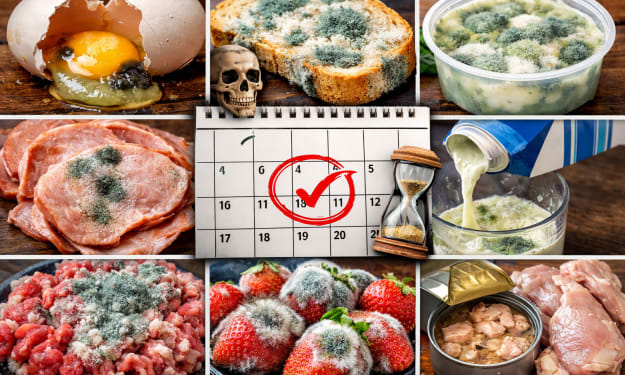
9 Foods You Should Never Eat Past the Expiration Date, No Exceptions
But certain foods cross a line where the expiration date becomes about more than just quality—it’s about safety. Eating past that line can expose you to dangerous bacteria, toxins, or nutrient loss you can’t see or smell. Knowing which foods to never push beyond their expiration dates is key to keeping your kitchen safe. Here are the nine foods that are not worth the risk.
By General gyana day ago in Lifehack


Comments
There are no comments for this story
Be the first to respond and start the conversation.