
"Unveiling the Impact of Social Media on Mental Health: A Comprehensive Analysis"
"Exploring the Relationship Between Social Media Use and Psychological Well-being, Depression, Anxiety, and Self-esteem"

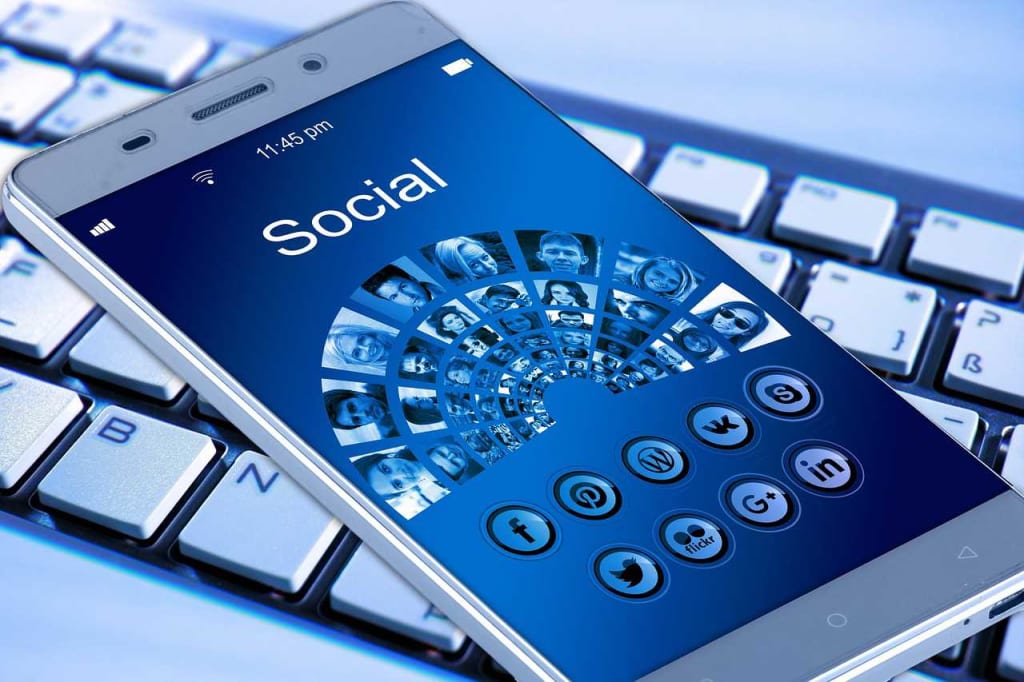
In recent years, social media has become a ubiquitous aspect of our daily lives. Whether it's scrolling through Instagram, tweeting on Twitter, or posting updates on Facebook, social media has become a key way for people to connect with others and share their lives. However, while social media has many benefits, there is growing concern about the impact it has on mental health. In this article, we will explore the ways in which social media can affect mental health and provide some tips for maintaining a healthy relationship with social media.
One of the most significant impacts of social media on mental health is the potential for increased anxiety and depression. Studies have shown that excessive social media use can lead to increased feelings of loneliness, social isolation, and FOMO (fear of missing out). In particular, social media can create a distorted view of reality, with users only presenting their best selves online. This can create unrealistic expectations and a feeling of inadequacy among users, leading to increased anxiety and depression.
Another potential impact of social media on mental health is the increase in cyberbullying. While traditional bullying has always been a problem, social media has created a new platform for bullies to operate. Cyberbullying can lead to feelings of helplessness, anxiety, and depression among victims, which can have a long-term impact on mental health.
Social media can also have an impact on sleep patterns. Studies have shown that excessive social media use, particularly in the evening, can disrupt sleep patterns and lead to insomnia. This is because the blue light emitted by electronic devices can interfere with the body's production of melatonin, a hormone that helps regulate sleep.
Despite these potential negative impacts, social media can also have positive effects on mental health. For example, social media can be an excellent platform for people to connect with others who share similar interests or experiences. This can create a sense of community and belonging, which can be beneficial for mental health.
Furthermore, social media can provide access to mental health resources and support. Many organizations and mental health professionals use social media to provide information, advice, and support to those in need. This can be particularly beneficial for people who may not have access to traditional mental health services.
So, what can you do to maintain a healthy relationship with social media? Here are some tips:
Limit your social media use: Set limits on the amount of time you spend on social media each day. This can help prevent excessive use and reduce the negative impact on mental health.
Be mindful of your social media use: Pay attention to how social media makes you feel. If you notice that it is causing anxiety or negative feelings, take a break or limit your use.
Create a positive social media experience: Follow accounts that promote positivity and mental health. This can help create a more positive experience on social media.
Take breaks: It's essential to take regular breaks from social media to recharge and reduce the negative impact on mental health.
In conclusion, social media has the potential to impact mental health in both positive and negative ways. While excessive social media use can lead to increased anxiety and depression, social media can also provide a platform for connection and support. By being mindful of your social media use and taking steps to create a positive experience, you can maintain a healthy relationship with social media and protect your mental health.
Additionally, it's important to remember that social media is just one aspect of our lives, and it's essential to maintain a balance between our online and offline lives. Engaging in offline activities, such as spending time with friends and family, pursuing hobbies, and engaging in physical activity, can help to reduce the negative impact of excessive social media use.
Another important aspect to consider is the impact of social media on self-esteem. As previously mentioned, social media can create unrealistic expectations and lead to feelings of inadequacy. However, it's important to remember that social media is a curated version of reality, and people often only share the highlights of their lives. Comparing ourselves to others on social media can be damaging to our self-esteem, and it's important to remember that everyone's journey is different.
It's also worth noting that social media is not inherently good or bad, and the impact it has on our mental health can depend on a variety of factors, including how we use it and our individual experiences. It's important to approach social media with a critical eye and be mindful of how it affects us.
In conclusion, social media has become an integral part of our daily lives, and it's essential to be aware of its potential impact on our mental health. By taking steps to limit excessive use, creating a positive social media experience, and maintaining a balance between online and offline activities, we can protect our mental health and enjoy the benefits that social media has to offer. Ultimately, it's up to us to decide how we engage with social media and the role it plays in our lives.
It's also important for social media companies to take responsibility for the impact their platforms have on mental health. Many platforms have already taken steps to address the negative impact of social media, such as introducing features to promote positive mental health and combat cyberbullying. However, more can be done to ensure that social media is a safe and supportive space for all users.
As individuals, we can also support each other in maintaining a healthy relationship with social media. This includes being aware of the impact our own social media use may have on others and offering support to friends or family members who may be struggling with the negative effects of social media.
In conclusion, while social media has the potential to impact mental health in both positive and negative ways, it's important to approach it with caution and be mindful of its impact on our well-being. By taking steps to maintain a healthy relationship with social media and supporting each other in doing so, we can enjoy the benefits of social media while protecting our mental health.
About the Creator
Top 10 Questions to Ask Every Perth NDIS Service Before You Engage Them
Choosing the right National Disability Insurance Scheme (NDIS) provider shapes the quality of care, independence, and outcomes a participant experiences. In Perth, families and participants face a growing number of service options, which makes informed decision-making essential.
By Anshul Vijay2 days ago in Lifehack
9 Foods You Should Never Eat Past the Expiration Date, No Exceptions
But certain foods cross a line where the expiration date becomes about more than just quality—it’s about safety. Eating past that line can expose you to dangerous bacteria, toxins, or nutrient loss you can’t see or smell. Knowing which foods to never push beyond their expiration dates is key to keeping your kitchen safe. Here are the nine foods that are not worth the risk.
By General gyana day ago in Lifehack



Comments
There are no comments for this story
Be the first to respond and start the conversation.