
Dengue Fever: Understanding Symptoms and Effective Strategies for Prevention
With cases on the rise, here's how to deal with this viral fever

Introduction:
As the monsoon season arrives, providing relief from sweltering heat, it also brings an increased risk of dengue fever due to the thriving population of mosquitoes. Dengue cases rise every year during this time, posing a serious health threat. In this article, we will delve into the symptoms of dengue fever, explore treatment options, and highlight effective preventive measures to combat the spread of this viral illness.
Understanding Dengue Fever:
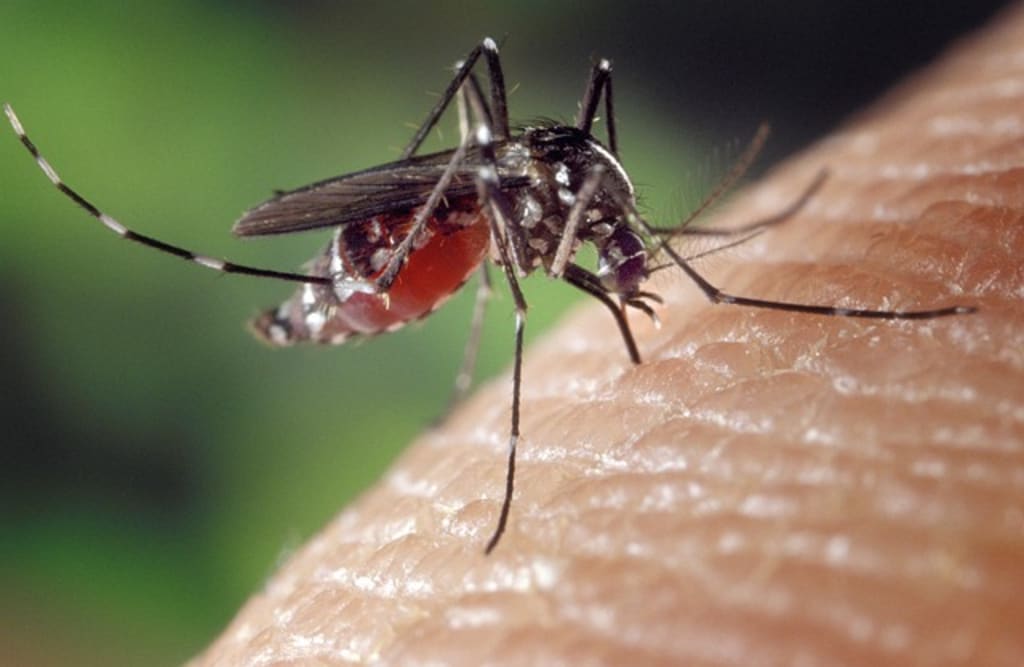
Dengue fever is a viral illness caused by the Aedes aegypti mosquito, commonly known as the yellow fever mosquito. This species is responsible for transmitting several other diseases, including chikungunya, Zika fever, Mayaro, and yellow fever. Recognizable by their distinctive black and white leg markings and a lyre-shaped marking on their thorax, Aedes aegypti mosquitoes are prevalent in tropical and subtropical regions.
Recognizing Symptoms of Dengue:
Once infected by a mosquito carrying the dengue virus, individuals become susceptible to a range of symptoms. Common signs include high fever, severe headache, muscle and joint pain, fatigue, nausea, vomiting, skin rash, and mild bleeding from the nose or gums. It is important to note that dengue symptoms can vary, and in severe cases, they can lead to complications such as severe bleeding, organ damage, and low platelet count, which can result in dengue hemorrhagic fever (DHF) or dengue shock syndrome (DSS). Diagnosis of dengue typically involves a combination of clinical evaluation, medical history assessment, and laboratory tests, including blood tests to detect the presence of the dengue virus or antibodies.
Treatment and Management of Dengue:
Currently, there is no specific antiviral treatment for dengue fever. Management focuses on relieving symptoms, ensuring hydration, and monitoring for any complications. Here are some important considerations:
Hydration: Adequate fluid intake is crucial for managing dengue. Oral rehydration solutions are recommended to maintain electrolyte balance. In severe cases, intravenous (IV) fluids may be necessary.
Pain Relief: Over-the-counter pain relievers such as acetaminophen (paracetamol) can help alleviate fever, headache, and muscle and joint pain. Avoid non-steroidal anti-inflammatory drugs (NSAIDs) like aspirin or ibuprofen, as they can increase the risk of bleeding.
Medical Care: Individuals with severe symptoms or complications may require hospitalization for close monitoring, IV fluid administration, and supportive care.
Prevention and Control Strategies:
Preventing mosquito breeding and minimizing mosquito bites are key to reducing dengue transmission. Here are essential preventive measures:
Eliminate Breeding Sites: Mosquitoes breed in stagnant water, so removing or properly covering water containers, emptying flower pots, and clearing blocked drains can help eliminate breeding grounds.
Use Mosquito Repellents: Apply mosquito repellents containing DEET, picaridin, or oil of lemon eucalyptus on exposed skin to deter mosquitoes.
Protective Clothing: When outdoors, especially during peak mosquito activity (early morning and late afternoon), wearing long-sleeved shirts, long pants, socks, and closed shoes can provide an additional physical barrier.
Window and Door Screens: Install window and door screens or use bed nets to keep mosquitoes out of living and sleeping areas.
Community Efforts: Promote community awareness and involvement in dengue prevention through education campaigns, community clean-up drives, and effective waste management practices.
Conclusion:
Dengue fever remains a significant public health concern, particularly during the monsoon season. Understanding the symptoms, seeking timely medical care, and implementing preventive measures are crucial steps in combating dengue transmission. By eliminating mosquito breeding sites, using mosquito repellents, wearing protective clothing, and promoting community engagement, we can effectively reduce the incidence of dengue fever and protect ourselves and our communities from this viral illness. Remember, prevention is key, and early detection and proper management are vital in mitigating the impact of dengue fever. Stay vigilant and prioritize health and hygiene to combat dengue effectively.
About the Creator
Keep reading
More stories from Chirag Malakiya and writers in Lifehack and other communities.
Does Oatmeal Cause or Relieve Constipation? Here's What a Dietitian Says
Talk about a nutritious breakfast! Oatmeal is known for its heart-healthy benefits, but is it good for constipation? Not only is oatmeal delicious, affordable, and versatile, but it also has a bunch of health benefits, from stabilizing blood sugars to reducing LDL cholesterol levels. That's largely due to its fiber content, which also helps with gut health. Specifically, when it comes to managing constipation, oatmeal can play a helpful role. In this article, we'll explain oatmeal's role in managing constipation, discuss other foods to eat or avoid for constipation relief, and explore additional ways to treat constipation effectively.
By Chirag Malakiya3 years ago in Lifehack




Comments
There are no comments for this story
Be the first to respond and start the conversation.