
Does Oatmeal Cause or Relieve Constipation? Here's What a Dietitian Says
Does Oatmeal Cause or Relieve Constipation? Here's What a Dietitian Says

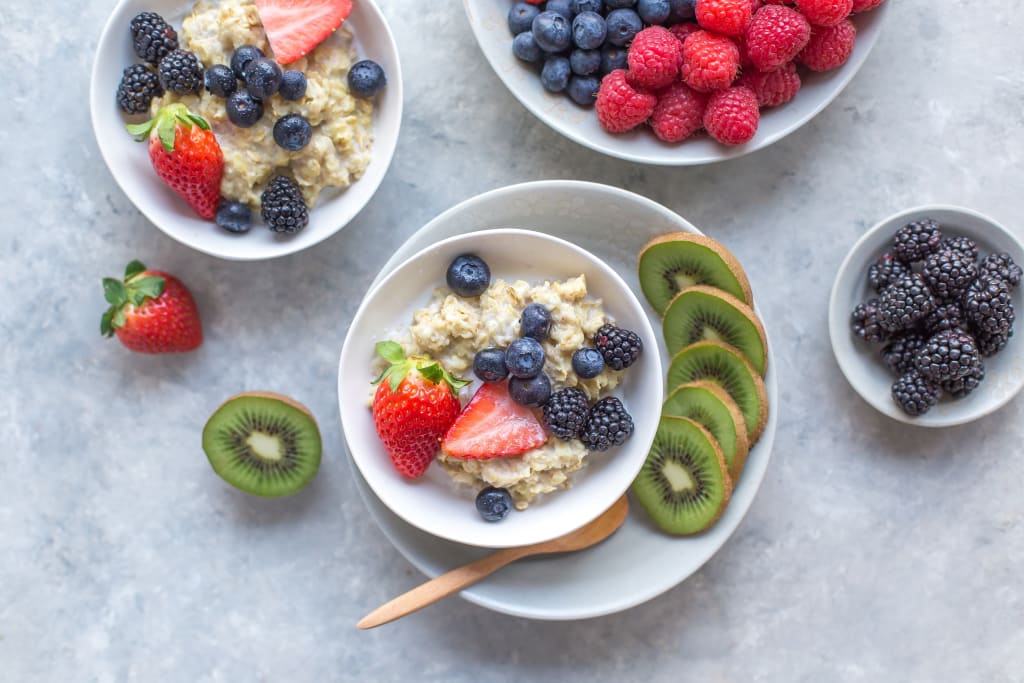
Talk about a nutritious breakfast! Oatmeal is known for its heart-healthy benefits, but is it good for constipation?
Not only is oatmeal delicious, affordable, and versatile, but it also has a bunch of health benefits, from stabilizing blood sugars to reducing LDL cholesterol levels. That's largely due to its fiber content, which also helps with gut health. Specifically, when it comes to managing constipation, oatmeal can play a helpful role. In this article, we'll explain oatmeal's role in managing constipation, discuss other foods to eat or avoid for constipation relief, and explore additional ways to treat constipation effectively.
What's the Link Between Oatmeal and Constipation?
Constipation is no fun, and finding relief from it can feel really frustrating. According to the National Institute of Diabetes and Digestive and Kidney Diseases (NIDDK), symptoms of constipation may include:
- Fewer than three bowel movements per week
- Hard, dry or lumpy stools
- Difficulty or pain passing stool
- Feeling of incomplete evacuation (when you feel like all the stool has not passed)
Here's how oatmeal can help relieve constipation:
1. It's a Good Source of Fiber:
You may have heard that for constipation relief, fiber is key. There are two types of fiber: soluble and insoluble. Soluble fiber absorbs water, forming a gel-like substance during digestion. Insoluble fiber does not absorb water, thus speeding up the movement of food through the digestive tract and adding bulk to the stool, according to the National Library of Medicine. The 2020-2025 Dietary Guidelines for Americans recommend adults consume 22-34 grams of fiber per day, depending on their age and sex. Luckily, one cup of raw oats contains over 8 grams of fiber, making it a significant source.
2. It Promotes a Healthy Gut Microbiome:
Oats are an especially good source of soluble fiber, including beta-glucan. Beta-glucan has been associated with a plethora of health benefits, as indicated by a 2019 review in the Annals of the National Institute of Hygiene. This review found that beta-glucan helps promote a healthy gut microbiome and can aid in preventing inflammation and colon cancer.
3. It Helps Soften Stool:
A 2016 review published in the Journal of the Academy of Nutrition and Dietetics aimed to differentiate the health benefits of soluble and insoluble fiber. The researchers discovered two ways fiber can act as a laxative in the large intestine. Firstly, large insoluble fiber particles irritate the gut, stimulating water and mucous secretion. Secondly, soluble fiber resists dehydration due to its high water-holding capacity. These mechanisms result in higher water content in the stool, making it bulkier, softer, and easier to pass. Since oats are a good source of soluble fiber, they provide softening effects, making stool easier to pass.
What Foods Help to Relieve Constipation?
As you now know, fiber, in general, helps prevent and manage constipation. Therefore, meeting the recommended daily fiber intake can promote your overall gastrointestinal health, including constipation relief.
Foods high in fiber that can help relieve constipation, according to the NIDDK, include:
- Whole grains such as whole wheat bread, brown rice, whole wheat pasta, and oatmeal
- Legumes such as chickpeas, lentils, and beans
- Fruits such as berries, prunes, apples, oranges, and pears
- Vegetables such as leafy greens, carrots, broccoli, and artichokes
- Nuts and seeds such as almonds, peanuts, pistachios, chia seeds, and pumpkin seeds
Foods to Limit If You Have Constipation:
Since fiber helps prevent and relieve constipation, it's best to focus on fiber-containing foods rather than those with little to no fiber. However, that's not to say you should never eat low-fiber foods. It's essential to be mindful of whether you could opt for more fiber-rich alternatives whenever possible.
Foods generally low in fiber, per the NIDDK, include:
- Fast food
- Chips
- Meat
- Ultra-processed foods like hot dogs or some microwavable dinners
- Prepared foods, like some frozen meals and snack foods
It's worth noting that these foods are not a monolith. For example, plenty of chip options are high in fiber, and not all frozen meals are fiber-free. If you enjoy these foods or rely on their convenience, it may be worth checking the food label to ensure the ones you choose have some fiber.
Other Ways to Relieve Constipation:
Aside from food, there are other ways to keep constipation at bay. These include:
1. Being Physically Active:
Regular physical activity can stimulate bowel movements and promote regularity. Aim for at least 30 minutes of exercise most days of the week.
2. Bowel Training:
Bowel training involves trying to train yourself to use the bathroom at the same time each day. Establishing a routine can help regulate your bowel movements and prevent constipation.
3. Hydrating Adequately:
Staying hydrated is crucial for maintaining regular bowel movements. Make sure to drink enough water throughout the day. Aim for at least 8 glasses of water or more depending on your body's needs.
4. Taking Medication as Recommended by Your Doctor:
In some cases, your doctor may recommend medications or laxatives to alleviate constipation. Follow their instructions carefully and consult them for personalized advice.
Frequently Asked Questions:
1. Can oatmeal make you constipated?
Oatmeal is unlikely to cause constipation. If anything, it can help relieve constipation due to its soluble fiber content. However, it's important to drink enough fluids to help move the fiber through your system effectively.
2. How long after eating oatmeal will you poop?
The timing of bowel movements after eating oatmeal can vary from person to person. It depends on factors such as your usual bathroom habits, other foods consumed, and the underlying cause of constipation. There is no hard-and-fast rule for how quickly oatmeal will make you poop.
3. Does oatmeal cause bloating?
Oatmeal should not cause bloating by itself. However, if you are constipated, it may feel like anything you eat or drink exacerbates the bloating. Oatmeal can help relieve constipation, and consuming it may help alleviate constipation-related bloating. However, individuals with digestive issues such as irritable bowel syndrome (IBS) may be more sensitive to fiber and may experience bloating when consuming high-fiber foods.
4. How can you eat oatmeal without being constipated?
Oatmeal can actually help relieve constipation, so most people should not worry about it causing constipation. However, if you suspect that oatmeal is causing constipation for you personally, it may be helpful to speak with a registered dietitian for more individualized guidance.
5. What breakfast is best for constipation?
Oatmeal can make a great breakfast for constipation! To enhance its constipation-relieving benefits, top it with berries, chia seeds, and nuts, which will further increase its fiber content.
The Bottom Line:
Oatmeal is a good source of fiber, particularly soluble fiber, making it a beneficial food for constipation relief. Its ability to add moisture
to the stool and promote a healthy gut microbiome contributes to easier bowel movements. When combined with other high-fiber foods like fruits, nuts, and seeds, oatmeal becomes an even more effective choice for relieving constipation. Remember to stay physically active, practice bowel training, stay hydrated, and consult your doctor for personalized advice and possible medication recommendations. With a well-rounded approach, you can find relief from constipation and enjoy the many health benefits of oatmeal as part of a balanced diet. So go ahead, start your day with a delicious bowl of oatmeal and support your digestive health!
About the Creator
Keep reading
More stories from Chirag Malakiya and writers in Lifehack and other communities.
DIY Facial Scrub: Try This Strawberry and Brown Sugar Exfoliator to Unclog Pores and Rejuvenate Your Skin
Achieving a radiant and glowing complexion doesn’t always require expensive skincare products. Sometimes, all you need are a few simple ingredients from your kitchen. A homemade face scrub made with strawberries and brown sugar can work wonders for your skin. If your skin has been acting up in these humid monsoon months, this natural exfoliating scrub will not only remove dead skin cells but also nourish and rejuvenate your skin, leaving it with a beautiful glow. Let's delve into the benefits of strawberries and brown sugar for the skin and discover how to create your own homemade face scrub.
By Chirag Malakiya3 years ago in Lifehack




Comments
There are no comments for this story
Be the first to respond and start the conversation.