
Data breach compilation lists 16 billion compromised passwords
Data breach compilation lists 16 billion compromised passwords

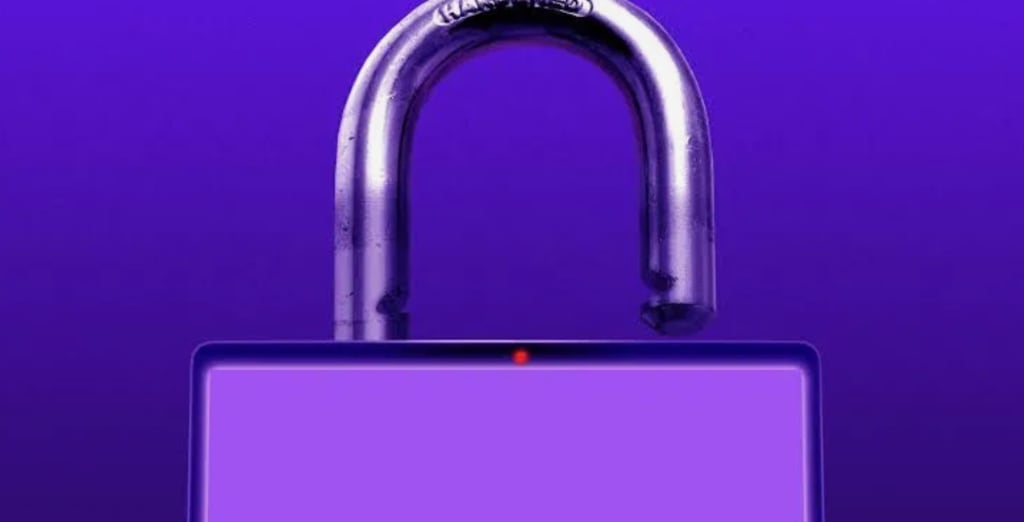
**Data Breach Compilation Lists 16 Billion Compromised Passwords**
In an alarming development for cybersecurity experts and everyday internet users alike, a massive compilation of over **16 billion compromised credentials** has been discovered circulating on hacker forums and darknet marketplaces. One of the largest known password caches, this cache serves as a stark reminder of the growing threats of the digital age and the urgent need for stronger security measures for both individuals and businesses. ### The Discovery
Cybersecurity researchers recently uncovered a compilation known in underground circles as "RockYou2024," referencing the infamous "RockYou" data leak of 2009. Unlike previous breaches which were tied to a single source or company, this newly surfaced compilation appears to be an aggregation of numerous past data breaches. It contains **email addresses, usernames, and plaintext passwords** harvested from both well-known and obscure platforms over the last decade. Many of the credentials are believed to be current and still in use, putting millions of accounts at immediate risk.
Threat actors are said to have assembled this massive compilation by scraping information from hundreds—possibly thousands—of smaller data breaches. While many of these breaches had already been publicized, the consolidation of the data into one accessible source is what makes this discovery particularly dangerous. It enables cybercriminals to launch automated attacks, such as **credential stuffing** and **brute-force intrusions**, with far greater efficiency.
### Implications for Users
With billions of compromised credentials floating around the dark web, the implications for average internet users are significant. Several services, including email providers, online banking, e-commerce platforms, social media accounts, and even internal corporate networks, now allow hackers to access sensitive login information. If a user reuses passwords across multiple accounts—a common bad habit—the risks are exponentially increased.
Compromised credentials often lead to **identity theft**, unauthorized financial transactions, phishing campaigns, and blackmail. Password leaks can cause harm to individuals and also provide cybercriminals with a backdoor into larger systems, allowing for ransomware attacks or corporate espionage. Businesses of all sizes are especially vulnerable if employees use personal emails and passwords for work-related services.
### The Need for Vigilance
This finding emphasizes the importance of maintaining strong password hygiene. Experts urge individuals and organizations to immediately take the following precautions:
1. **Change passwords immediately**, especially for accounts that share similarities or reuse the same passwords.
2. Use **password managers** to generate and store strong, unique passwords for each account.
3. Enable **two-factor authentication (2FA)** wherever possible to add an extra layer of security.
4. Monitor accounts regularly for unauthorized activity.
5. Use breach-checking tools such as *Have I Been Pwned* to see if your credentials are part of any known leaks.
Organizations, on the other hand, must implement strict password policies and consider deploying **Zero Trust** architectures and **multi-layered authentication systems** to mitigate the risk of compromised credentials.
### Growing Trends in Cybercrime
The growth of data breach compilations like this one reflects a broader trend in the cybercrime landscape. The rise of **"as-a-service" models**—where threat actors offer hacking tools, stolen credentials, and malware kits for rent—has made it easier than ever for even low-skilled hackers to launch devastating attacks.
Data breaches are also increasing in both frequency and scale. Major companies across industries—from healthcare and finance to retail and education—have been targeted. This trend shows no signs of slowing down as cybercriminals become more sophisticated and organized.
### Thoughts at the End The compilation of 16 billion compromised passwords is more than just a staggering statistic; it is a wake-up call for everyone who uses the internet. Digital security is no longer optional. It requires ongoing vigilance, strong security habits, and proactive measures.
As the digital world continues to evolve, so too must our strategies to protect ourselves. Individuals and businesses that fail to take cybersecurity seriously risk becoming part of the next breach headline. This most recent compilation's sheer magnitude ought to be sufficient motivation to take action—before it is too late.
About the Creator
GLOBAL NEWS
World News Updated
Short News upload
Technology News
Keep reading
More stories from GLOBAL NEWS and writers in Lifehack and other communities.
Apple WWDC Interview: Craig Federighi and Joz on Siri delay, new Apple Intelligence features and what's next for AI
**Apple Delays Next-Gen Siri, Prioritizes Quality Over Speed at WWDC 2025** Greg "Joz" Joswiak, Senior Vice President of Worldwide Marketing, and Craig Federighi, Senior Vice President of Software Engineering, presented fresh perspectives on the delaying of Apple's next-generation Siri and the broader rollout of "Apple Intelligence," the company's AI platform, at Apple's WWDC 2025 event. Early on, Federighi brought up the big issue: Siri's long-awaited transformation won't happen until 2026. He confirmed that Apple had initially developed and tested a new version of Siri based on the company's first-generation architecture, but that the project was shelved earlier this year because it did not meet Apple's internal standards. Federighi explained, "We had V1 working, but it just wasn't good enough when we looked at the whole picture—reliability, context understanding, app integration." We made the decision to delay it and develop a better version. Apple pivoted to a second-generation architecture that Federighi claims is more capable, reliable, and scalable. The decision meant delaying Siri’s official debut, but it also reflects Apple’s consistent philosophy: never ship until it’s ready.
By GLOBAL NEWS9 months ago in Lifehack
10 Simple Habits for Strong Teeth and Healthy Gums
Maintaining good oral health is essential not only for a bright smile but also for overall well-being. Your mouth is the gateway to your body, and poor oral hygiene can lead to various health problems such as gum disease, tooth decay, and even infections that may affect other parts of the body. Fortunately, taking care of your teeth and gums does not require complicated routines. With a few simple daily habits, you can keep your mouth healthy for years.
By Nenci Gajera about 24 hours ago in Lifehack
The Basics of Successful Property Renovation Projects.
Property renovation is a cornerstone of real estate development, especially in markets with distressed or foreclosed homes. In cities across the country—from rapidly growing metros to legacy industrial hubs—renovation plays a vital role in revitalizing housing stock and meeting buyer demand. Successful renovation projects require careful planning, disciplined execution, and proactive management to maximize value and ensure the property meets modern buyer expectations. When approached strategically, renovation transforms underutilized properties into desirable homes while strengthening communities and generating strong financial returns.
By JB Hoover, Newport Beach3 days ago in Lifehack
"Scream 7" (2026): Running out of Fresh Screams
This is the seventh time we’ve had a Ghostface crisis. Scream 7 is the latest edition of the Scream franchise. Sydney Prescott and her family are under attack by another anonymous killer dressed in a Ghostface costume. While having issues with her daughter, Tatum, they run from the bloody murders, trying to determine who is behind it all.
By Marielle Sabbag5 days ago in Horror



Comments
There are no comments for this story
Be the first to respond and start the conversation.