
10 Simple Habits for Strong Teeth and Healthy Gums
Daily Oral Care Tips to Protect Your Smile Naturally
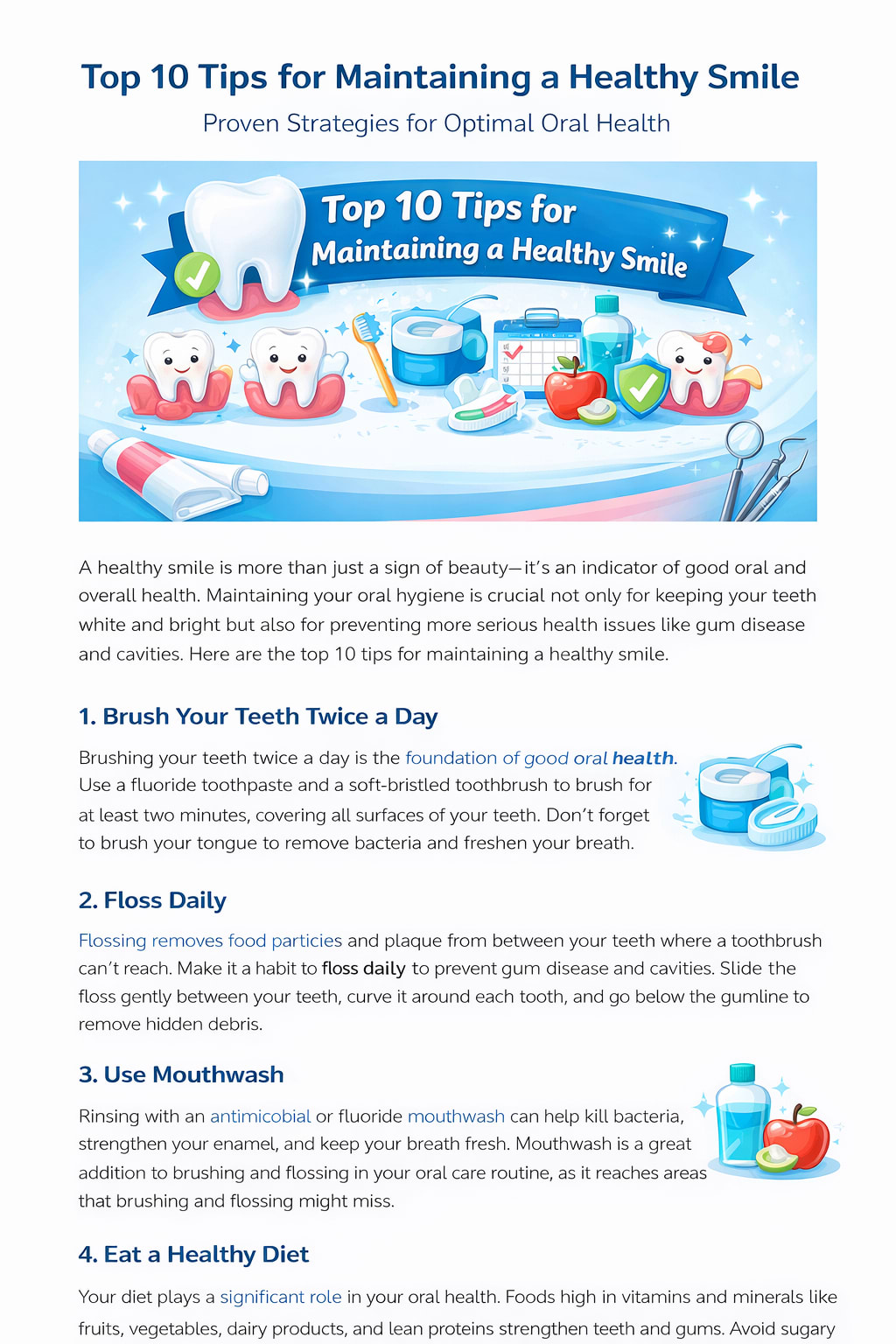
Maintaining good oral health is essential not only for a bright smile but also for overall well-being. Your mouth is the gateway to your body, and poor oral hygiene can lead to various health problems such as gum disease, tooth decay, and even infections that may affect other parts of the body. Fortunately, taking care of your teeth and gums does not require complicated routines. With a few simple daily habits, you can keep your mouth healthy for years.
In this article, we will explore ten simple yet powerful habits that help maintain strong teeth and healthy gums.
1. Brush Your Teeth Twice a Day
Brushing your teeth regularly is the foundation of good oral hygiene. Dentists recommend brushing at least twice a day—once in the morning and once before going to bed.
Use a soft-bristled toothbrush and fluoride toothpaste to clean all surfaces of your teeth. Brushing helps remove plaque, a sticky film of bacteria that forms on your teeth and can lead to cavities and gum disease if not removed. Spend at least two minutes brushing your teeth and make sure to clean your tongue as well.
2. Floss Daily
Many people skip flossing, but it is an important part of oral care. Your toothbrush cannot reach the small spaces between your teeth where food particles and plaque often get trapped.
Flossing once a day removes these hidden particles and prevents plaque buildup. Regular flossing also helps reduce the risk of gum inflammation and bleeding.
If traditional floss feels difficult to use, you can try floss picks or water flossers, which are easy and effective alternatives.
3. Use Mouthwash for Extra Protection
Mouthwash is not a replacement for brushing or flossing, but it can provide additional protection for your teeth and gums.
Antibacterial mouthwash helps kill harmful bacteria that cause plaque and gum disease. Some mouthwashes also contain fluoride, which strengthens tooth enamel and helps prevent cavities.
Using mouthwash once or twice a day can help keep your mouth fresh and clean.
4. Maintain a Healthy Diet
Your diet plays a major role in your oral health. Foods rich in vitamins and minerals help strengthen teeth and gums.
Healthy foods for oral health include:
Fresh fruits and vegetables
Dairy products like milk, cheese, and yogurt
Nuts and seeds
Lean proteins such as fish and eggs
These foods provide essential nutrients like calcium, phosphorus, and vitamin D, which help maintain strong teeth.
Try to limit sugary snacks and drinks because sugar feeds harmful bacteria in your mouth and increases the risk of tooth decay.
5. Drink Plenty of Water
Water is one of the best drinks for your oral health. It helps wash away food particles and bacteria that remain after eating.
Drinking water also helps maintain saliva production. Saliva is important because it neutralizes acids in the mouth and protects tooth enamel from damage.
If possible, choose fluoridated water because fluoride strengthens teeth and helps prevent cavities.
6. Avoid Excess Sugar and Acidic Drinks
Sugary drinks like soda, energy drinks, and sweet juices can harm your teeth. These drinks feed bacteria that produce acids, which slowly erode tooth enamel.
Acidic beverages such as citrus juices and soft drinks can also weaken enamel over time.
Try to reduce your consumption of sugary drinks and rinse your mouth with water after consuming them.
7. Replace Your Toothbrush Regularly
Using an old toothbrush can reduce the effectiveness of your brushing routine.
Dentists recommend replacing your toothbrush every three to four months or sooner if the bristles become worn.
A worn toothbrush cannot clean teeth properly and may harbor bacteria. Keeping your toothbrush fresh ensures better cleaning and improved oral hygiene.
8. Visit Your Dentist Regularly
Regular dental checkups are essential for maintaining oral health. Dentists can detect problems early before they become serious.
Professional cleanings remove tartar, a hardened form of plaque that cannot be removed by brushing alone.
Most dental professionals recommend visiting the dentist every six months for routine checkups and cleanings.
9. Protect Your Teeth from Damage
Many people unknowingly damage their teeth through habits such as teeth grinding, chewing ice, or using teeth as tools to open packages.
These habits can cause cracks, chips, and enamel wear.
If you grind your teeth at night, your dentist may recommend using a mouth guard to protect your teeth while sleeping.
10. Pay Attention to Gum Health
Healthy gums are just as important as healthy teeth. Signs of unhealthy gums include redness, swelling, bleeding while brushing, or persistent bad breath.
These symptoms may indicate the early stage of gum disease, called gingivitis.
Proper brushing, flossing, and regular dental visits help prevent gum disease and keep your gums healthy.
About the Creator
Keep reading
More stories from Nenci Gajera and writers in Lifehack and other communities.
Why Oral Health Matters More Than You Think
Your mouth is one of the main gateways to your body. Everything you eat and drink passes through it first. When hygiene is neglected, harmful bacteria can grow quickly, forming plaque and irritating soft tissues. Over time, this can lead to inflammation, sensitivity, and infections that may even affect other parts of the body.
By Nenci Gajera 2 days ago in Lifehack
Who is your "Person"?
It's important to recognize that you cannot go through life as easily on your own. My name is Elizabeth and I'm a survivor of child abuse and horrific trauma. Healing from trauma is not a quick fix and recognizing that it will take time, is part of the struggle.
By Elizabeth Woods3 days ago in Psyche



Comments
There are no comments for this story
Be the first to respond and start the conversation.