
Children’s Diet Culture Under Scrutiny: Why We Must Rethink “Healthy Eating” for Kids
How food anxieties, wellness fads, and social pressures are shaping children’s relationships with food


Today, health, wellness, and food conversation is everywhere. Social media, advertisements, and even school curricula often bring strong messages about what children "should" or "should not" be consuming. While they intend to promote better habits, many experts warn that diet culture, when taken too far, can harm children rather than help them.
This growing alarm calls into question the manner in which we talk about food, the way we teach kids about nutrition, and the role parents, schools, and policymakers play in shaping lifetime habits.
What Is Diet Culture and Why Is It a Problem for Children?
Culture of diet is the belief that thinness, food rules, and constant obsession with "healthy eating" are necessary to be accepted or valued. In adults, it may show up as fad diets, cleanses, or intense exercise routines. But increasingly, these tensions are filtering into children's lives.
Kids these days are subjected to endless nutritional guidance to stay away from sugar, cut back on carbs, skip seed oils, or eat "clean." While they do need to hear about good nutrition, fanatically excluding certain foods incites fear and shame for food. Instead of forming positive eating habits, kids will form eating disorders, be concerned about food choices, or low self-esteem.
Experts recommend food should be a source of nutrition and delight—not a source of stress or guilt. Children brought up with a constant dread of everyday foods can find their physical and mental health battered by them for years to come.
The Role of Society and Social Media
Social media platforms like TikTok and Instagram are filled with wellness bloggers who sell "kid-friendly" diets. Some of them are harmless, like more vegetables or innovative lunchbox ideas. Others are deceptive, where unscientific arguments are promoted about certain ingredients being "toxic" or "harmful."
Fads like "seed oil free" or "sugar detox" are grounded in weak evidence but are huge successes. When parents engage in these extreme fads, they have a tendency to pass them on to their children—limiting what they can eat and teaching them to fear food groups altogether.
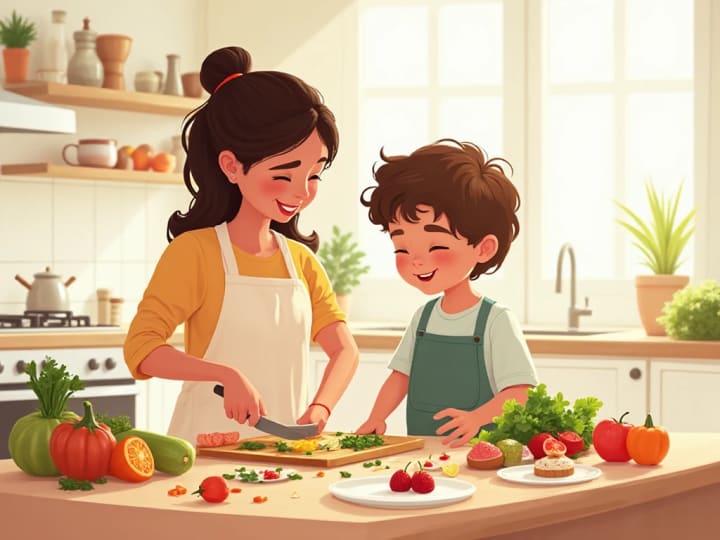
Children also learn from how adults talk about their own bodies. When parents are constantly commenting on calories, weight, or dieting, children learn that how attractive they are makes them worthy. This can create unhealthy beliefs at a very young age.
The Surprising Hidden Costs of Excessive "Healthy Eating"
It may sound paradoxical, but excessive preoccupation with "healthy eating" has hidden costs. Research shows that children brought up in overly controlling environments are more likely to have:
Disordered eating behaviors – Sneaking food, bingeing, or hiding snacks out of guilt.
Nutrient gaps – Avoiding entire categories like fats or carbs can limit essential nutrients.
Negative body image – Associating self-worth with food choices or appearance.
Loss of food joy – Missing the cultural, social, and emotional value of shared meals.
Rather than making kids healthier, these outcomes may contribute to stress, weight fluctuations, and even long-term health problems.
Shaping the Conversation: From Constriction to Balance
Experts recommend a balanced, compassionate new approach to children's eating. Instead of labeling foods "good" and "bad," parents and teachers can emphasize variety, moderation, and enjoyment.
Key strategies:
1. Model Balanced Eating – Show children that it's permissible to enjoy vegetables, fruits, and the occasional treat.
2. Avoid Food Guilt Talk – Colloquial terms such as "junk food" or "cheat day" encourage shame. Use instead neutral statements.
3. Foster Autonomy – Let children receive hunger and fullness cues rather than forcing them to clean the plate.
4. Create Positive Mealtime Habits – Having meals together, preparing meals, and cultural traditions assign meaning to food.
5. Offer Critical Thinking Skills – Educate older children to critically evaluate health trends and learn evidence-based nutrition.
When children eat food with interest and respect, rather than fear, they automatically learn to trust their bodies and make balanced choices.
The Role of Schools and Policy
School and local initiatives also play an important role in the diet of children. Free school meals for all is being introduced in some countries, which guarantees each child access to healthy foods without embarrassment. It has the additional advantage of reducing food insecurity, which is generally an easier barrier to overcome than individual food intake.
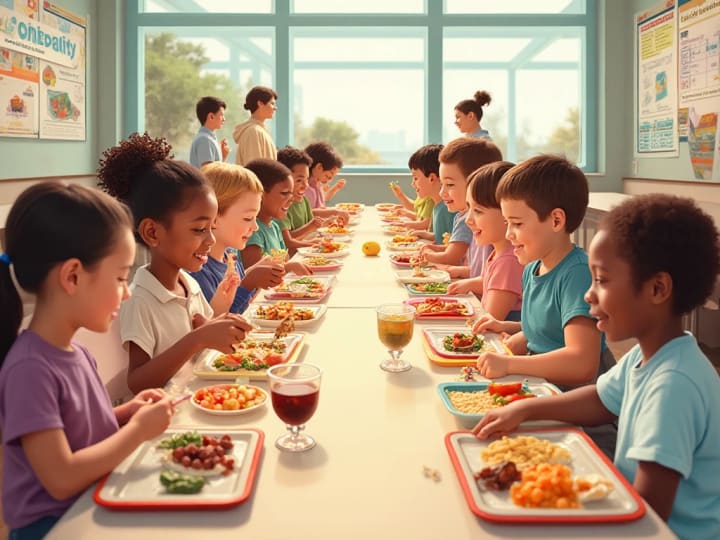
Instead of rigid "healthy plate" laws, schools can create environments that expose children to a wide variety of foods in a healthy way. Cooking classes, school gardens, and culturally appropriate menus allow children to learn about nutrition with dignity.
Policy-level professionals recommend that attention should be paid more to availability of food rather than restriction on food—fresh fruits and vegetables, whole grains, and well-balanced meals should be made affordable and accessible to all families.
Building a Healthy Food Culture for the Next Generation
Children's health need never reduce to calories, weight, or strict rules around food. True wellness is founded on a supportive environment where kids can enjoy food, feel confident, and be themselves.
It is not about making perfect eaters but healthy, adaptable ones—kids who understand that food fuels their bodies, connects them to their cultures and families, and is enjoyable without shame.
As parents, teachers, and society, it is our duty to redirect the focus away from diet culture and toward fostering a more compassionate, empathetic food environment. We thus protect children from nutritional deficiencies only as well as the emotional cost of adverse food phobias.
Conclusion
The examination of children's diet culture serves as a reminder that "healthy eating" is not just about nutrients—it's about relationships, access, and balance too. When adults project their own food and body image issues onto children, it has detrimental effects. But with thoughtful changes in the way we talk, teach, and model food habits, we can actually prepare a generation to grow up feeling strong, confident, and free from the grip of diet culture.
The news is out: kids are better than being subject to fad diets and food phobia. They are worthy of a chance to make healthy, positive, and well-balanced relationships with food—forever.
About the Creator
Kiruthigaran Mohan
art writing...
Keep reading
More stories from Kiruthigaran Mohan and writers in Lifehack and other communities.
Cardiologists Warn Against Detoxes and Biohacking Fads: Why Balance Beats Quick Fixes
The Rise of Detoxes and Biohacking Trends Social media platforms over the past few years have been the battleground of emerging health fads. From juice cleanses and marathons of fasting to complex biohacking regimens, influencers promise that these can reverse age, burn fat, boost energy, and regenerate the body. The culture of hashtags has only sped up the trend, with millions globally experimenting with short-term detoxes and extreme self-optimization techniques.
By Kiruthigaran Mohan5 months ago in Lifehack
You Won't Believe How Easy it is to Get 100,000 Miles Between Brake Jobs
Most drivers are destroying their brakes prematurely — and it has nothing to do with speed. As a Master Mechanic for 25 years, I’ve seen every driving style imaginable. And nothing reveals a driver’s habits faster than how often they need brake work.
By Jack Martin2 days ago in Lifehack
Top Seattle Mobile App Development Trends to Watch in 2026
The moment often comes quietly. A leadership team reviews last year’s mobile roadmap and realizes how much has already shifted. Costs are higher. Users are less patient. Regulations feel closer. What worked even two years ago now feels slightly outdated.
By Samantha Blakeabout 14 hours ago in Lifehack



Comments
There are no comments for this story
Be the first to respond and start the conversation.