
Cardiologists Warn Against Detoxes and Biohacking Fads: Why Balance Beats Quick Fixes
Extreme cleanses and viral biohacks promise miracles, but experts caution they may harm more than heal. Here’s what you need to know.

The Rise of Detoxes and Biohacking Trends
Social media platforms over the past few years have been the battleground of emerging health fads. From juice cleanses and marathons of fasting to complex biohacking regimens, influencers promise that these can reverse age, burn fat, boost energy, and regenerate the body. The culture of hashtags has only sped up the trend, with millions globally experimenting with short-term detoxes and extreme self-optimization techniques.
Even if the appeal of these fads is enticing—who wouldn't want a quick fix to health or weight loss?—cardiologists and medical professionals are issuing a cautionary note. They think that most of these viral fads are not just short-lived letdowns but can also be serious dangers to heart health and overall well-being.
Why the Body Doesn't Need a Detox
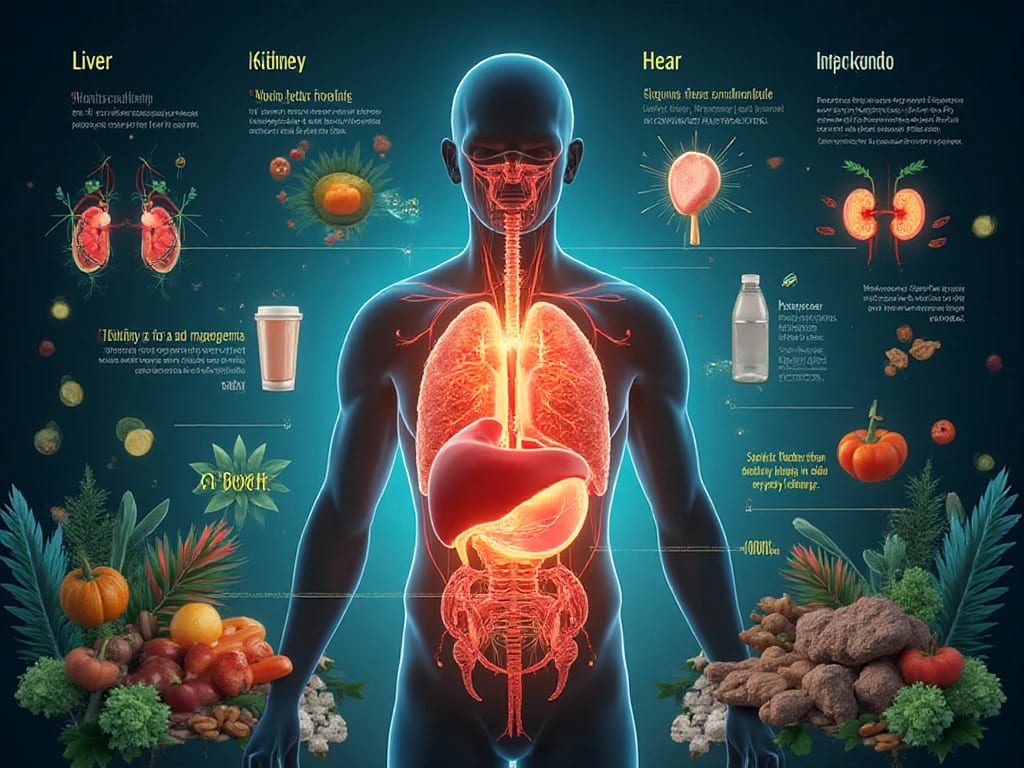
The concept of a detox cleanse is straightforward: by drinking juices, teas, or supplements and skipping solid foods, the body allegedly clears out toxins. But physicians point out that the human body already has highly effective systems for detoxification. The liver, kidneys, lungs, and skin are working 24/7 to eliminate toxic substances.
Your body doesn't need outside help to detox, report most cardiologists. "Instead of cleansing, what people end up doing is depriving their bodies of essential nutrients, which puts extra burden on the heart and other organs.".
Prolonged fasting or extreme liquid diets can similarly produce electrolyte disturbances, dizziness, hypotension, and in some cases, potentially fatal heart rhythm disturbances. The risks far outweigh the hyped benefits if these practices are repeatedly performed.
The Hidden Dangers of Biohacking
Biohacking is yet another fad gaining momentum. It includes practices such as extended intermittent fasting, cold plunges, excessive supplementation, or wearable monitors tracking every heartbeat. While some mild habits like time-restricted eating or mindfulness meditation are healthy, cardiologists warn that the problem starts when people push the body beyond its limits.
For example, over-fasting can raise cortisol levels, the stress hormone. Elevated cortisol suppresses the immune system, increases blood pressure, disrupts sleep, and causes extra work for the heart. Taking too much of supplements in a non-medical setting can overload the liver and kidneys to cause more harm than benefit.

The appeal of biohacking is the promise of dominion—people believe that they can outsmart biology with discipline and technology. Doctors caution, however, that our bodies are complex ecosystems and not machines that can be hacked without consequences.
Why Quick Fixes Don't Work
Some of the reasons detoxes and biohacks go viral online are because people want to see results immediately. Weight loss in three days, increased energy in a single night, or "resetting" the body in one week is appealing. But healthy, lasting changes don't result from a brief spasm of extreme action.
Research shows that the most effective way to maintain long-term cardiovascular health is through good, consistent habits: healthy diet, regular physical activity, healthy sleep, stress management, and avoiding smoking and excessive alcohol consumption. They don't make big headlines, but they work.
"Balance triumphs over extremes," say experts. "The healthiest people aren't those who cleanse once a month but who establish habits that last for decades.
No product or supplement can boast the same long-term history of good health and general well-being.
The Impact of Social Media on Health Myths
One other problem is that social media platforms amplify unsubstantiated or dangerous advice. Detox teas or supplements are sold by influencers who may have no medical expertise at all. Fasting or cleansing without any consideration for their health history is attempted by people due to viral challenges.
Cardiologists caution the public to be careful. Trends do not always equal safety. Before doing anything new to one's health routine, a consultation with a doctor or registered dietitian is far wiser than listening to a TikTok video or Instagram reel.
Alternative Things You Can Do
If you find yourself tempted by detoxes or biohacks, give these science-backed healthier alternatives a try:
1. Eat a fiber diet – Fruits, vegetables, whole grain bread, beans, and nuts naturally stimulate digestion and the body's detoxifying systems.
2. Stay hydrated – Water is among the best ways to allow kidneys and liver to function at their best.
3. Daily exercise – Regular daily activity like walking, cycling, or yoga stimulates circulation, heart function, and mood.
4. Sleep enough – Getting enough rest allows the body to heal itself, maintain hormone balance, and enhance immunity.
5. Managing stress – Meditation, mindfulness, or a nature walk will lower cortisol levels.
These simple habits may not be as exciting as a 7-day cleanse, but they're safer, more maintainable, and far more effective in the long run.
When Medical Guidance Is Needed
For people with underlying heart disease, diabetes, or chronic illness, experimenting with radical detoxes or biohacks can be especially risky. Cardiologists recommend tailored medical advice rather than so-called health fads that are a one-size-fits-all approach. Even so-called natural supplements can interfere with prescription medicines, leading to toxic side effects.
If you are considering a new health program, especially one that is food limiting, lengthens fasting time, or includes taking high amounts of supplements, always get your physician's approval first. Prevention is better than cure.
Final Takeaway
Detox cleansing and biohacking fads can be championed as new and sexy, but the truth is that they only rob the basics of good health of the limelight. Our bodies already have inbuilt detoxifying systems. What they need is not drastic actions but constant care through balanced nutrition, exercise, rest, and stress management.
Cardiologists are saying that well-being isn't about biohacking—it's about respecting biology. Trending quick fixes on the web are fun, but real well-being is a matter of patience, balance, and a focus on evidence-based routines.
About the Creator
Kiruthigaran Mohan
art writing...
Keep reading
More stories from Kiruthigaran Mohan and writers in Lifehack and other communities.
Weight-Loss Drugs: Promise, Pitfalls, and a New Chapter in Modern Medicine
For decades, weight loss has been among the most sought-after subjects in health and fitness worldwide. From crash diets to high-intensity workouts, people have tried dozens of ways to shed excess weight. Yet obesity rates continue to increase worldwide, causing heart disease, diabetes, and decreased life expectancy. In the past few years, though, a new option has emerged—weight-loss medicines. Medications like Ozempic and Wegovy are no longer clinical buzzwords but household terms that evoke hope and controversy.
By Kiruthigaran Mohan6 months ago in Lifehack
Building Influence in a Remote Team
In traditional office environments, influence often developed naturally through proximity. People who spoke confidently in meetings, participated in hallway discussions, or regularly interacted with leadership often gained recognition and influence simply because they were visible.
By Bahati Mulishiabout 15 hours ago in Lifehack
How to Hire a Quality Painting Team in Sydney Without the Job Dragging On
A repaint is meant to be a tidy upgrade: cleaner lines, brighter rooms, a place that feels looked-after again. Yet plenty of paint projects in Sydney turn into a slow-motion inconvenience—rooms half usable, dates sliding, and that lingering sense the finish isn’t quite right.
By Evelyn Heard3 days ago in Lifehack
The Politics of Playing Dress-Up
Well, to start off I'd like to say a happy world book day to all who celebrate. I know I haven't really posted anything on my socials about it but I'm not a jubilant kind of person. I lay low most of the time. Let's start off with a popular anecdote from the vaults...
By Annie Kapur6 days ago in Geeks




Comments
There are no comments for this story
Be the first to respond and start the conversation.